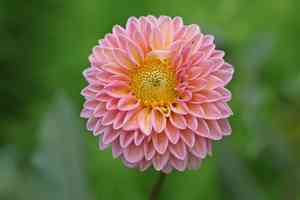
Leavenworth's Tickseed (Coreopsis leavenworthii)
Also known as: Leavenworth's Tickseed
Leavenworth's Tickseed (Coreopsis leavenworthii) is a native flowering plant found in Florida and Alabama. It typically grows in moist, sandy soils and ditches.
In This Article
Attributes of Leavenworth's Tickseed
Lifespan
Perennial, Annual
Plant Type
Herb
Plant Height
30 cm to 91 cm
Spread
30 cm to 90 cm
Leaf Color
Green
Flower Size
2.5 cm to 5 cm
Flower Color
Yellow Red Brown
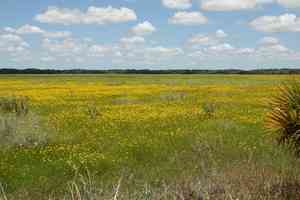
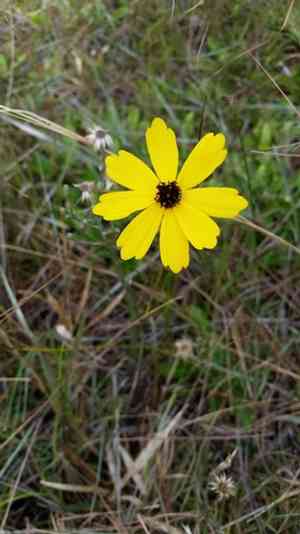
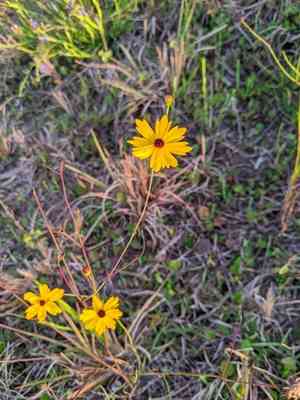
Images of Leavenworth's Tickseed
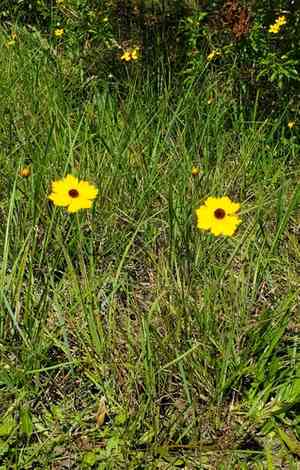
Quickly Identify Leavenworth's Tickseed
1
Coreopsis leavenworthii can be identified by its lance-shaped leaves, smooth stems, and bright yellow daisy-like flowers with a darker central disk. The plant typically grows in clumps and can reach heights of up to 2-3 feet.
Scientific Classification of Leavenworth's Tickseed
Phylum
Vascular plants
Class
Dicotyledons
Order
Asterales
Family
Daisy
Genus
Calliopsis
Species
Leavenworth's Tickseed
Planting and Growing of Leavenworth's Tickseed
Care Difficulty
Easy
Watering Schedule
Every 8 days
Sunlight Requirements
Full sun
Sunshine Duration
4-8 hours
Ideal Temperature
70-85℉
Soil Type
Potting Mix, Peat Mix
Soil pH
6.5-7.5
Fertilizer Type
Balanced
Pruning Season
Spring, Summer
Pruning Area
Branches, Leaves
Pruning Frequency
Once a year
Repotting Season
Spring
Pot Type
Plastic, Ceramic
 How to Water Leavenworth's Tickseed?
Coreopsis leavenworthii prefers well-drained soil that is kept moist but not soggy. A recommended watering amount is approximately 250ml per watering session. Ensure the soil is evenly moist to about 1 inch deep, avoiding excess water pooling at the bottom of the pot.
What are the symptoms of an underwatered Leavenworth's Tickseed?
›
What should I do if my Leavenworth's Tickseed is not getting enough water?
›
What are the symptoms of an overwatered Leavenworth's Tickseed?
›
How to save an overwatered Leavenworth's Tickseed?
›
 What Are the Sunlight Requirements for Leavenworth's Tickseed?
Coreopsis leavenworthii thrives in full sun or partial sun conditions. The ideal light promotes rich flowering and robust plant structure, making it a stunning addition to any sunny garden.
More About Sunlight Requirements Techniques→
Solution for Ideal Light
›
Specific Measures to Achieve Ideal Light
›
Effects of Ideal Light
›
 What Is the Ideal Temperature Range for Leavenworth's Tickseed?
Coreopsis leavenworthii thrives best in temperatures ranging from 70°F to 85°F. This range supports optimal growth, blooming, and overall plant health. Maintaining temperatures within this range ensures that the plant's metabolism functions efficiently, promoting vigorous flowering and robust foliage.
 What Soil is Best for Leavenworth's Tickseed?
Coreopsis leavenworthii thrives in well-drained soil, which prevents root rot by ensuring water does not accumulate. This improves oxygen availability in the root zone, promoting healthy growth and vibrant blooms. This plant prefers soil of moderate fertility. Excessive nutrients can lead to leggy growth, while a balanced fertility level supports the plant's robust structure and enhances its flowering potential. A neutral to slightly acidic soil pH of 6.5 to 7.5 is ideal, allowing for optimal nutrient absorption and enabling the plant to exhibit its full spectrum of vibrant colors.
 How to Fertilize Leavenworth's Tickseed?
Coreopsis leavenworthii benefits from a balanced approach to fertilization. A diluted liquid fertilizer with an N-P-K ratio of around 10-10-10 is ideal. Apply this sparingly; use about half the recommended amount on the fertilizer packaging to avoid overfeeding. For solid fertilizer, a light scattering of slow-release granules should cover the entire root zone of the plant, taking care not to apply too closely to the stem.
 How to Prune Leavenworth's Tickseed?
Remove faded or dead flowers by cutting just above the first set of leaves. This encourages the plant to focus energy on producing new blooms, resulting in a more prolific and longer flowering period. In late autumn, cut back the foliage to about 2 inches above the ground. This neatens the plant for winter and removes any diseased or damaged parts, reducing the chance of problems in the following growing season. Trim any overgrown or awkwardly shaped sections to maintain a pleasing form. This not only keeps the plant visually appealing but can also improve air circulation, reducing the risk of fungal infections.
More About Pruning Techniques→
 How to Propagate Leavenworth's Tickseed plant?
1
Gather ripe seeds from mature Coreopsis leavenworthii flowers in late summer. Ensure seeds are dry before storing them in an airtight container until planting season.
2
Sow collected seeds in a seed tray filled with well-draining soil. Lightly cover seeds with soil, and keep the tray in a warm, sunny spot or under grow lights if indoors.
3
Once seedlings have developed several true leaves, gently transplant them to their final location in well-prepared garden beds or pots, ensuring they are spaced adequately.
 How to Repot Leavenworth's Tickseed plant?
1
Coreopsis leavenworthii, or Leavenworth's Tickseed, shows signs that it's time to repot through roots emerging from the drainage holes or stunted growth. Ideally, aim for repotting in the early months of spring or summer, when the plant is primed for active growth. The gentle warmth and gradual increase in daylight during these seasons foster healthy adaptation after repotting.
2
Select a pot one size larger than the current one, ensuring it has adequate drainage holes. This allows for root expansion and prevents waterlogging, which can be detrimental. A breathable material, like terracotta, is beneficial as it aids in regulating soil moisture, preventing both the desiccation and over-watering that Coreopsis leavenworthii is particularly sensitive to.
3
Opt for a well-draining potting mix, rich in organic matter yet light enough to provide excellent aeration. This ensures that water flows freely, preventing root rot, while still retaining sufficient moisture for healthy plant development. Incorporating materials like sand or perlite can further enhance drainage, mirroring the plant's natural habitat.
Learn More About Leavenworth's Tickseed Diseases
Anthracnose
Bacterial Leaf Spot
Bacterial Wilt
Black Spot
Chemical Injury
Crown Gall
Cyst Nematode
Damping-off
Downy Mildew
Drought Stress
Fusarium Wilt
Gray Mold
Leaf Spot
Mosaic
Nutrient Deficiency
Nutrient Toxicity
Powdery Mildew
Root Rot
Root-knot Nematode
Rusts
Sooty Mold
Spider Mites
Temperature Stress
Thrips Damage
White Mold



