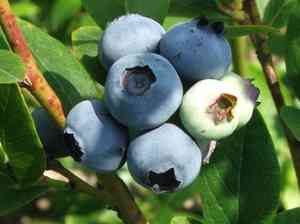
Corema (Corema) (Corema)
Also known as: Crowberry, Dwarf Crowberry
Corema is a genus within the Ericaceae family, comprising two species of dioecious small shrubs.
In This Article
Attributes of Corema (Corema)
Lifespan
Perennial
Plant Height
0.2 to 1 meter
Spread
Up to 1 meter
Leaf Color
Dark green
Flower Size
Less than 1 cm
Flower Color
White, pink
Images of Corema (Corema)
Quickly Identify Corema (Corema)
1
Corema can be identified by its small, needle-like leaves and clusters of tiny, bell-shaped flowers. The plants typically form dense, rounded shrubs.
Scientific Classification of Corema (Corema)
Phylum
Angiosperms
Class
Eudicots
Order
Ericales
Family
Ericaceae
Genus
Corema
Planting and Growing of Corema (Corema)
Care Difficulty
Moderate
Watering Schedule
Every 2 days
Sunlight Requirements
Full sun
Sunshine Duration
4-8 hours
Ideal Temperature
60-75℉
Soil Type
Potting Mix, Peat Mix
Soil pH
5-6
Fertilizer Type
Balanced
Pruning Season
Spring, Summer
Pruning Area
Branches, Leaves
Pruning Frequency
2 times a year
Repotting Season
Spring
Pot Type
Plastic, Ceramic
 How to Water Corema (Corema)?
For Corema, the watering amount is critical. Aim to thoroughly soak the soil up to 200 milliliters at each session, ensuring the roots receive ample moisture. The goal is to allow the soil to absorb water without becoming waterlogged, allowing for proper drainage.
What are the symptoms of an underwatered Corema (Corema)?
›
What should I do if my Corema (Corema) is not getting enough water?
›
What are the symptoms of an overwatered Corema (Corema)?
›
How to save an overwatered Corema (Corema)?
›
 What Are the Sunlight Requirements for Corema (Corema)?
Corema flourishes in full sun exposure, benefiting from extended, direct light for photosynthesis, promoting healthy growth, flowering, and resilience.
What is the best lighting condition for Corema?
›
How can you provide ideal lighting for Corema?
›
What benefits does Corema gain from ideal lighting?
›
 What Is the Ideal Temperature Range for Corema (Corema)?
The ideal temperature range for Corema plants is between 60°F and 75°F. This range ensures optimal growth by allowing the plant's metabolic processes to function efficiently. Within this range, the plant can photosynthesize effectively, maintain its water balance, and promote healthy root and foliage development, leading to vibrant blooms.
 What Soil is Best for Corema (Corema)?
Corema thrives in well-draining soil which prevents root rot and allows for proper aeration. This requirement ensures the roots receive enough oxygen and nutrients, fostering healthy growth and longevity of the plant. A soil rich in organic matter provides essential nutrients for Corema and maintains moisture levels. This condition supports the plant's vigor and resilience against environmental stresses. Corema prefers low to moderate soil fertility, as overly rich conditions can lead to excessive growth at the expense of flowering. Controlling fertility helps encourage the production of vibrant blooms.
 How to Fertilize Corema (Corema)?
Corema plants typically require light fertilization due to their efficient nutrient uptake in sandy, acidic soils. Employ a balanced, slow-release fertilizer, applying at the rate suggested on the package, typically around 10 grams per square meter. Over-application can lead to nutrient burn or impaired growth, hence follow prescribed guidelines carefully.
 How to Prune Corema (Corema)?
Begin by examining the Corema for any branches that appear dead or diseased. These should be your priority for removal as they can hinder overall plant health. Prune to maintain the natural shape of the Corema. Trim the outer branches lightly to encourage a rounded, bushy form, making cuts just above a leaf node to promote new growth. It is ideal to prune Corema in early Spring before new growth starts or in late Summer after the blooming period, allowing the plant to recover and flourish.
 How to Propagate Corema (Corema) plant?
1
Collect seeds from mature Corema plants in the autumn. Clean them thoroughly to remove any fruit pulp residues and store them in a cool, dry place until spring. This helps maintain their viability and increases the chances of germination.
2
Select healthy stems from the parent plant in spring. Cut them at an angle and remove the lower leaves. Dip the cut end in rooting hormone to encourage root formation before planting them in a well-draining propagation medium.
3
Division can be performed in autumn. Carefully dig up a mature plant and separate it into sections, ensuring each section has sufficient roots and stems. Replant the divisions in suitable locations with proper spacing to allow for growth.
 How to Repot Corema (Corema) plant?
1
Corema plants should be repotted when you notice their roots poking through the drainage holes of the current container, or when the potting mix becomes compacted or depleted of nutrients. Typically, this occurs every two to three years, making spring or summer an ideal time—when the plant is not actively flowering.
2
Choosing the right pot for Corema is essential for ensuring healthy growth. Opt for one that is just a couple of inches larger than the current pot to avoid excessive soil holding water and causing root rot. Additionally, ensure that the pot has excellent drainage to allow excess water to escape, mimicking the plant's natural sandy habitat.
3
Corema prefers a well-draining, sandy soil mix to prevent waterlogging, which can lead to root rot. A blend of sand, perlite, and peat moss provides a balance of drainage, air permeability, and moisture-retention, replicating its natural growing conditions and fostering vigorous root health.
Learn More About Corema (Corema) Diseases
Anthracnose
Bacterial Leaf Spot
Bacterial Wilt
Crown Gall
Cyst Nematode
Damping-off
Downy Mildew
Drought Stress
Fusarium Wilt
Gray Mold
Leaf Spot
Mosaic
Nutrient Deficiency
Nutrient Toxicity
Powdery Mildew
Root Rot
Root-knot Nematode
Rusts
Sooty Mold
Spider Mites
Temperature Stress
Thrips Damage
White Mold

