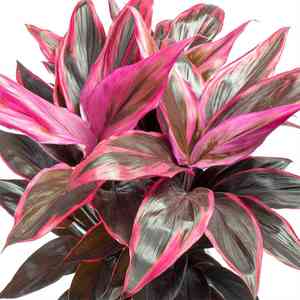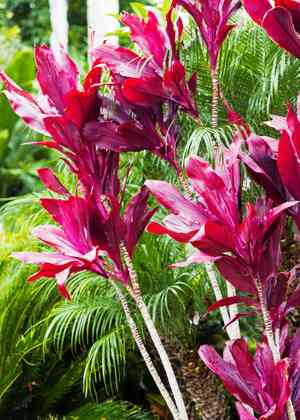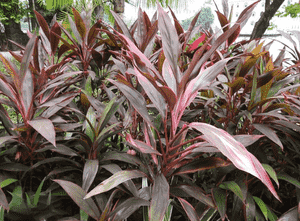
Ti plant(Cordyline fruticosa)

Ti plant (Cordyline fruticosa)

Also known as: Bongbush, Cabbage palm

The ti plant, a shrub with palm-like features, holds deep symbolic significance in many Austronesian cultures, often representing the link between the living and the spiritual realms. Ceremonially, it is used in various rituals and as offerings to honor deities and ancestors. Practically, the ti plant is utilized for making dyes and serves ornamental purposes, adding aesthetic value to gardens and landscapes.

Attributes of Ti plant

Lifespan
Perennial
Plant Type
Shrub
Plant Height
1 m to 5 m
Spread
90 cm to 2.5 m
Leaf Color
Green Red Purple
Flower Size
2.5 cm
Flower Color
White Pink Red

ForwardPlant - Identify plants with a snap

Identify and diagnose plants, get toxicity alerts, and explore safety guides for all types of fungi.

Try for Free

Images of Ti plant

Ti plant(Cordyline fruticosa)

Quickly Identify Ti plant

1
Leaves range from pale pink to deep red, grooved petioles, 20 inches (50 cm) long.
2
Terminal panicles with white flowers, 0.4 inches (1 cm) diameter, no scent.
3
Petite, spherical berries, 0.5 inches (1.3 cm) diameter, deep purple to black.
4
Simple, oblong-lanceolate leaves, 1-2 feet (30-60 cm) long, green tinged with purple.
5
Clustered, erect stem, smooth, 1-2 inches (2.5-5 cm) thick, branched or unbranched.

Scientific Classification of Ti plant

Phylum
Vascular plants
Class
Monocotyledons
Order
Asparagus and allies
Family
Asparagus
Genus
Cordylines
Species
Ti plant

Planting and Growing of Ti plant

Care Difficulty
Easy
Watering Schedule
Every 3 days
Sunlight Requirements
Partial sun
Sunshine Duration
4-8 hours
Ideal Temperature
65-75℉
Soil Type
Potting Mix, Peat Mix
Soil pH
6.5-7.5
Fertilizer Type
Balanced
Pruning Season
Spring, Summer
Pruning Area
Branches, Leaves
Pruning Frequency
2 times a year
Repotting Season
Spring
Pot Type
Plastic, Ceramic

water icon How to Water Ti plant?

Cordyline fruticosa thrives on a moderate watering regimen. Ensure you moisten the soil adequately with around 200 ml of water each time, aiming to keep the soil consistently moist but not overly saturated. Follow the golden rule of allowing the top inch of soil to dry out before the next watering, ensuring proper hydration without waterlogging.
What are the symptoms of an underwatered Ti plant?
What should I do if my Ti plant is not getting enough water?
What are the symptoms of an overwatered Ti plant?
How to save an overwatered Ti plant?
More About Watering Techniques

sunlight icon What Are the Sunlight Requirements for Ti plant?

Sunlight Requirements: Partial sun, Full shade
Duration of light: Two to six hours
Cordyline fruticosa benefits from partial sun exposure. This ideal light range ensures it captures enough rays for energy without the risk of leaf scorch, contributing to vivid foliar tones and robust health.
What is the best lighting setup for Cordyline fruticosa?
How to ensure Cordyline fruticosa receives proper light?
What are the benefits of ideal lighting for Cordyline fruticosa?
More About Sunlight Requirements Techniques

temperature icon What Is the Ideal Temperature Range for Ti plant?

Ideal Temperature: 65 ~ 75℉
The ideal temperature range for Cordyline fruticosa, lies between 65 and 75°F. This range mimics the tropical climate from which the plant originates. Such temperatures support robust growth by providing warmth without causing dehydration through excessive heat. As the plant does not tolerate cold well, maintaining this range is essential for its health and vitality.

soil icon What Soil is Best for Ti plant?

Soil type: Loam, Sandy loam
Soil PH: 6.5 ~ 7.5
Cordyline fruticosa thrives in well-draining soil as it helps prevent waterlogging, which can lead to root rot. The plant benefits from improved air circulation around the roots, fostering strong growth. Incorporating rich organic matter into the soil provides essential nutrients for Cordyline fruticosa, enhancing its vibrant foliage and overall health. This plant prefers consistently moist soil conditions without being waterlogged. Maintaining moderate moisture levels helps sustain its lush growth and prevents stress. More About Soil

fertilize icon How to Fertilize Ti plant?

Fertilizer type: Balanced
For Cordyline fruticosa, use a balanced liquid fertilizer with an NPK ratio of 10-10-10, diluted to half strength, approximately 5-10 ml per liter of water. For slow-release fertilizers, 50-100 grams per plant annually is adequate, depending on the plant's size and soil quality. More About Fertilizing Techniques

prune icon How to Prune Ti plant?

Pruning Time: Spring, Summer
Determine the amount of foliage you want to remove based on the plant's size and health. Pruning should be minimal, especially in younger plants, to allow them room to grow. When cutting, ensure that each snip is clean and at a diagonal angle. This promotes faster healing and reduces the chance of water sitting on the cut surface, which can lead to rot. Always dispose of pruned material, especially diseased leaves, away from other plants. Composting diseased materials can lead to the spread of pathogens within your garden. More About Pruning Techniques

propagate icon How to Propagate Ti plant plant?

Propagate Time: Spring, Early summer, Late spring
1
Choose a healthy stem from a mature Cordyline fruticosa plant. It should be around 4-6 inches long and free from any diseases or pests. Ensure that the selected stem has several leaf nodes.
2
Using sterilized pruning shears, cut the stem at a 45-degree angle. Remove the leaves from the lower half of the cutting to reduce water loss and increase the area for rooting.
3
Dip the cut end in rooting hormone powder and plant it in a pot filled with a well-draining potting mix. Water well and cover with a plastic bag to maintain humidity, which aids in successful rooting.
More About Propagating Techniques

repot icon How to Repot Ti plant plant?

Repotting frequency: Every 1-2 years
1
Cordyline fruticosa needs repotting when its roots start to emerge from the bottom of its container or when growth slows down considerably. These signs indicate that the plant has outgrown its pot, needing more space for healthy growth. Spring and summer are ideal since the plant is in a growing state, allowing it to adjust better to new conditions.
2
Select a pot that is one size larger than the current one, offering additional space for root expansion. Ensure the pot has adequate drainage holes to prevent waterlogging, which can lead to root rot. The right pot provides a stable environment that supports robust growth and reduces transplant shock.
3
Opt for a well-draining, rich soil mix to ensure the roots receive ample oxygen and nutrients. A blend with peat, perlite, and organic matter is excellent. Such soil promotes healthy root development and minimizes the risk of root diseases by preventing moisture accumulation.
More About Repotting Techniques

ForwardPlant - Identify plants with a snap

Find the best spots for them to optimize their health, simply using your phone.

Try for Free

Toxicity of Ti plant

Is Ti plant toxic to cat?

The ti plant (Cordyline fruticosa) is moderately toxic to cats; ingestion of any part of the plant can lead to symptoms such as vomiting and diarrhea, along with potential excessive drooling, decreased appetite, and signs of depression. Due to its unpleasant taste, cats typically do not eat enough of it to cause death. Nevertheless, it is recommended to seek veterinary assistance if a cat exhibits severe symptoms.

Is Ti plant toxic to dog?

The ti plant harbors compounds known as saponins, present in all parts of the plant, which can pose a moderate toxicity risk to dogs upon ingestion. Common signs of this toxicity include vomiting and diarrhea; should the plant be consumed in substantial amounts, it may require veterinary intervention.

Identify toxic plants for your safety

Learn which plants are harmful to you and your pets, and make informed choices for a safer home!

Try for Free
WARNING
The judgment on toxicity and danger is for reference only. We DO NOT GUARANTEE any accuracy of such judgment. Therefore, you SHALL NOT rely on such judgment. It is IMPORTANT TO SEEK PROFESSIONAL ADVICE in advance when necessary.
More About Toxic Techniques