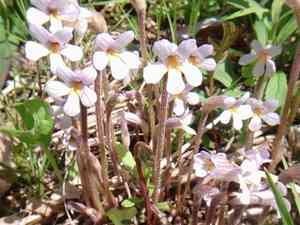
Bushy bird's beak (Cordylanthus ramosus)
Also known as: Branched bird's beak
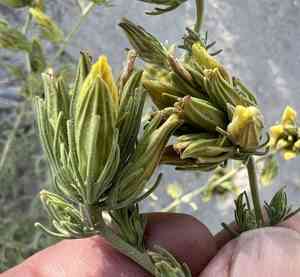
The bushy bird's beak is a perennial shrub that flourishes in arid landscapes, especially sandy soils. This plant is notable for its branching stems and slender, gray-green foliage. Its small tubular flowers, encased in prominent bracts, display shades of pink to purple. To endure the harsh conditions of low-nutrient environments, the bushy bird's beak has developed a symbiotic relationship with certain soil fungi, enhancing its nutrient uptake and overall survival.
In This Article
Attributes of Bushy bird's beak
Lifespan
Annual
Plant Type
Herb
Plant Height
10-50 cm
Spread
Not applicable
Leaf Color
Green
Flower Size
Approximately 1-2 cm
Flower Color
White or pale yellow with purple streaks
Images of Bushy bird's beak
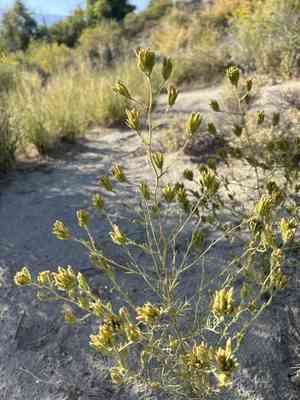
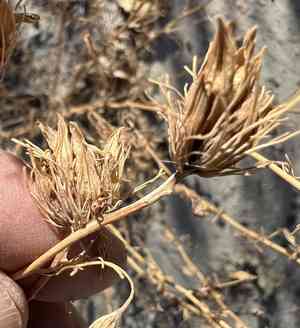
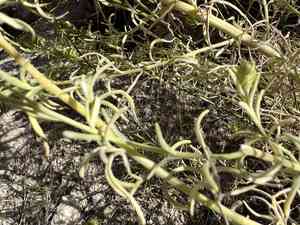
Quickly Identify Bushy bird's beak
1
Look for branched stems, often reddish, and narrow, linear leaves. The unique beak-like flowers can help in identification.
Scientific Classification of Bushy bird's beak
Phylum
Vascular plants
Class
Dicotyledons
Order
Lamiales
Family
Broomrape
Genus
Bird's-beak
Species
Bushy bird's beak
Planting and Growing of Bushy bird's beak
Care Difficulty
Hard
Watering Schedule
Every 2 days
Sunlight Requirements
Partial sun
Sunshine Duration
4-8 hours
Ideal Temperature
60-75℉
Soil Type
Potting Mix, Peat Mix
Soil pH
6.5-7.5
Fertilizer Type
Balanced
Pruning Season
Spring, Summer
Pruning Area
Branches, Leaves
Pruning Frequency
2 times a year
Repotting Season
Spring
Pot Type
Plastic, Ceramic
 How to Water Bushy bird's beak?
Cordylanthus ramosus requires water in moderation. The general rule is to water it until the soil is damp but not soggy, which generally means about 250 milliliters per session. This amount ensures that the soil is moist down to the root level without causing waterlogging.
What are the symptoms of an underwatered Bushy bird's beak?
›
What should I do if my Bushy bird's beak is not getting enough water?
›
What are the symptoms of an overwatered Bushy bird's beak?
›
How to save an overwatered Bushy bird's beak?
›
 What Are the Sunlight Requirements for Bushy bird's beak?
Cordylanthus ramosus thrives with partial to full sun exposure, reflecting its adaptability and resilience. Maintaining this range ensures vigorous growth and spectacular flowering.
What is the best spot for Cordylanthus ramosus?
›
How to achieve optimal lighting throughout the year?
›
What benefits does optimal sunlight provide?
›
 What Is the Ideal Temperature Range for Bushy bird's beak?
Cordylanthus ramosus thrives in temperatures ranging from 60°F to 75°F. This range allows for optimal photosynthesis and growth, ensuring the plant develops strong stems and vibrant foliage. It is crucial to maintain this temperature range consistently, as fluctuations can lead to stress and reduced growth rates.
 What Soil is Best for Bushy bird's beak?
Cordylanthus ramosus thrives in well-drained soil, which prevents root rot and ensures roots have good aeration. This condition mimics their natural desert or arid environments where excess water quickly drains away. This plant prefers soils that are not heavily fertilized, as it is adapted to nutrient-poor environments. Maintaining moderate nutrient levels allows for balanced growth without overwhelming the plant. Cordylanthus ramosus favors a soil pH range of 6.5 to 7.5, which provides optimal nutrient availability and ensures the plant's physiological processes function properly.
 How to Fertilize Bushy bird's beak?
For Cordylanthus ramosus, the fertilization should be balanced. Use a dilute liquid fertilizer at half the recommended strength every couple of weeks during the growing season. Make sure you don't overdo it, as this plant prefers modest feeding.
 How to Prune Bushy bird's beak?
Before you start pruning, inspect the plant thoroughly. Remove any old, dead, or diseased wood from the base to open up the plant. This not only facilitates air circulation but also reduces the risk of disease. Focus on shaping the plant. Trim back longer branches to encourage bushier growth. Aim to maintain a pleasing and organic shape that suits your garden layout. During your twice-a-year pruning sessions, it is vital to cut back the tips of the branches to stimulate new growth. Ensure that you do not remove more than a third of the plant at once.
More About Pruning Techniques→
 How to Propagate Bushy bird's beak plant?
1
Begin by filling seed trays with a well-draining soil mix. Make sure the mix is moist but not waterlogged to facilitate seed germination.
2
Scatter the seeds evenly across the surface of the soil. Lightly cover them with a thin layer of soil, and gently press down to ensure contact with the soil bed.
3
Water the seeds gently using a fine spray to avoid displacing them. Maintain consistent moisture and place the trays in a location with indirect sunlight.
 How to Repot Bushy bird's beak plant?
1
Cordylanthus ramosus should be repotted when you notice its roots are starting to circle the bottom of the pot or emerging from the drainage holes. This indicates that the plant has outgrown its current container. Additionally, if the plant appears stunted or the soil dries out too quickly, it's time to consider repotting. Spring and autumn are ideal seasons for this task as the plant is not in active bloom and can recover more swiftly.
2
Select a pot that is one size larger than the current one to give the roots more room to grow. Ensure the pot has ample drainage holes to prevent waterlogged soil, which could lead to root rot. A clay or terracotta pot can be beneficial as it allows for better air circulation around the roots, helping to prevent overwatering issues.
3
Opt for a well-draining sandy soil mix. This type of soil mimics the plant's natural habitat, providing excellent drainage while retaining necessary moisture. A mix designed for cacti or succulents can be a good choice, as it will provide the right balance to keep the roots healthy and prevent fungal diseases.
Learn More About Bushy bird's beak Diseases
Anthracnose
Bacterial Leaf Spot
Bacterial Wilt
Crown Gall
Cyst Nematode
Damping-off
Downy Mildew
Drought Stress
Fusarium Wilt
Gray Mold
Leaf Spot
Mosaic
Nutrient Deficiency
Nutrient Toxicity
Powdery Mildew
Root Rot
Root-knot Nematode
Rusts
Sooty Mold
Spider Mites
Temperature Stress
Thrips Damage
White Mold



