Corchorus (Corchorus) (Corchorus)
Also known as: Jute, Jew's mallow, Nalta jute
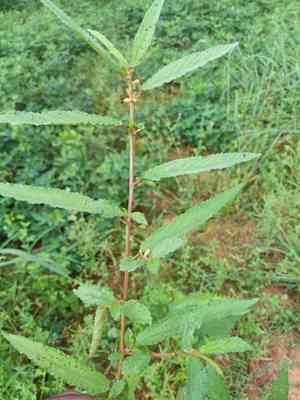
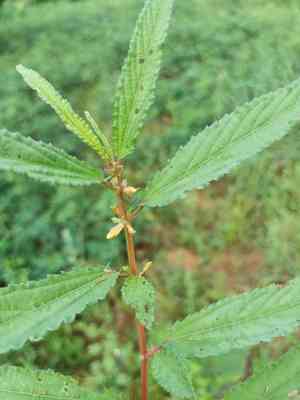
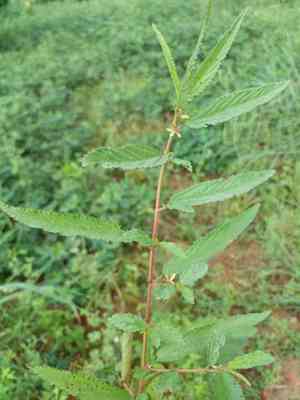
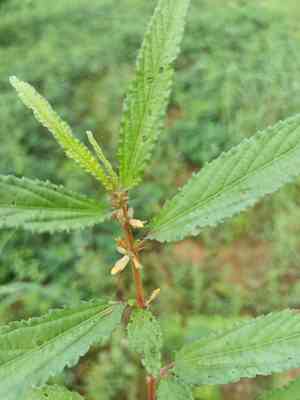
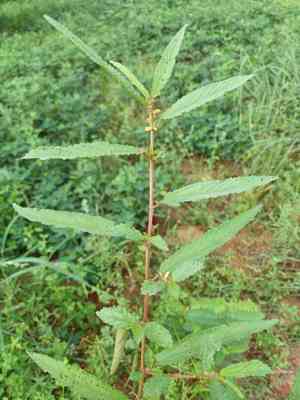
Corchorus comprises around 40–100 species of flowering plants found in tropical and subtropical areas globally. These annual herbs typically grow to heights between 2 to 4 meters and are either unbranched or have few branches. The leaves are alternate, simple, and lance-shaped with pointed tips and finely serrated or lobed edges. The small, yellow flowers feature five petals, and the fruit is a capsule containing many seeds.
In This Article
Attributes of Corchorus (Corchorus)
Lifespan
Annual
Plant Height
1.5 to 4 meters
Spread
1 to 2 meters
Leaf Color
Green
Flower Size
1 to 2 centimeters
Flower Color
Yellow
Images of Corchorus (Corchorus)
Quickly Identify Corchorus (Corchorus)
1
Corchorus plants can be identified by their oblong leaves with serrated edges, yellow flowers, and elongated seed pods. The leaves and stems are also known for their mucilaginous texture.
Scientific Classification of Corchorus (Corchorus)
Phylum
Tracheophyta
Class
Magnoliopsida
Order
Malvales
Family
Malvaceae
Genus
Corchorus
Planting and Growing of Corchorus (Corchorus)
Care Difficulty
Easy
Watering Schedule
Every 6 days
Sunlight Requirements
Full sun
Sunshine Duration
4-6 hours
Ideal Temperature
75-86℉
Soil Type
Potting Mix, Peat Mix
Soil pH
6.5-7.5
Fertilizer Type
Balanced
Pruning Season
Spring, Summer
Pruning Area
Branches, Leaves
Pruning Frequency
2 times a year
Repotting Season
Spring
Pot Type
Plastic, Ceramic
 How to Water Corchorus (Corchorus)?
Corchorus plants grow best when they receive approximately 300 milliliters of water per session. This amount ensures that the soil is consistently moist but not waterlogged. When watering, ensure water penetrates deeply to reach the root zone, as this supports robust growth and nutrient uptake.
What are the symptoms of an underwatered Corchorus (Corchorus)?
›
What should I do if my Corchorus (Corchorus) is not getting enough water?
›
What are the symptoms of an overwatered Corchorus (Corchorus)?
›
How to save an overwatered Corchorus (Corchorus)?
›
 What Are the Sunlight Requirements for Corchorus (Corchorus)?
Corchorus ideally thrives in full to partial sunlight conditions. This range supports robust growth, lush foliage, and enhances its overall resilience against environmental stresses.
How much sunlight does Corchorus need?
›
What solutions ensure Corchorus gets ideal light?
›
How does ideal light benefit Corchorus?
›
 What Is the Ideal Temperature Range for Corchorus (Corchorus)?
The ideal temperature range for growing Corchorus is between 75°F to 86°F. This warm temperature range facilitates optimal growth and development. Corchorus thrives in a warm climate where the temperatures remain consistent. High temperatures within this range promote active photosynthesis and metabolism, critical for the plant's health.
 What Soil is Best for Corchorus (Corchorus)?
For optimal growth, Corchorus thrives in nutrient-rich loam or sandy loam soils. This nutrient-rich environment supports robust growth and enhances leaf quality, essential for plants used in fiber production. Corchorus requires well-drained soil to prevent root rot. Proper drainage ensures that the roots receive adequate oxygen, promoting healthy root development crucial for optimal plant health. Consistent soil moisture is vital for Corchorus growth. While it prefers moist soil, it should not be waterlogged, ensuring balanced hydration and preventing stress-related issues.
 How to Fertilize Corchorus (Corchorus)?
For Corchorus plants, it is advisable to use a balanced fertilizer, applying 5 grams per square meter. This ensures an adequate supply of essential nutrients without overwhelming the plant.
 How to Prune Corchorus (Corchorus)?
First, look for any stems that appear brown, wilted, or damaged. These should be pruned back to promote new growth and maintain plant health. Focus on thinning out any congested areas of the plant to improve light penetration and air circulation. This helps prevent mildew and other fungal diseases. Make cuts at a 45-degree angle about a quarter inch above a bud or leaf node. This encourages water to run off the cut and helps prevent rot.
 How to Propagate Corchorus (Corchorus) plant?
1
Before planting Corchorus seeds, soak them in warm water for 24 hours to soften the hard seed coat. This process, called scarification, helps improve seed germination rates by allowing moisture to penetrate more effectively.
2
Sow the seeds evenly across the surface of the seed tray filled with the fine seed starting soil. Lightly cover them with a thin layer of soil, approximately 1/8 inch, and gently water them to settle the soil in place without disturbing the seeds.
3
To ensure successful germination, maintain the soil temperature between 68-77°F (20-25°C). Place the seed tray in a warm, well-lit area, but avoid direct sunlight, which can dry out the small seeds quickly.
 How to Repot Corchorus (Corchorus) plant?
1
Corchorus shows signs it's ready for repotting when roots protrude from the drainage holes, growth becomes stunted, or the soil dries out too quickly after watering. These indicate the plant has outgrown its current pot or the soil is no longer holding moisture properly. A lack of nutrients can also manifest as yellowing leaves, signaling it's time for a soil refresh.
2
Select a pot that is one size larger than the current one with drainage holes to prevent waterlogging. A pot that is too large can lead to excess moisture retention, while a pot that is too small will restrict growth. Material of the pot also matters; terra cotta offers good air permeability, helping the soil dry evenly.
3
Opt for a well-draining fertile soil to provide Corchorus with necessary nutrients. A mix containing loam, river sand, and compost in equal parts is ideal. This type of soil ensures good water retention while preventing root rot by allowing excess water to escape.
Learn More About Corchorus (Corchorus) Diseases
Anthracnose
Bacterial Leaf Spot
Bacterial Soft Rot
Bacterial Wilt
Chemical Injury
Cyst Nematode
Damping-off
Downy Mildew
Drought Stress
Fusarium Wilt
Gray Mold
Leaf Curl
Leaf Spot
Mosaic
Nutrient Deficiency
Nutrient Toxicity
Powdery Mildew
Root Rot
Root-knot Nematode
Rusts
Sooty Mold
Spider Mites
Temperature Stress
Thrips Damage
White Mold

