
Dwarf morning glory (Convolvulus tricolor)
Also known as: Dwarf glory bind, Tricolor convolvulus
Dwarf morning glory (Convolvulus tricolor), native to the Mediterranean, is well-suited for garden borders, window boxes, and hanging baskets due to its adaptability. It can withstand heat, drought, and less fertile soil, making it a resilient choice. The plant features striking cobalt blue blooms with white and yellow centers that, although short-lived, are continuously replaced by new flowers. These vibrant blossoms attract hummingbirds and butterflies, adding dynamic life to any garden space.
Attributes of Dwarf morning glory
Images of Dwarf morning glory


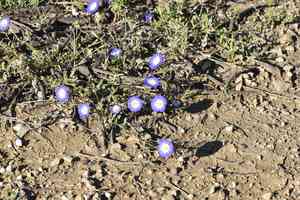
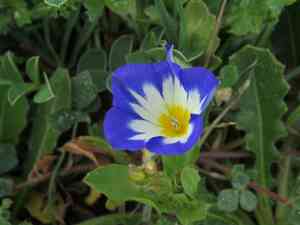
Quickly Identify Dwarf morning glory
Scientific Classification of Dwarf morning glory
Planting and Growing of Dwarf morning glory
 How to Water Dwarf morning glory?
 What Are the Sunlight Requirements for Dwarf morning glory?
 What Is the Ideal Temperature Range for Dwarf morning glory?
 What Soil is Best for Dwarf morning glory?
 How to Fertilize Dwarf morning glory?
 How to Prune Dwarf morning glory?
 How to Propagate Dwarf morning glory plant?
 How to Repot Dwarf morning glory plant?
Toxicity of Dwarf morning glory
Is Dwarf morning glory toxic to humans?
Dwarf morning glory exhibits a low level of toxicity to humans, with the entire plant being capable of inducing poisoning upon consumption. When consumed, individuals may experience various symptoms typical of mild poisoning. These symptoms can encompass gastrointestinal upset, including nausea, vomiting, and diarrhea, along with potential dizziness or headaches. Since all parts of dwarf morning glory contain toxins, it is prudent to exercise caution to avoid unintentional ingestion. The mild toxicity associated with dwarf morning glory indicates that while the symptoms might be uncomfortable, they are generally not life-threatening. It is crucial for individuals, particularly those with children or pets, to recognize the plant's toxic characteristics and refrain from consuming any of its parts.
Is Dwarf morning glory toxic to cat?
The dwarf morning glory exhibits a mild level of toxicity in cats. In the event that a cat accidentally consumes the plant, it may showcase signs of physical distress. Given that all components of the dwarf morning glory are toxic, it's crucial to keep these plants out of cats' reach. If a cat ingests any part of the dwarf morning glory, the pet owner should promptly take their animal to a veterinary clinic for necessary care.
Is Dwarf morning glory toxic to dog?
The dwarf morning glory plant species is recognized for having a mild toxicity level towards dogs. If any part of this plant is consumed by dogs, poisoning can occur, as the entire plant is toxic. Symptoms indicative of poisoning may arise if a dog ingests dwarf morning glory, which can include gastrointestinal disturbances, vomiting, diarrhea, or even more severe reactions depending on the quantity consumed and the dog's individual sensitivity. It is vital for dog owners to supervise their pets and prevent any accidental consumption of plants, particularly when dwarf morning glory is present in their surroundings. Should ingestion be suspected, seeking immediate veterinary care is crucial to ensure proper treatment and avoid further complications.



