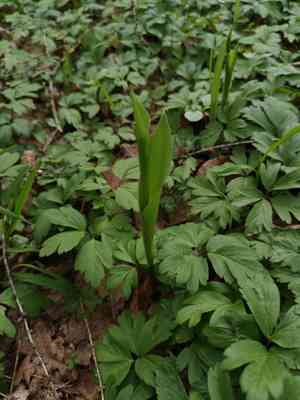
Lily of the valley (Convallaria) (Convallaria)
Also known as: Lily of the Valley, May Lily
Lily of the Valley is a plant known for its distinctive small, bell-shaped flowers and delightful fragrance, often mimicked in perfumes and air fresheners. Typically found in woodland environments, this plant is visually appealing but highly toxic to both humans and animals if ingested. Despite its toxicity, it is popular in gardens for its rapid spread via underground roots, making it an effective ground cover.
In This Article
Attributes of Lily of the valley (Convallaria)
Lifespan
Perennial
Plant Height
15-30 cm
Spread
Varies, generally compact
Leaf Color
Dark green
Flower Size
5-10 mm
Flower Color
White
Images of Lily of the valley (Convallaria)
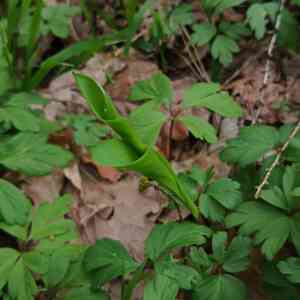
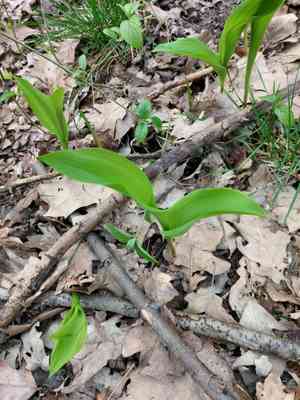
Quickly Identify Lily of the valley (Convallaria)
1
Identify Convallaria by its small, white, bell-shaped flowers that dangle in clusters, its broad, lance-shaped leaves, and its distinctive sweet fragrance.
Scientific Classification of Lily of the valley (Convallaria)
Phylum
Magnoliophyta
Class
Liliopsida
Order
Asparagales
Family
Asparagaceae
Genus
Convallaria
Planting and Growing of Lily of the valley (Convallaria)
Care Difficulty
Easy
Watering Schedule
Every 2 days
Sunlight Requirements
Partial sun
Sunshine Duration
6-10 hours
Ideal Temperature
60-75℉
Soil Type
Potting Mix, Peat Mix
Soil pH
6.5-7.5
Fertilizer Type
Balanced
Pruning Season
Spring, Summer
Pruning Area
Branches, Leaves
Pruning Frequency
2 times a year
Repotting Season
Spring
Pot Type
Plastic, Ceramic
 How to Water Lily of the valley (Convallaria)?
Convallaria prefers the soil to be consistently moist, but not waterlogged. Water thoroughly until the water begins to seep out of the drainage holes in the pot. Make sure not to let the plant sit in standing water as this could lead to root rot.
What are the symptoms of an underwatered Lily of the valley (Convallaria)?
›
What should I do if my Lily of the valley (Convallaria) is not getting enough water?
›
What are the symptoms of an overwatered Lily of the valley (Convallaria)?
›
How to save an overwatered Lily of the valley (Convallaria)?
›
 What Are the Sunlight Requirements for Lily of the valley (Convallaria)?
Convallaria thrives in partial sun to full shade, benefiting from moderate light that supports lush foliage and abundant flowering without risk of scorching.
What is the ideal light condition for Convallaria?
›
How can I ensure Convallaria gets ideal light?
›
What benefits does ideal lighting offer Convallaria?
›
 What Is the Ideal Temperature Range for Lily of the valley (Convallaria)?
Convallaria, commonly known as Lily of the Valley, thrives best in a mild climate. The ideal temperature range is between 60°F and 75°F. This range provides adequate warmth for optimal growth, encourages healthy leaf development, and promotes flowering. Maintaining this temperature range ensures the plant does not experience any unnecessary stress that could impede its growth.
 What Soil is Best for Lily of the valley (Convallaria)?
Convallaria, commonly known as Lily of the Valley, thrives in soil that retains moisture well but doesn't stay waterlogged. This balance ensures the roots receive adequate hydration, crucial for their lush foliage and fragrant blooms. Rich in organic matter, the soil should provide essential nutrients to support the plant's growth cycle. The presence of decomposed leaf litter or compost can significantly enhance the nutrient profile, promoting healthier and more vibrant foliage. While Convallaria enjoys moist conditions, good drainage is critical to prevent root rot. The inclusion of sandy loam in the soil mix helps facilitate proper drainage, ensuring excess water flows away from the root zone.
 How to Fertilize Lily of the valley (Convallaria)?
Convallaria, commonly known as Lily of the Valley, requires a balanced approach to fertilization. An ideal amount would be approximately one tablespoon of granular fertilizer or a half-strength liquid fertilizer per plant per feeding. Too much or too little can hinder its charming bloom.
 How to Prune Lily of the valley (Convallaria)?
When pruning Lily of the Valley, be cautious not to over-prune. These plants do not require heavy trimming; instead, focus on maintaining a neat appearance by removing the old and faded flowers after they cease blooming. Over-pruning can stress the plant and stunt its growth, leading to a decrease in the following year's blooms. Prune during early Spring or Autumn when the plant is not actively growing. This timing helps minimize stress and allows the plant to recover quickly. After pruning, give the plant some water and a balanced fertilizer to support its growth, and ensure that the soil remains moist but not waterlogged.
 How to Propagate Lily of the valley (Convallaria) plant?
1
Harvest seeds from mature berries in late summer or autumn. Clean and dry the seeds properly before storing or planting them to ensure good germination rates.
2
In spring or early autumn, carefully dig up the plant, separate the rhizomes ensuring each has some roots attached, and replant immediately in a prepared location.
3
Use a well-draining potting mix, ideally containing peat and sand, to provide the right balance of moisture retention and aeration for new seedlings or divisions.
 How to Repot Lily of the valley (Convallaria) plant?
1
Convallaria, also known as Lily of the Valley, requires repotting when the plant is root-bound or shows reduced growth vigor. Early spring is ideal, just as new shoots begin to emerge. This timing ensures that the plant has the best chance to establish itself in new soil before it begins its active growing phase.
2
Select a pot that is slightly larger than the current one, with adequate drainage holes. The new pot should allow enough room for the roots to expand without being too large, which might lead to excessive moisture retention, posing a risk of root rot.
3
Opt for well-draining, rich soil that can retain moisture without becoming waterlogged. A good mix ensures that Convallaria receives the necessary nutrients and drainage, promoting healthy growth and flowering.
Toxicity
Ingestion
WARNING
The judgment on toxicity and danger is for reference only. We DO NOT GUARANTEE any accuracy of such judgment. Therefore, you SHALL NOT rely on such judgment. It is IMPORTANT TO SEEK PROFESSIONAL ADVICE in advance when necessary.
Learn More About Lily of the valley (Convallaria) Diseases
Anthracnose
Bacterial Leaf Spot
Bacterial Soft Rot
Bacterial Wilt
Chemical Injury
Crown Gall
Cyst Nematode
Damping-off
Downy Mildew
Drought Stress
Fusarium Wilt
Gray Mold
Leaf Spot
Mosaic
Nutrient Deficiency
Nutrient Toxicity
Powdery Mildew
Root Rot
Root-knot Nematode
Rusts
Sooty Mold
Spider Mites
Temperature Stress
Thrips Damage
White Mold

