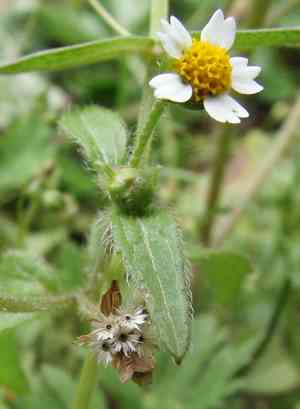
Nevin's woolly sunflower (Constancea nevinii)
Also known as: Nevius's everlasting, Catalina silverlace
Many Channel Islands endemic plants were at risk of extinction due to the grazing habits of feral goats. With the removal of these goats, the plants are now showing signs of recovery.
In This Article
Attributes of Nevin's woolly sunflower
Lifespan
Perennial
Plant Type
Shrub
Plant Height
0.5 to 1 meter
Spread
Up to 2 meters
Leaf Color
Silvery-grey
Flower Size
Approximately 0.5 cm
Flower Color
Yellow
Images of Nevin's woolly sunflower

Quickly Identify Nevin's woolly sunflower
1
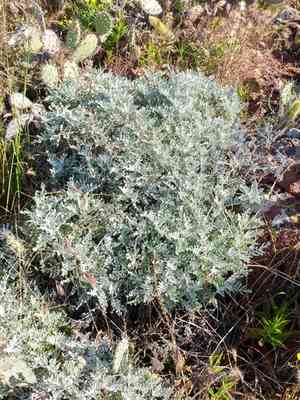
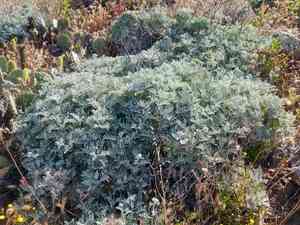
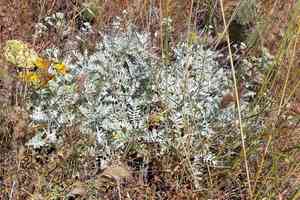
To identify Constancea nevinii, look for its silvery-grey foliage, small yellow flowers in clustered heads, and its shrubby, sprawling growth habit. It often forms dense mats.
Scientific Classification of Nevin's woolly sunflower
Phylum
Vascular plants
Class
Dicotyledons
Order
Asterales
Family
Daisy
Genus
Woolly sunflower
Species
Nevin's woolly sunflower
Planting and Growing of Nevin's woolly sunflower
Care Difficulty
Hard
Watering Schedule
Every 2 days
Sunlight Requirements
Full sun
Sunshine Duration
4-8 hours
Ideal Temperature
60-75℉
Soil Type
Potting Mix, Peat Mix
Soil pH
6.5-7.5
Fertilizer Type
Balanced
Pruning Season
Spring, Summer
Pruning Area
Branches, Leaves
Pruning Frequency
2 times a year
Repotting Season
Spring
Pot Type
Ceramic, Plastic
 How to Water Nevin's woolly sunflower?
For Constancea nevinii, it's crucial to provide just enough water to keep the soil slightly moist but never soggy. This plant thrives with a watering amount of around 250 ml at a time, ensuring the soil receives moisture evenly without pooling.
What are the symptoms of an underwatered Nevin's woolly sunflower?
›
What should I do if my Nevin's woolly sunflower is not getting enough water?
›
What are the symptoms of an overwatered Nevin's woolly sunflower?
›
How to save an overwatered Nevin's woolly sunflower?
›
 What Are the Sunlight Requirements for Nevin's woolly sunflower?
Partial sun to full sun ensures Constancea nevinii thrives. With adequate light, photosynthesis is optimized, improving blooming frequency and nutritional health.
How much sunlight does Constancea nevinii need?
›
What can be done to achieve this optimal balance?
›
What are the benefits of achieving ideal sunlight for Constancea nevinii?
›
 What Is the Ideal Temperature Range for Nevin's woolly sunflower?
The ideal temperature range for cultivating Constancea nevinii is between 60°F to 75°F. This range provides optimal conditions for photosynthesis and growth, ensuring the plant develops strong foliage and remains healthy. Maintaining this temperature range will also support proper nutrient absorption.
 What Soil is Best for Nevin's woolly sunflower?
Constancea nevinii thrives in well-drained soils that prevent root rot and waterlogging. Ensuring good drainage keeps the roots healthy and supports robust growth. This plant prefers soils with moderate nutrient levels. While not overly demanding, regular supplementation helps sustain its vitality and enhances its natural resilience. Soil aeration is crucial for Constancea nevinii because it allows roots to access oxygen easily. This promotes healthy root systems and optimizes nutrient uptake.
 How to Fertilize Nevin's woolly sunflower?
Constancea nevinii typically requires a balanced approach to fertilization. It's best to apply a diluted solution of liquid fertilizer, such as 1/4 strength of a standard 20-20-20 formula, ensuring not to overwhelm the plant with nutrients. For slow-release fertilizers, a small amount, approximately one tablespoon per square foot, ensures they receive a steady supply of nutrients throughout the season.
 How to Prune Nevin's woolly sunflower?
Carefully identify and trim back any dead or diseased leaves and stems. This helps in encouraging fresh growth and maintaining overall health. Gently trim back overgrown areas to achieve a balanced, aesthetically pleasing shape. This maintains the desired size while promoting fuller growth.
More About Pruning Techniques→
 How to Propagate Nevin's woolly sunflower plant?
1
Begin by selecting healthy and vigorous parent plants to source seeds or cuttings. Look for plants that show no signs of disease or pest infestations, as this maximizes the success rates of propagation.
2
Collect mature seeds from the plants, ensuring they are dry and free from pests. Soak the seeds overnight to soften the seed coat, which can enhance germination rates when planted in a suitable substrate.
3
Select a healthy stem and make a clean cut using sterilized pruning shears. Ensure the cutting is around 4-6 inches long with at least a couple of leaf nodes, and remove any extra leaves to reduce water loss.
 How to Repot Nevin's woolly sunflower plant?
1
Repot Constancea nevinii when you notice roots crowding around the drainage holes or when the plant starts looking top-heavy. Spring and summer are ideal times as the plant is actively growing and can adjust well to the change. Avoid repotting during winter dormancy.
2
Select a pot that is one size larger than the current one with adequate drainage holes. This ensures that the roots have enough room to grow and prevents water from pooling at the bottom, which could cause root rot. Terracotta pots are ideal as they are breathable and prevent moisture buildup.
3
Opt for a well-draining cactus mix that mimics Constancea nevinii's native environment. This type of soil prevents excess water retention, which can lead to root rot. Adding perlite or sand can improve aeration and drainage, promoting healthier root development.
Learn More About Nevin's woolly sunflower Diseases
Anthracnose
Bacterial Leaf Spot
Bacterial Soft Rot
Bacterial Wilt
Black Spot
Chemical Injury
Crown Gall
Cyst Nematode
Damping-off
Downy Mildew
Drought Stress
Fusarium Wilt
Gray Mold
Leaf Curl
Leaf Spot
Mosaic
Nutrient Deficiency
Nutrient Toxicity
Powdery Mildew
Root Rot
Root-knot Nematode
Rusts
Sooty Mold
Spider Mites
Temperature Stress
Thrips Damage
White Mold



