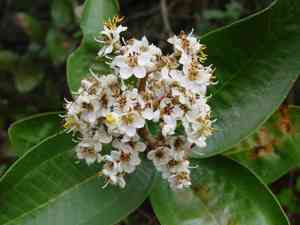
Conostegia (Conostegia) (Conostegia)
Also known as: Conostegia
Conostegia is a genus of flowering plants in the Melastomataceae family. These plants are typically found in tropical and subtropical regions and are known for their vibrant flowers and ornamental leaves.
In This Article
Attributes of Conostegia (Conostegia)
Lifespan
Perennial
Plant Height
1 to 5 meters
Spread
1 to 3 meters
Leaf Color
Green
Flower Size
5 to 10 cm
Flower Color
Purple, Pink
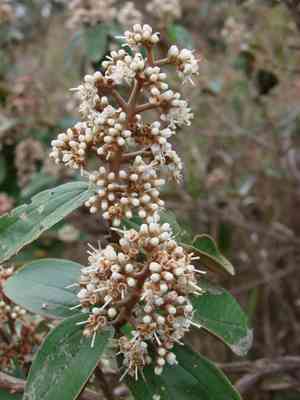
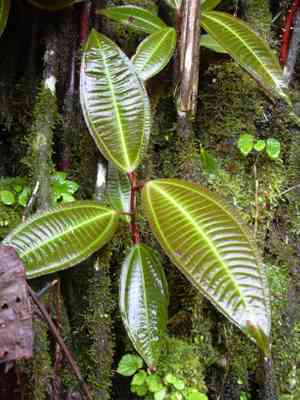
Images of Conostegia (Conostegia)
Quickly Identify Conostegia (Conostegia)
1
To identify Conostegia, look for its slightly toothed leaves and distinctive purple or pink flowers. The flowers generally have five petals and numerous stamens, and the leaves are arranged oppositely on the stem.
Scientific Classification of Conostegia (Conostegia)
Phylum
Angiosperms
Class
Magnoliopsida
Order
Myrtales
Family
Melastomataceae
Genus
Conostegia
Planting and Growing of Conostegia (Conostegia)
Care Difficulty
Moderate
Watering Schedule
Every 2 days
Sunlight Requirements
Partial sun
Sunshine Duration
4-6 hours
Ideal Temperature
68-77℉
Soil Type
Potting Mix, Peat Mix
Soil pH
5.5-7
Fertilizer Type
Balanced
Pruning Season
Spring, Summer
Pruning Area
Branches, Leaves
Pruning Frequency
2 times a year
Repotting Season
Spring
Pot Type
Plastic, Ceramic
 How to Water Conostegia (Conostegia)?
For Conostegia, the watering amount should mimic the natural conditions of its native habitat. This plant prefers to be watered deeply but infrequently, allowing the soil to dry out slightly between waterings. In practice, you should provide about 500 ml of water each session, ensuring that the water reaches the roots without leaving the soil waterlogged. Feel the top inch of the soil; if it is dry, it's time to water.
What are the symptoms of an underwatered Conostegia (Conostegia)?
›
What should I do if my Conostegia (Conostegia) is not getting enough water?
›
What are the symptoms of an overwatered Conostegia (Conostegia)?
›
How to save an overwatered Conostegia (Conostegia)?
›
 What Are the Sunlight Requirements for Conostegia (Conostegia)?
Partial sun to full sun suits Conostegia best, offering a balance of light that bolsters its growth, flowering capabilities, and resilience to environmental stressors.
What light intensity does Conostegia require?
›
How can I achieve ideal lighting conditions?
›
What are the benefits of adequate sunlight for Conostegia?
›
 What Is the Ideal Temperature Range for Conostegia (Conostegia)?
The ideal temperature range for growing Conostegia is between 68°F and 77°F. At these temperatures, the plant can thrive, maintaining optimal growth and vitality. These conditions mimic the natural environment found in its native habitat, providing adequate warmth and humidity.
 What Soil is Best for Conostegia (Conostegia)?
Conostegia plants thrive in soil that offers excellent drainage. This helps prevent root rot and other water-related diseases, thus ensuring healthy growth and vibrant foliage. While Conostegia does not demand rich soil, a moderately fertile substrate supports its growth. This provides essential nutrients that aid in flower and foliage development without overwhelming the plant. These plants benefit from consistently moist soil. Keeping the soil evenly hydrated supports the plant's vigorous growth and helps sustain its flowering throughout the season.
 How to Fertilize Conostegia (Conostegia)?
When fertilizing Conostegia, use a balanced fertilizer at a rate of 1 teaspoon per gallon of water for liquid fertilizers. For slow-release fertilizers, around 1 tablespoon per plant annually should suffice.
 How to Prune Conostegia (Conostegia)?
Start by removing any dead or damaged branches, cutting them close to their base. Look for stems that cross or rub against each other, choosing the weaker one for removal to prevent future damage. Trim the outermost branches to maintain the desired shape. Cut at a slight angle just above a leaf node to encourage outward, bushy growth. This will keep the plant compact and visually appealing. Regularly check for and remove any suckers, which are unwanted growths emerging from the base or roots. Suckers can drain energy from the main plant, affecting its overall health and vitality.
 How to Propagate Conostegia (Conostegia) plant?
1
Use a well-draining potting mix enriched with organic matter. Ensure it is properly moistened before planting seeds or cuttings to provide an ideal growth environment.
2
Sow Conostegia seeds evenly in seedling trays. Cover them lightly with soil mix. Water gently and keep the trays in a warm spot with indirect sunlight.
3
Select healthy stems for cuttings, about 4-6 inches long. Make a clean cut below a node, remove lower leaves, and dip the cut end in rooting hormone before planting.
 How to Repot Conostegia (Conostegia) plant?
1
Repotting Conostegia is best when you notice roots emerging from the drainage holes of its current container or when the plant's growth becomes noticeably sluggish. Another clear indicator is when the soil becomes compacted and doesn't retain water well. Spring and summer are ideal because the plant is actively growing, allowing it to recover faster from the transplant shock.
2
Choose a pot that is one size larger than the current one, with sufficient drainage holes to ensure no water stagnation. A slightly larger pot provides enough space for the new soil and allows room for the roots to spread without becoming cramped. Opting for a terracotta pot can also help wick away excess moisture, promoting healthier root systems.
3
Select a well-draining acidic mix to accommodate Conostegia’s preference. This type of soil prevents root rot by ensuring excess moisture is drained thoroughly. You can enhance the mix by adding some perlite or orchid bark to increase aeration, which is crucial for root health and development.
Learn More About Conostegia (Conostegia) Diseases
Anthracnose
Bacterial Leaf Spot
Bacterial Soft Rot
Bacterial Wilt
Black Spot
Chemical Injury
Crown Gall
Damping-off
Downy Mildew
Drought Stress
Fusarium Wilt
Gray Mold
Leaf Curl
Leaf Spot
Mosaic
Nutrient Deficiency
Nutrient Toxicity
Powdery Mildew
Root Rot
Root-knot Nematode
Rusts
Sooty Mold
Spider Mites
Temperature Stress
Thrips Damage
White Mold

