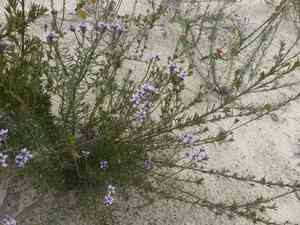
Slender smoke-bush (Conospermum patens)
Also known as: Blue Coneflower
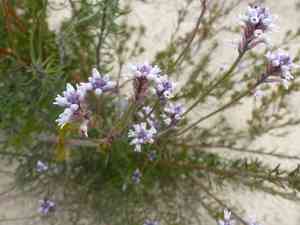
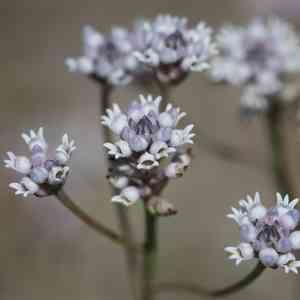
Slender smoke-bush is a striking Australian native, boasting a bushy habit with long, narrow leaves that convey a sense of elegant toughness adapted to its harsh habitat. Its most remarkable feature is its clustered, star-shaped flowers, usually blue-grey to white, which not only dazzle the eye but also offer sustenance to local pollinators. Resilient and adaptive, slender smoke-bush thrives in sandy soils, exemplifying the beauty and tenacity of the flora within its ecosystem.
In This Article
Attributes of Slender smoke-bush
Lifespan
Perennial
Plant Type
Shrub
Plant Height
Up to 1 meter
Spread
Approximately 1 meter
Leaf Color
Green
Flower Size
2-4 cm
Flower Color
Blue
Images of Slender smoke-bush
Quickly Identify Slender smoke-bush
1
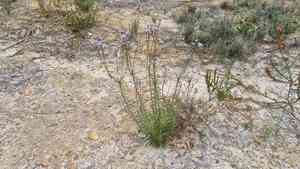
Conospermum patens can be identified by its small, slender shrub structure, needle-like leaves, and distinctive blue flowers formed into cone-shaped clusters.
Scientific Classification of Slender smoke-bush
Phylum
Vascular plants
Class
Dicotyledons
Order
Proteales
Family
Protea
Genus
Smokebushes
Species
Slender smoke-bush
Planting and Growing of Slender smoke-bush
Care Difficulty
Hard
Watering Schedule
Every 2 days
Sunlight Requirements
Full sun
Sunshine Duration
6-10 hours
Ideal Temperature
60-75℉
Soil Type
Potting Mix, Peat Mix
Soil pH
5.5-7.5
Fertilizer Type
Balanced
Pruning Season
Spring, Summer
Pruning Area
Branches, Leaves
Pruning Frequency
2 times a year
Repotting Season
Spring
Pot Type
Plastic, Ceramic
 How to Water Slender smoke-bush?
Conospermum patens appreciates a thorough soaking, making sure that the water reaches its deep roots. This plant doesn't need daily attention; aim for around 500 ml. Let the surface soil dry out completely before reaching for the watering can again.
What are the symptoms of an underwatered Slender smoke-bush?
›
What should I do if my Slender smoke-bush is not getting enough water?
›
What are the symptoms of an overwatered Slender smoke-bush?
›
How to save an overwatered Slender smoke-bush?
›
 What Are the Sunlight Requirements for Slender smoke-bush?
Conospermum patens prospers under full sunlight, where full exposure throughout the day encourages robust growth. Such conditions enhance photosynthetic efficiency and plant health, yielding vibrant and plentiful blooms.
What amount of sunlight is ideal for Conospermum patens?
›
Why is full sun crucial for Conospermum patens?
›
How can I ensure Conospermum patens gets sufficient light?
›
 What Is the Ideal Temperature Range for Slender smoke-bush?
The ideal temperature range for Conospermum patens is between 60°F and 75°F. Maintaining temperatures within this range ensures optimal growth and health of the plant by mimicking its natural habitat.
 What Soil is Best for Slender smoke-bush?
Conospermum patens thrives in well-drained soil. This feature ensures that the roots do not sit in water, which could lead to rot. Well-drained soil provides enough aeration and space for roots to grow healthily. Soils that are moderate in fertility are ideal for Conospermum patens. Excess nutrients may lead to overgrowth and fewer flowers. An ideal soil offers nutrients in balance, supporting steady growth and abundant blooms. The soil should retain enough moisture to support the plant's needs without leading to waterlogging. This balance allows Conospermum patens to intake necessary water and nutrients, ensuring vital growth phases are supported.
 How to Fertilize Slender smoke-bush?
Conospermum patens benefits from a balanced approach in fertilization. Use a well-balanced, low-phosphorus fertilizer to avoid nutrient burn. Apply liquid fertilizer at half the recommended dose, about 1-2 teaspoons per gallon of water.
 How to Prune Slender smoke-bush?
Start by evaluating the overall shape of the Conospermum patens. Trim back any overly long branches that disrupt the plant's natural form. Use clean, sharp shears for precise cuts, ensuring the plant maintains a balanced appearance and enhances its flowering potential. Carefully inspect the shrub for any branches or stems that appear dead or are affected by disease. Prune these sections back to healthy wood. This step is crucial to prevent the spread of disease and to encourage the shrub’s vitality and new growth. To boost flowering, focus on cutting back the branches after they have finished blooming. This practice will direct the plant's energy towards producing new buds and flowers in the upcoming season, resulting in a denser and more vibrant display.
More About Pruning Techniques→
 How to Propagate Slender smoke-bush plant?
1
For seed propagation, fill seed trays or pots with a well-draining soil mix. A mix of sand and peat can be ideal, ensuring good aeration and drainage. Moisten the soil slightly before sowing the seeds, as this helps to promote better contact and germination.
2
Place the seeds on the surface of the prepared soil, spacing them evenly. Lightly press them down to ensure contact with the soil, but do not cover them completely as they require some light to germinate. Place a clear cover over the trays to maintain humidity.
3
For cutting propagation, select healthy, non-flowering shoots from the parent plant. Use sterilized pruning shears to cut 10-15 cm long segments just below a leaf node. Strip lower leaves and dip the end in rooting hormone to encourage root development.
 How to Repot Slender smoke-bush plant?
1
Observe your Conospermum patens for growth signals indicating the need for repotting, such as roots protruding from drainage holes or slowing growth despite proper care. These are clear indications that it's time to provide more space for the roots to thrive.
2
Select a pot that is about one size larger than the current one, with ample drainage holes. A well-chosen pot allows for adequate root expansion and prevents waterlogging, which can deter root rot and promote healthy growth.
3
Opt for a well-draining sandy mix for your Conospermum patens. This type of soil allows efficient water drainage, reducing the risk of root rot and ensuring the plant receives necessary nutrients without being waterlogged.
Learn More About Slender smoke-bush Diseases
Anthracnose
Bacterial Leaf Spot
Black Spot
Chemical Injury
Crown Gall
Damping-off
Downy Mildew
Drought Stress
Fusarium Wilt
Gray Mold
Leaf Curl
Leaf Spot
Mosaic
Nutrient Deficiency
Nutrient Toxicity
Powdery Mildew
Root Rot
Root-knot Nematode
Rusts
Sooty Mold
Spider Mites
Temperature Stress
Thrips Damage
White Mold



