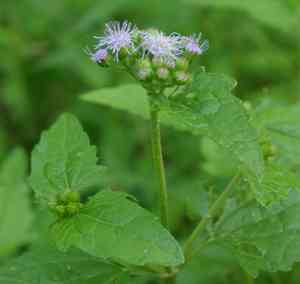
Blue mistflower (Conoclinium coelestinum)
Also known as: Blue boneset
Blue mistflower (Conoclinium coelestinum) is indigenous to North America, specifically ranging from Ontario down to Texas. While it was initially categorized under the genus Eupatorium, it was reclassified to Conoclinium in the latter part of the 20th century.
In This Article
Attributes of Blue mistflower
Lifespan
Perennial
Plant Type
Herb
Plant Height
91 cm
Spread
45 cm to 90 cm
Leaf Color
Green
Flower Size
1.3 cm
Flower Color
Purple Blue Pink
Images of Blue mistflower
Quickly Identify Blue mistflower
1
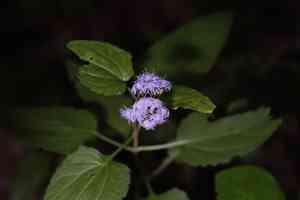
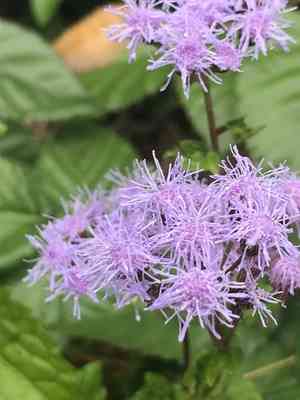
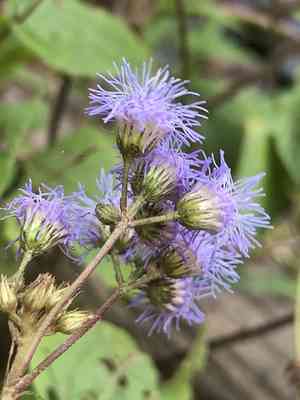
Clusters of tubular bluish-purple flowers with no ray florets.
2
Ovate-deltoid leaves with coarsely-toothed edges and bluntly pointed tips.
3
Downy, purplish stem with soft, velvety texture and sporadic branching.
4
Flat-topped clusters of small, fluffy blue-purple blooms with subtle fragrance.
5
Small, oblong achenes in dull brownish-grey color, often with pappus for dispersion.
Scientific Classification of Blue mistflower
Phylum
Vascular plants
Class
Dicotyledons
Order
Asterales
Family
Daisy
Genus
Mistflowers
Species
Blue mistflower
Planting and Growing of Blue mistflower
Care Difficulty
Easy
Watering Schedule
Every 4 days
Sunlight Requirements
Full sun
Sunshine Duration
6-10 hours
Ideal Temperature
60-75℉
Soil Type
Potting Mix, Peat Mix
Soil pH
6.5-7.5
Fertilizer Type
Balanced
Pruning Season
Spring, Summer
Pruning Area
Branches, Leaves
Pruning Frequency
2 times a year
Repotting Season
Spring
Pot Type
Plastic, Ceramic
 How to Water Blue mistflower?
For Conoclinium coelestinum, or Blue Mistflower, water until the soil is evenly moist but not waterlogged. Make sure the water penetrates at least 6 inches deep to reach the root zone. This ensures the plant absorbs adequate moisture without sitting in water, which could lead to root rot.
What are the symptoms of an underwatered Blue mistflower?
›
What should I do if my Blue mistflower is not getting enough water?
›
What are the symptoms of an overwatered Blue mistflower?
›
How to save an overwatered Blue mistflower?
›
 What Are the Sunlight Requirements for Blue mistflower?
The plant prefers full sun to partial sun exposure, thriving well under conditions offering four to eight hours of sunlight. This ensures strong growth, vibrant blooms, and resilience against environmental stressors.
More About Sunlight Requirements Techniques→
What amount of sunlight is best for Conoclinium coelestinum?
›
How can you ensure Conoclinium coelestinum receives optimal sunlight?
›
What benefits does Conoclinium coelestinum gain from optimal sunlight?
›
 What Is the Ideal Temperature Range for Blue mistflower?
For healthy growth, Conoclinium coelestinum thrives best in temperatures ranging from 60°F to 75°F. This range allows for optimal photosynthesis and metabolic processes, ensuring vigorous growth and flowering. Outside this range, growth may slow down, and plants can become more susceptible to pests and diseases.
 What Soil is Best for Blue mistflower?
Conoclinium coelestinum thrives in soils that retain moisture effectively. Loamy and sandy loam soils provide the right environment to prevent rapid drying, ensuring the plant receives consistent hydration. This is vital for its lush growth and vibrant blooms. Although this plant enjoys moisture, it's critical that the soil also drains well to prevent waterlogging and root rot. A balance in moisture retention and drainage facilitates healthy root development, promoting robust plant health. Rich soils with good organic content support the plant’s growth by providing essential nutrients. Amending the soil with compost boosts its fertility, resulting in more vigorous plant development and increased resilience against pests and diseases.
More About Soil→
 How to Fertilize Blue mistflower?
Conoclinium coelestinum requires a balanced amount of nutrients to thrive. Generally, use a diluted liquid fertilizer at half the recommended strength. For slow-release fertilizers, apply about 1 pound per 100 square feet of growing area. This ensures the plant receives adequate nutrition without the risk of over-fertilization.
More About Fertilizing Techniques→
 How to Prune Blue mistflower?
Start pruning Conoclinium coelestinum early in the spring as new growth begins. Trim back any dead or damaged stems to promote the healthy development of new shoots. Focus on thinning out crowded areas to improve air circulation and sunlight penetration. During the summer, prune the tips of new growth to encourage branching, which will result in a bushier plant. This will help sustain flower production throughout the season, as well as manage its spread as it tends to grow rapidly. In autumn, cut back the plant significantly to prepare it for winter dormancy. Remove all dead or dying foliage, and reduce the plant's size by a third to help it survive the winter months effectively. This pruning helps automate the redistribution of nutrients.
More About Pruning Techniques→
 How to Propagate Blue mistflower plant?
1
Begin by collecting mature seeds from healthy Conoclinium coelestinum plants. Clean the seeds thoroughly to remove any pulp or debris, which can inhibit germination. Once cleaned, allow the seeds to dry for a day or two in a cool, dry place.
2
Select a healthy, non-flowering stem from the parent plant. Using sterilized pruning shears, cut a section approximately 4-6 inches long just below a node. Remove the leaves from the lower half of the cutting to reduce moisture loss during root development.
3
Division is best done in early spring. Carefully dig out the plant, taking care not to damage the roots. Use a sharp, clean knife or spade to divide the root ball into separate sections, each with its own set of roots and shoots.
 How to Repot Blue mistflower plant?
1
Conoclinium coelestinum should be repotted when roots start crowding the pot and coming out of drainage holes or when the plant appears top-heavy and seems to outgrow its current container. Early spring or autumn, when the plant is not actively blooming, is the optimal time to perform this task.
2
Select a pot that is one size larger and has good drainage. Terracotta pots are ideal as they allow excess moisture to evaporate, preventing waterlogging. A well-draining pot reduces the risk of root rot and ensures healthy plant growth.
3
Use a well-draining potting mix that retains some moisture but prevents sogginess. A mix specially formulated for perennials or general houseplants works well. This ensures that the roots have access to adequate air circulation, preventing diseases caused by overwatering.
Learn More About Blue mistflower Diseases
Anthracnose
Bacterial Leaf Spot
Bacterial Soft Rot
Bacterial Wilt
Black Spot
Chemical Injury
Crown Gall
Cyst Nematode
Damping-off
Downy Mildew
Drought Stress
Fusarium Wilt
Gray Mold
Leaf Spot
Mosaic
Nutrient Deficiency
Nutrient Toxicity
Powdery Mildew
Root Rot
Root-knot Nematode
Rusts
Sooty Mold
Spider Mites
Temperature Stress
Thrips Damage
White Mold



