Connarus (Connarus) (Connarus)
Also known as: Connarus,Cat's claw, Peacock flower
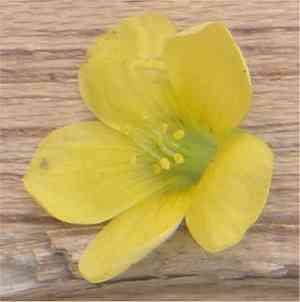
Connarus species are generally tropical woody climbers, though they can sometimes be found as shrubs or small trees. Their flowers are typically fragrant and bisexual. The fruits resemble pods and are often brightly colored, aiding in seed dispersal. These plants are widely distributed across tropical regions, including Borneo. As of spring 2014, The Plant List acknowledges 110 accepted species and infraspecific names within the Connarus genus.
In This Article
Attributes of Connarus (Connarus)
Lifespan
Perennial
Plant Height
4-10 meters
Spread
2-4 meters
Leaf Color
Green
Flower Size
1-3 centimeters
Flower Color
Yellow, red, sometimes white
Images of Connarus (Connarus)
Quickly Identify Connarus (Connarus)
1
Connarus plants can be identified by their compound leaves, small petioles, and usually vibrant flowers. The flowers often have five petals and are symmetrical. Fruits are typically multi-seeded capsules or berries.
Scientific Classification of Connarus (Connarus)
Phylum
Magnoliophyta
Class
Magnoliopsida
Order
Oxalidales
Family
Connaraceae
Genus
Connarus
Planting and Growing of Connarus (Connarus)
Care Difficulty
Hard
Watering Schedule
Every 3 days
Sunlight Requirements
Partial sun
Sunshine Duration
4-8 hours
Ideal Temperature
68-77℉
Soil Type
Potting Mix, Peat Mix
Soil pH
6.5-7.5
Fertilizer Type
Balanced
Pruning Season
Spring, Summer
Pruning Area
Branches, Leaves
Pruning Frequency
2 times a year
Repotting Season
Spring
Pot Type
Plastic, Ceramic
 How to Water Connarus (Connarus)?
When it comes to watering Connarus, it is important to ensure the soil remains moist but not soggy. Each watering session should provide approximately 200 ml of water per plant, aiming to wet the soil thoroughly but allowing excess to drain out. This prevents root rot and maintains ideal hydration.
What are the symptoms of an underwatered Connarus (Connarus)?
›
What should I do if my Connarus (Connarus) is not getting enough water?
›
What are the symptoms of an overwatered Connarus (Connarus)?
›
How to save an overwatered Connarus (Connarus)?
›
 What Are the Sunlight Requirements for Connarus (Connarus)?
Partial sun exposure, receiving 4 to 6 hours of filtered sunlight, promotes optimal growth and flowering for Connarus.
What is the ideal lighting solution for Connarus?
›
How to ensure Connarus gets its ideal light?
›
What benefits does ideal lighting provide for Connarus?
›
 What Is the Ideal Temperature Range for Connarus (Connarus)?
For optimal growth, Connarus plants thrive best in temperatures ranging from 68 to 77 degrees Fahrenheit. This range provides a perfect balance that supports photosynthesis and growth without inducing stress. Within this range, Connarus can develop properly, maximizing flowering and foliage density. Maintaining these temperatures can help ensure that your plant remains healthy and vibrant.
 What Soil is Best for Connarus (Connarus)?
Connarus thrives best in well-drained soil that helps prevent root rot by facilitating the quick removal of excess water, ensuring the roots remain healthy and oxygenated. This plant prefers soil with moderate fertility, which provides essential nutrients without overwhelming the plant, promoting steady and balanced growth. While Connarus likes well-drained conditions, the soil should also retain some moisture to prevent the roots from drying out, ensuring continuous supply of water.
 How to Fertilize Connarus (Connarus)?
For Connarus, it is generally recommended to apply a balanced fertilizer diluted to half strength. Use approximately 1 tablespoon of liquid fertilizer per gallon of water when feeding with liquid fertilizers. When using slow-release fertilizers, aim for 2 to 3 grams per plant, ensuring even distribution around the root zone.
 How to Prune Connarus (Connarus)?
Start by identifying dead, diseased, or damaged branches. Such branches often appear discolored, brittle, or have spots indicating disease. Make clean cuts at the nodes or where the branch meets another. This ensures a healthy regrowth and prevents random sprouting that could make the plant look untidy. Prune to maintain the desired shape of the plant, removing any branches that deviate from the natural form or aesthetics you prefer for the Connarus.
 How to Propagate Connarus (Connarus) plant?
1
Gather mature seeds from the plant. Ensure seeds are taken from healthy plants and are dry. The best time to collect seeds is when the seed pods have fully matured, usually indicated by a change in color or texture.
2
Select healthy stems for cuttings. Cut 4-6 inch sections just below a node. Remove the leaves on the lower half of the cutting to help focus the plant’s energy on root development rather than maintaining foliage.
3
Place seeds or cuttings into the tray filled with a light, well-draining potting mix. Water gently to ensure the medium is moist but not waterlogged. Keep the tray in a warm, well-lit area away from direct sunlight.
 How to Repot Connarus (Connarus) plant?
1
It's time to repot Connarus when you notice roots circling the bottom of the pot or when plant growth is notably slow. Look also for signs like water not draining properly and soil drying out too quickly. Spring and early summer are ideal, giving the plant ample time to adjust during its growing season.
2
Select a pot that is one size larger than the current one. Ensure it has drainage holes to prevent waterlogging, which is crucial for preventing root rot. A pot made of porous material like terracotta can help improve aeration and prevent excess moisture build-up.
3
Opt for a well-draining potting mix. Incorporating components like perlite or coarse sand is beneficial as they enhance drainage and aeration, providing an ideal balance of moisture and dryness conducive to healthy root growth.
Toxicity
Ingestion
WARNING
The judgment on toxicity and danger is for reference only. We DO NOT GUARANTEE any accuracy of such judgment. Therefore, you SHALL NOT rely on such judgment. It is IMPORTANT TO SEEK PROFESSIONAL ADVICE in advance when necessary.
Learn More About Connarus (Connarus) Diseases
Anthracnose
Bacterial Leaf Spot
Bacterial Soft Rot
Bacterial Wilt
Black Spot
Chemical Injury
Crown Gall
Cyst Nematode
Damping-off
Downy Mildew
Drought Stress
Fusarium Wilt
Gray Mold
Leaf Curl
Leaf Spot
Mosaic
Nutrient Deficiency
Nutrient Toxicity
Powdery Mildew
Root Rot
Root-knot Nematode
Rusts
Sooty Mold
Spider Mites
Temperature Stress
Thrips Damage
White Mold

