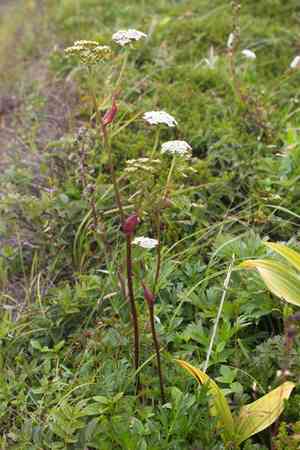
Eastern hemlockparsley (Conioselinum chinense)
Also known as: Chinese Hemlock Parsley
The Prairie White-Fringed Orchid (Platanthera leucophaea) is a hardy white-flowered perennial capable of enduring harsh winters. However, it is now endangered due to habitat loss in several areas, including Wisconsin. This plant features triangular-shaped leaflets and clusters of densely packed white petals.
In This Article
Attributes of Eastern hemlockparsley
Lifespan
Perennial
Plant Type
Herb
Plant Height
15 cm to 1.2 m
Spread
30 cm to 38 cm
Leaf Color
Green
Flower Size
8 cm to 10 cm
Flower Color
White
Images of Eastern hemlockparsley
Quickly Identify Eastern hemlockparsley
1
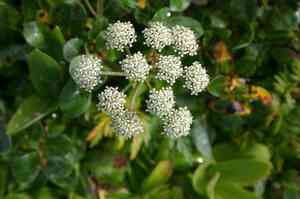
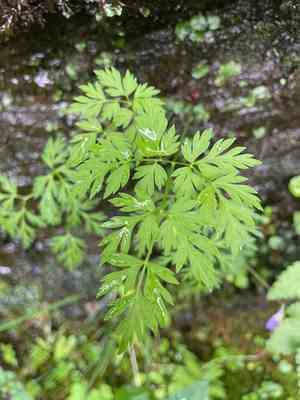
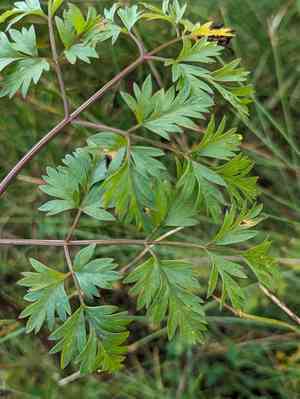
To identify Conioselinum chinense, look for its finely divided, fern-like leaves and the characteristic umbel inflorescence consisting of small, white flowers. The plant also exudes a distinctive smell when its leaves are crushed.
Scientific Classification of Eastern hemlockparsley
Phylum
Vascular plants
Class
Dicotyledons
Order
Carrots, ivies and allies
Family
Umbellifers
Genus
Hemlock-parsleys
Species
Eastern hemlockparsley
Planting and Growing of Eastern hemlockparsley
Care Difficulty
Easy
Watering Schedule
Every 8 days
Sunlight Requirements
Partial sun
Sunshine Duration
4-8 hours
Ideal Temperature
65-75℉
Soil Type
Potting Mix, Peat Mix
Soil pH
6.5-7.5
Fertilizer Type
Balanced
Pruning Season
Spring, Summer
Pruning Area
Branches, Leaves
Pruning Frequency
2 times a year
Repotting Season
Spring
Pot Type
Plastic, Ceramic
 How to Water Eastern hemlockparsley?
Conioselinum chinense thrives best when watered with approximately 200ml of water each time, ensuring the soil remains moist but not waterlogged. The basic rule is to keep the top layer of soil damp, never allowing it to dry out completely or become overly saturated.
What are the symptoms of an underwatered Eastern hemlockparsley?
›
What should I do if my Eastern hemlockparsley is not getting enough water?
›
What are the symptoms of an overwatered Eastern hemlockparsley?
›
How to save an overwatered Eastern hemlockparsley?
›
 What Are the Sunlight Requirements for Eastern hemlockparsley?
Partial sun exposure is ideal for Conioselinum chinense, ensuring balanced photosynthesis and vigorous growth. Appropriate light levels improve leaf coloration and overall plant vigor, enhancing both aesthetic appeal and biological processes.
How much sunlight does Conioselinum chinense need?
›
What is the best way to position Conioselinum chinense for ideal light?
›
Why is appropriate lighting important for Conioselinum chinense?
›
 What Is the Ideal Temperature Range for Eastern hemlockparsley?
The ideal temperature range for Conioselinum chinense is between 65°F and 75°F. Maintaining this temperature range helps ensure robust growth and optimal health for the plant.
 What Soil is Best for Eastern hemlockparsley?
Conioselinum chinense thrives in well-draining soils that prevent waterlogging, which can lead to root rot. Ensuring proper drainage promotes healthy root growth and uptake of nutrients, thus enhancing the plant's vitality. This plant prefers soil with moderate fertility levels. Rich in organic materials, such soils provide a sustainable release of nutrients, supporting steady growth without the risk of nutrient burn from excessive fertility. Consistent soil moisture is key for Conioselinum chinense. A soil that retains adequate moisture improves hydration, facilitating regular plant processes such as photosynthesis and transpiration.
 How to Fertilize Eastern hemlockparsley?
For Conioselinum chinense, the right amount of fertilizer is crucial. A balanced liquid fertilizer diluted to half strength is ideal. Use around 250 milliliters per application for young plants, adjusting as the plant matures and shows signs of different nutrient demands.
 How to Prune Eastern hemlockparsley?
Start by identifying any dead or damaged stems and remove them with a clean cut close to the base. Trim overcrowded areas to improve air circulation and sunlight exposure. Focus on maintaining the natural shape of the plant, making cuts at a slight angle about a quarter inch above a leaf node to encourage new, healthy growth. Always make sure your tools are sharp to avoid crushing the stems. Prune during the cooler part of the day to reduce stress on the plant. Be cautious not to over-prune as it can lead to excessive stress and susceptibility to diseases. Regular assessment of the plant's structure will help in determining the necessity and extent of pruning.
More About Pruning Techniques→
 How to Propagate Eastern hemlockparsley plant?
1
Begin by filling seed trays with a well-draining potting mix. Sow seeds 1-2 cm deep and cover them lightly with soil. Ensure the seeds are spaced out to allow for adequate air circulation. Keep the soil moist but not waterlogged until germination occurs.
2
Select healthy, disease-free stems for cuttings in early spring. Use clean gardening shears to cut 10-15 cm long stems. Remove the lower leaves to reduce water loss and dip the cut end in rooting hormone to encourage root development.
3
Place the prepared cuttings into a pot filled with a moist potting mix, ensuring only a small portion of the stem is buried. Place the pot in an area with indirect sunlight and maintain humidity by covering the pot with a plastic bag. Monitor moisture levels closely.
 How to Repot Eastern hemlockparsley plant?
1
Conioselinum chinense should be repotted when you notice roots emerging from the drainage holes, slowed growth, or when the plant starts toppling over, indicating a need for a larger pot. These signs typically occur every two years.
2
Select a pot that is 2-3 inches wider than the current one. Ensure it has adequate drainage holes to prevent waterlogging. This helps in fostering healthy root development and prevents diseases related to excess moisture.
3
Opt for a well-draining loamy mix to ensure proper aeration and prevent root rot. A good potting mix balances moisture retention with drainage, promoting healthy growth and preventing water-related issues.
Learn More About Eastern hemlockparsley Diseases
Anthracnose
Bacterial Leaf Spot
Bacterial Soft Rot
Bacterial Wilt
Chemical Injury
Damping-off
Downy Mildew
Drought Stress
Fusarium Wilt
Gray Mold
Leaf Spot
Mosaic
Nutrient Deficiency
Nutrient Toxicity
Powdery Mildew
Root Rot
Root-knot Nematode
Rusts
Sooty Mold
Spider Mites
Temperature Stress
Thrips Damage
White Mold



