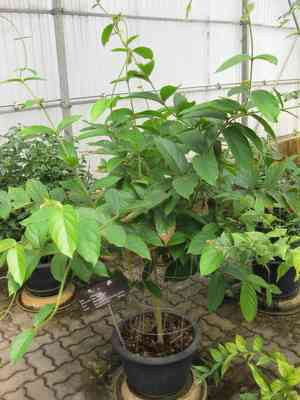
Lluvia de orquideas (Congea tomentosa)
Also known as: Shower orchid
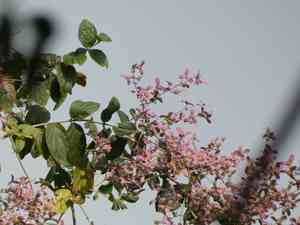
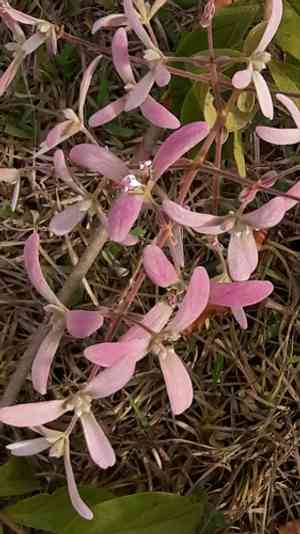
Lluvia de orquideas is an ornamental evergreen vine frequently admired for its beauty. While it appears to have striking purple flowers, the eye-catching, velvety purple parts are actually bracts. The true flowers are quite small and located within these bracts.
In This Article
Attributes of Lluvia de orquideas
Lifespan
Perennial
Plant Type
Vine
Plant Height
3 m to 6 m
Spread
3 m to 6 m
Leaf Color
Green
Flower Size
2.5 cm
Flower Color
Pink White Purple Lavender Gray
Images of Lluvia de orquideas
Quickly Identify Lluvia de orquideas
1
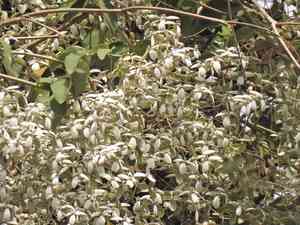
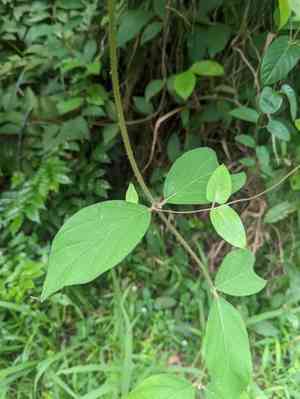
Congea tomentosa can be identified by its soft, velvety leaves and the spectacular display of pink to purple bracts that look like flowers. The true flowers are small and white and are surrounded by these notable bracts.
Scientific Classification of Lluvia de orquideas
Phylum
Vascular plants
Class
Dicotyledons
Order
Lamiales
Family
Mint
Genus
Congea
Species
Lluvia de orquideas
Planting and Growing of Lluvia de orquideas
Care Difficulty
Moderate
Watering Schedule
Every 3 days
Sunlight Requirements
Partial sun
Sunshine Duration
6-10 hours
Ideal Temperature
65-85℉
Soil Type
Potting Mix, Peat Mix
Soil pH
6.5-7.5
Fertilizer Type
Balanced
Pruning Season
Spring, Summer
Pruning Area
Branches, Leaves
Pruning Frequency
2 times a year
Repotting Season
Spring
Pot Type
Terracotta, Plastic
 How to Water Lluvia de orquideas?
Congea tomentosa requires balanced watering. Ensure the top 2 inches of soil are dry before each watering. About 500 ml of water should be given each time, soaking the root zone without leaving standing water.
What are the symptoms of an underwatered Lluvia de orquideas?
›
What should I do if my Lluvia de orquideas is not getting enough water?
›
What are the symptoms of an overwatered Lluvia de orquideas?
›
How to save an overwatered Lluvia de orquideas?
›
 What Are the Sunlight Requirements for Lluvia de orquideas?
Congea tomentosa requires partial sun, receiving around four to six hours of light daily. This allows it to grow vigorously while preventing overstress from excessive exposure.
More About Sunlight Requirements Techniques→
What is the ideal light condition for Congea tomentosa?
›
What solutions exist to achieve this ideal condition?
›
What are the benefits of achieving ideal lighting for this plant?
›
 What Is the Ideal Temperature Range for Lluvia de orquideas?
For optimal growth, Congea tomentosa thrives in temperatures ranging from 65°F to 85°F. This range provides the warmth necessary for active metabolism and blooming, replicating its natural tropical habitat. Staying within this range ensures the plant maintains vibrant foliage and healthy growth patterns.
 What Soil is Best for Lluvia de orquideas?
Congea tomentosa thrives in well-draining soil, which prevents water from stagnating around the roots. This is beneficial for the plant as it helps avoid root rot and other moisture-related diseases. The plant prefers soil with moderate fertility. A balanced nutrient content supports healthy growth and vibrant flowering, enhancing the plant's ornamental appeal. Congea tomentosa is tolerant to a pH range of 6.5 to 7.5, making it adaptable to slightly acidic to neutral soils. This range ensures nutrient availability and optimal growth conditions.
 How to Fertilize Lluvia de orquideas?
Congea tomentosa, known for its striking floral display, requires a precise amount of fertilizer for optimal growth. When applying liquid fertilizer, ensure to use a balanced solution, normally around 1-2 teaspoons per gallon of water. This ensures sufficient nutrient uptake while avoiding root burn.
 How to Prune Lluvia de orquideas?
Begin by selecting stems that are weak, diseased, or crossing each other. By focusing on these first, you promote better air circulation within the plant. This reduces the risk of infections and encourages the robust growth of healthy stems. Clear away these weak links to prioritize the plant's energy for stronger shoots. Once problem areas are trimmed, proceed to shape your Congea tomentosa. Trim back stems to maintain the desired size and shape. Always cut just above a leaf node to encourage new growth. This not only keeps the plant looking tidy but also enhances its natural structure, making it a standout in your garden. Finally, gather all fallen leaves and branches from around the plant base. It’s crucial to dispose of or compost these leftovers to prevent any potential disease spread. Cleanliness around your plant ensures it remains healthy and vibrant for the upcoming blooming seasons.
More About Pruning Techniques→
 How to Propagate Lluvia de orquideas plant?
1
Choose a healthy stem from a mature Congea tomentosa plant. The stem should be semi-ripe, which is ideal for rooting purposes, typically about 4-6 inches long.
2
Remove any leaves from the bottom half of the cutting to allow more nutrients to go towards root development. It's crucial to make a clean cut just below a leaf node.
3
Dip the cut end of the stem into rooting hormone before planting it in a potting mix that retains moisture well. Mist the cuttings and cover with a plastic bag to maintain humidity.
 How to Repot Lluvia de orquideas plant?
1
Congea tomentosa shows signs usually when its roots begin to grow out of the drainage holes, or the plant starts appearing stunted despite regular care. These are clear indicators it's time to repot. It's ideal to perform this task during spring or summer when the plant is actively growing and can recover quickly from the stress of being moved.
2
Select a pot that is one size larger than the current one, with good drainage holes to prevent waterlogging. A slightly bigger pot allows room for growth but not too much that it holds excessive moisture, which can lead to root rot. Preferably, use a pot made from materials like terra cotta that can wick away moisture and provide breathability to the roots.
3
Opt for a well-draining potting mix that is rich in organic matter yet lightweight to allow air circulation. A quality mix enhances root aeration and prevents water stagnation, ensuring a healthy environment for the roots to expand and the plant to thrive. Mixing in perlite or sand can further enhance drainage.
Learn More About Lluvia de orquideas Diseases
Anthracnose
Bacterial Leaf Spot
Bacterial Soft Rot
Bacterial Wilt
Black Spot
Chemical Injury
Crown Gall
Damping-off
Downy Mildew
Drought Stress
Fusarium Wilt
Gray Mold
Leaf Curl
Leaf Spot
Mosaic
Nutrient Deficiency
Nutrient Toxicity
Powdery Mildew
Root Rot
Root-knot Nematode
Rusts
Sooty Mold
Spider Mites
Temperature Stress
Thrips Damage
White Mold



