Dayflowers (Commelina) (Commelina)
Also known as: Dayflower, Asiatic dayflower, Mouse flower
Dayflowers, which can be annual or perennial herbs, usually have blue blooms. They are known for their short-lived flowers that open in the morning and are mainly found in tropical regions.
In This Article
Attributes of Dayflowers (Commelina)
Lifespan
Annual
Plant Height
20-90 cm
Spread
N/A
Leaf Color
Green
Flower Size
1-2 cm
Flower Color
Blue, occasionally white or purple
Images of Dayflowers (Commelina)
Quickly Identify Dayflowers (Commelina)
1
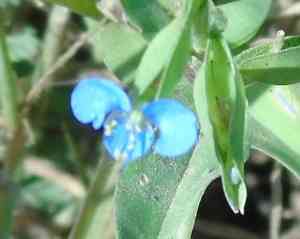
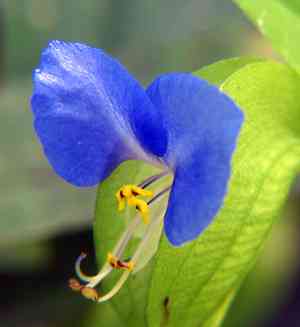
Commelina can be identified by their distinctive blue flowers with three petals, two of which are usually larger and more noticeable. The leaves are typically lanceolate and alternately arranged. The stems are often succulent and may root at the nodes.
Scientific Classification of Dayflowers (Commelina)
Phylum
Magnoliophyta
Class
Magnoliopsida
Order
Commelinales
Family
Commelinaceae
Genus
Commelina
Planting and Growing of Dayflowers (Commelina)
Care Difficulty
Easy
Watering Schedule
Every 4 days
Sunlight Requirements
Partial sun
Sunshine Duration
6-8 hours
Ideal Temperature
65-75℉
Soil Type
Potting Mix, Peat Mix
Soil pH
6.5-7.5
Fertilizer Type
Balanced
Pruning Season
Spring, Summer
Pruning Area
Branches, Leaves
Pruning Frequency
2 times a year
Repotting Season
Spring
Pot Type
Plastic, Ceramic
 How to Water Dayflowers (Commelina)?
Commelina, commonly known as dayflowers, typically thrives with moderate watering. The key is to keep the soil consistently moist, but not waterlogged. Pour about 200ml of water at the base of the plant, ensuring the soil is wet but not drenched. This encourages healthy root development.
What are the symptoms of an underwatered Dayflowers (Commelina)?
›
What should I do if my Dayflowers (Commelina) is not getting enough water?
›
What are the symptoms of an overwatered Dayflowers (Commelina)?
›
How to save an overwatered Dayflowers (Commelina)?
›
 What Are the Sunlight Requirements for Dayflowers (Commelina)?
Commelina thrives best within the partial sun range, receiving filtered sunlight for 3 to 6 hours daily. This lighting regime promotes vibrant foliage and robust flowering, supporting the plant's overall health and resilience while preventing scorching or leggy growth.
What is the ideal light preference for Commelina?
›
How can you ensure Commelina is getting ideal light exposure?
›
What are the benefits of ideal lighting for Commelina?
›
 What Is the Ideal Temperature Range for Dayflowers (Commelina)?
Commelina species thrive best in a temperature range of 65 to 75°F. This range ensures that the plants grow efficiently without experiencing thermal stress, promoting robust development and vibrant foliage. This optimal temperature range mimics their natural habitat with mild to warm conditions, which is essential for their growth.
 What Soil is Best for Dayflowers (Commelina)?
Commelina thrives in soil that provides excellent drainage to prevent waterlogging, which can lead to root rot. Well-draining soil allows excess water to escape, ensuring the plant roots receive the proper amount of moisture and oxygen. A fertile soil rich in organic matter benefits Commelina by providing essential nutrients that promote vigorous growth and vibrant blooms. Incorporating compost or organic fertilizers can enhance the soil's fertility. While drainage is important, the soil should also retain enough moisture to support the plant between waterings. Sandy loam offers a good balance of drainage and moisture retention, which is ideal for Commelina.
 How to Fertilize Dayflowers (Commelina)?
For Commelina, it's essential to ensure regular but moderate fertilization. Use a balanced 10-10-10 NPK liquid fertilizer diluted to half strength. Apply approximately 100 ml per plant to prevent over-fertilization and ensure healthy growth.
 How to Prune Dayflowers (Commelina)?
Start by identifying dead or damaged stems. These should be removed first to clear the way for healthier growth and improve the plant's appearance. Carefully shape the plant to your desired form. This involves cutting back overgrown areas and thinning congested sections to allow air circulation, which deters plant diseases. When trimming, cut at a 45-degree angle about a quarter-inch above a leaf node. This encourages new growth and helps the plant to heal more efficiently.
 How to Propagate Dayflowers (Commelina) plant?
1
Start by soaking the seeds in water for 12-24 hours to soften the seed coat. This step is crucial as it encourages quicker and more uniform germination.
2
Using sharp pruning shears, take cuttings of about 10 cm in length from healthy, non-flowering sections of the plant. Remove the lower leaves to reduce water loss and encourage root growth.
3
Carefully separate crowded clumps of the plant into individual sections. Ensure each section has roots attached, and replant immediately to minimize stress.
 How to Repot Dayflowers (Commelina) plant?
1
Commelina should be repotted when you observe roots growing out of the drainage holes or when the plant's growth appears stunted. These signs indicate that the plant has become root-bound, and it's time to provide a larger space to facilitate healthy development.
2
Select a pot that's one size larger than the current one, ensuring it has adequate drainage holes. A slightly larger pot will give the roots room to grow without overwhelming the plant, helping avoid waterlogging and promoting balanced growth.
3
Use a well-draining soil mix, ideally containing peat, perlite, and a bit of sand. This mix ensures proper aeration while retaining enough moisture, allowing the Commelina roots to thrive and preventing issues related to root rot.
Learn More About Dayflowers (Commelina) Diseases
Anthracnose
Bacterial Leaf Spot
Bacterial Soft Rot
Bacterial Wilt
Chemical Injury
Damping-off
Downy Mildew
Drought Stress
Fusarium Wilt
Gray Mold
Leaf Spot
Mosaic
Nutrient Deficiency
Nutrient Toxicity
Powdery Mildew
Root Rot
Root-knot Nematode
Rusts
Sooty Mold
Spider Mites
Temperature Stress
Thrips Damage
White Mold

