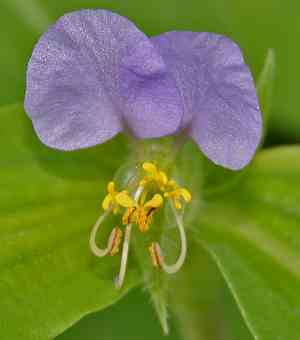
Commelina (Commelina tuberosa)
Also known as: Dayflower, Blue Dayflower
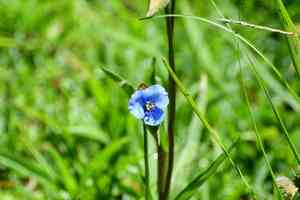
Commelina tuberosa, commonly known as the "dayflower" or "Asiatic daylily," features distinctive flowers with two large blue petals and one smaller white petal. The plant's flowers bloom for just a single day before wilting. Its reputation as a weed stems from its rapid growth and ability to spread, which allows it to outcompete native species and disrupt local habitats.
In This Article
Attributes of Commelina
Lifespan
Annual, Perennial
Plant Type
Herb
Plant Height
20 cm
Spread
30 cm
Leaf Color
Green
Flower Size
1-2 cm
Flower Color
Blue
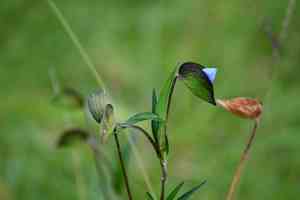
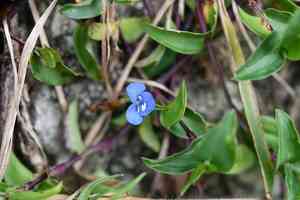
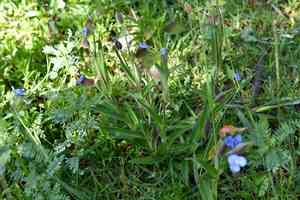
Images of Commelina
Quickly Identify Commelina
1
Identifying Commelina tuberosa involves looking for its bright blue, three-petaled flowers and lance-shaped, green leaves. The plant often has tuberous roots.
Scientific Classification of Commelina
Phylum
Vascular plants
Class
Monocotyledons
Order
Commelinales
Family
Spiderwort
Genus
Dayflowers
Species
Commelina
Planting and Growing of Commelina
Care Difficulty
Easy
Watering Schedule
Every 3 days
Sunlight Requirements
Partial sun
Sunshine Duration
4-6 hours
Ideal Temperature
60-75℉
Soil Type
Potting Mix, Peat Mix
Soil pH
6.5-7.5
Fertilizer Type
Balanced
Pruning Season
Spring, Summer
Pruning Area
Leaves, Branches
Pruning Frequency
2 times a year
Repotting Season
Spring
Pot Type
Plastic, Ceramic
 How to Water Commelina?
For Commelina tuberosa, ensure the top inch of soil is dry before each watering. Water until it runs through the drainage holes to promote root health.
What are the symptoms of an underwatered Commelina?
›
What should I do if my Commelina is not getting enough water?
›
What are the symptoms of an overwatered Commelina?
›
How to save an overwatered Commelina?
›
 What Are the Sunlight Requirements for Commelina?
This plant thrives under partial sun, benefiting from morning light and afternoon shade, which fosters robust growth, vibrant leaves, and consistent flowering.
Solution for Optimal Lighting
›
Concrete Measures for Adequate Lighting
›
Benefits of Ideal Lighting
›
 What Is the Ideal Temperature Range for Commelina?
For optimal growth, Commelina tuberosa flourishes best within a temperature range of 60 to 75 degrees Fahrenheit. This range allows for maintaining the appropriate metabolic processes and ensures healthy development. Consistent temperatures within this range aid in preventing stress and support robust foliage and flower production.
 What Soil is Best for Commelina?
Commelina tuberosa thrives in well-draining soil that prevents waterlogging. This is crucial in avoiding root rot and ensuring that roots receive adequate oxygen for healthy growth. A nutrient-rich medium is essential for the Commelina tuberosa as it supports robust growth and vibrant foliage. Incorporating organic matter like compost boosts soil fertility. The plant prefers soil that retains moderate moisture; it should hold enough water for plant requirements without being overly saturated, thus preventing dehydration.
 How to Fertilize Commelina?
Commelina tuberosa performs best with moderate fertilization. For liquid fertilizers, use a half-strength balanced formula, applying approximately 20 milliliters per plant. For slow-release granules, scatter about 15 grams around the base of each plant, ensuring even distribution. Adjust amounts based on plant response and season.
 How to Prune Commelina?
Start by sterilizing your pruning shears to prevent any disease transmission. Locate any dead or yellowing leaves and clip them at the base near the stem. Regularly prune back any excess growth to maintain a compact and bushy shape. Practicing thoughtful pruning not only improves the plant's appearance but also promotes air circulation among the foliage, reducing the risk of fungal diseases. If you seek to propagate Commelina tuberosa, take cuttings during your pruning sessions. Snip 4-6 inches of healthy stem, remove the lower leaves, and place them in water or soil to encourage root development. This method not only tidies the main plant but also helps expand your garden with minimal effort.
More About Pruning Techniques→
 How to Propagate Commelina plant?
1
Choose a well-drained seedbed or nursery area. Loosen the soil to improve aeration and water retention. Add organic matter such as compost to enrich the soil. Level the surface for even sowing of seeds.
2
Scatter the seeds evenly over the prepared seedbed. Cover with a thin layer of soil or compost (about 0.5 cm). Keep the seedbed moist with gentle watering until germination, ensuring seeds aren't dislodged.
3
Gently dig up the plant to expose the tubers. Use a sharp knife to divide them into sections, each with an active bud. Plant the sections in prepared holes, ensuring they are at the same depth they were growing previously.
 How to Repot Commelina plant?
1
Repot Commelina tuberosa when you notice it becoming root-bound, evident by the roots circling the pot or growing through drainage holes. It's also time to repot if the soil drains poorly or if the plant's growth has noticeably slowed. Opt for early spring or autumn to give it a fresh start in a new home.
2
Select a pot that is 1-2 inches larger in diameter than its current one to provide ample space for growth. Ensure the pot has adequate drainage holes to prevent root rot. A slightly deeper pot can also support the plant's top-heavy structure, offering stability and optimal growth conditions.
3
Choose a well-draining potting mix enriched with organic matter. This ensures good aeration and moisture retention without waterlogging, which is crucial for maintaining healthy root systems for Commelina tuberosa. Adding perlite or sand can further enhance the drainage capacity of the soil.
Learn More About Commelina Diseases
Anthracnose
Bacterial Leaf Spot
Bacterial Soft Rot
Bacterial Wilt
Chemical Injury
Crown Gall
Cyst Nematode
Damping-off
Downy Mildew
Drought Stress
Fusarium Wilt
Gray Mold
Leaf Curl
Leaf Spot
Mosaic
Nutrient Deficiency
Nutrient Toxicity
Powdery Mildew
Root Rot
Root-knot Nematode
Rusts
Sooty Mold
Spider Mites
Temperature Stress
Thrips Damage
White Mold



