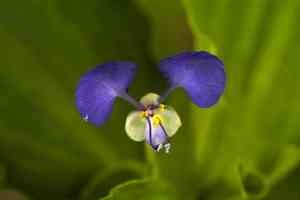
Wandering Jew (Commelina benghalensis)
Also known as: Tropical Spiderwort
Canada thistle has been introduced to North America and is regarded as a noxious weed. It can be extremely invasive, spreading through agricultural lands and pastures, and outcompeting more beneficial plants.
In This Article
Attributes of Wandering Jew
Lifespan
Annual, Perennial, Biennial
Plant Type
Herb
Plant Height
15 cm to 30 cm
Spread
60 cm to 90 cm
Leaf Color
Green
Flower Size
2.5 cm
Flower Color
White Green Purple Blue Lavender
Images of Wandering Jew
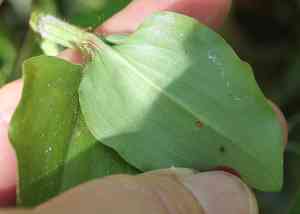
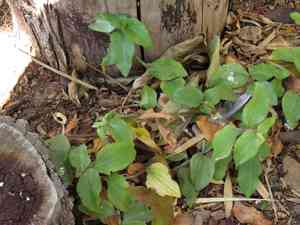
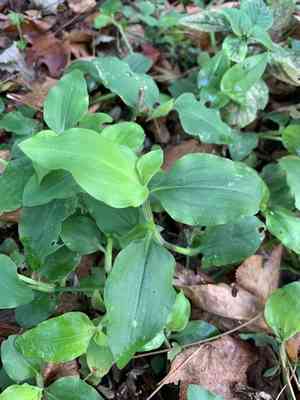
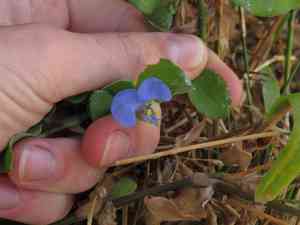
Quickly Identify Wandering Jew
1
Look for succulent stemmed plants with oval, pointed leaves. The leaves are typically alternately arranged and may have a slightly hairy texture. The blue flowers are small, with one large petal and two smaller petals.
Scientific Classification of Wandering Jew
Phylum
Vascular plants
Class
Monocotyledons
Order
Spiderworts and allies
Family
Spiderwort
Genus
Dayflowers
Species
Wandering Jew
Planting and Growing of Wandering Jew
Care Difficulty
Easy
Watering Schedule
Every 8 days
Sunlight Requirements
Partial sun
Sunshine Duration
4-8 hours
Ideal Temperature
75-85℉
Soil Type
Potting Mix, Peat Mix
Soil pH
6.5-7.5
Fertilizer Type
Balanced
Pruning Season
Spring, Summer
Pruning Area
Branches, Leaves
Pruning Frequency
2 times a year
Repotting Season
Spring
Pot Type
Plastic, Ceramic
 How to Water Wandering Jew?
For Commelina benghalensis, water until the top inch of the soil is moist but not soggy. The roots prefer well-draining soil to avoid excess water retention which can lead to root rot. Approximately 250 ml is generally sufficient for this purpose.
What are the symptoms of an underwatered Wandering Jew?
›
What should I do if my Wandering Jew is not getting enough water?
›
What are the symptoms of an overwatered Wandering Jew?
›
How to save an overwatered Wandering Jew?
›
 What Are the Sunlight Requirements for Wandering Jew?
Commelina benghalensis flourishes best in partial sun to full shade environments. The ideal light setting boosts photosynthesis, enhances leaf coloration, and encourages more blooms while reducing the risks of stress and leaf damage.
What is the best lighting condition for Commelina benghalensis?
›
How can I provide ideal lighting for Commelina benghalensis?
›
What benefits does Commelina benghalensis gain from ideal lighting?
›
 What Is the Ideal Temperature Range for Wandering Jew?
Commelina benghalensis thrives best between temperatures of 75 to 85°F. This range ensures optimal enzymatic activity and physiological processes for growth. Maintaining these temperatures encourages healthy leaf development and robust plant structure.
 What Soil is Best for Wandering Jew?
Commelina benghalensis thrives best in well-drained soils, which prevent waterlogging. This is important because excessive water can suffocate the roots, leading to poor growth and susceptibility to root rot. A well-drained soil ensures healthy root development and robust plant vitality. This plant benefits from nutrient-rich soils that provide essential minerals and nutrients required for growth. A fertile soil supports the plant's development phase, enabling lush foliage and a strong structural foundation. Commelina benghalensis requires moderately moist soil conditions to sustain its growth. Consistent moisture helps maintain optimal hydration levels, ensuring the plant's metabolic processes function efficiently. However, it’s crucial to avoid oversaturation.
 How to Fertilize Wandering Jew?
Commelina benghalensis thrives with moderate fertilization. For liquid fertilizers, mix them at half the recommended strength, as too much can cause fertilizer burn. Apply 100 ml per plant, ensuring the soil is moist before application. For slow-release fertilizers, use approximately 40 grams per square meter spread evenly across the planting area.
 How to Prune Wandering Jew?
Use sharp, sterilized shears to prune Commelina benghalensis. Begin by removing any dead or damaged leaves and stems. Trim back overgrown parts that may overshadow the rest of the plant to encourage balanced growth. Focus on maintaining an even canopy and compact structure. To promote new growth, cut near a node where you want new branches to emerge. This encourages the plant to develop a denser, bushier form. Regular pinching and cutting back can stimulate more vigorous and lush foliage production.
 How to Propagate Wandering Jew plant?
1
Harvest seeds from mature Commelina benghalensis plants when the seed pods have dried. Gently break open the pods to collect the seeds, ensuring they are dry and free from mold.
2
Using sharp pruning shears, take healthy cuttings of about 10-15 cm in length from a mature plant. Remove the lower leaves to prevent rotting and dip the cut end in a rooting hormone powder.
3
Divide the plant during the growing season by carefully separating the rhizomes. Each division should have a good portion of roots and at least one growing shoot to ensure successful propagation.
 How to Repot Wandering Jew plant?
1
Commelina benghalensis shows signs of needing repotting when its roots begin to grow out of the drainage holes or the soil dries out more quickly than usual. This indicates that the plant has outgrown its current pot, and spring or summer is the ideal time to repot due to optimal growth conditions.
2
Select a pot that's one size larger than the current one, ensuring it has adequate drainage holes. A pot that's too large can lead to excessive soil moisture, increasing the risk of root rot, while one that's too small can stunt growth and restrict root development.
3
A well-draining potting mix is crucial for Commelina benghalensis. This type of soil prevents waterlogging, ensuring the roots receive adequate air supply, which is vital for preventing root diseases and promoting healthy growth.
Learn More About Wandering Jew Diseases
Anthracnose
Bacterial Leaf Spot
Bacterial Soft Rot
Bacterial Wilt
Chemical Injury
Damping-off
Downy Mildew
Drought Stress
Fusarium Wilt
Gray Mold
Leaf Spot
Mosaic
Nutrient Deficiency
Nutrient Toxicity
Powdery Mildew
Root Rot
Root-knot Nematode
Rusts
Sooty Mold
Spider Mites
Temperature Stress
Thrips Damage


