
Torrey's blue eyed mary (Collinsia torreyi)
Also known as: Blue-eyed Mary, Chinese Houses
This annual herb features a slim, reddish stem that can reach approximately 25 centimeters in height. The corolla is compact, measuring less than a centimeter in length, and is composed of distinct lobes: two upper lobes that are white or lightly tinted with lavender, and three lower lobes that range from a deeper lavender to purple hue.
In This Article
Attributes of Torrey's blue eyed mary
Lifespan
Annual
Plant Type
Herb
Plant Height
15-30 cm
Spread
N/A
Leaf Color
Green
Flower Size
1-1.5 cm
Flower Color
Blue and white
Images of Torrey's blue eyed mary


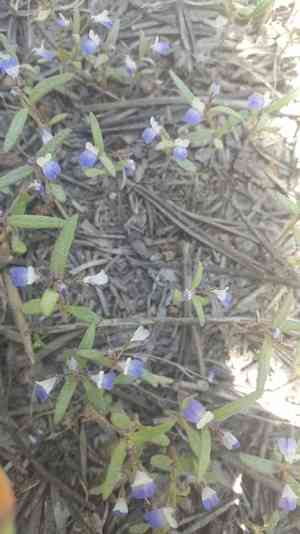

Quickly Identify Torrey's blue eyed mary
1
Look for a slender plant with opposite leaves and small, bi-colored flowers, typically in shades of blue and white. The flowers are bilaterally symmetrical and grow in whorls.
Scientific Classification of Torrey's blue eyed mary
Phylum
Vascular plants
Class
Dicotyledons
Order
Lamiales
Family
Plantain
Genus
Blue eyed Marys
Species
Torrey's blue eyed mary
Planting and Growing of Torrey's blue eyed mary
Care Difficulty
Moderate
Watering Schedule
Every 2 days
Sunlight Requirements
Partial sun
Sunshine Duration
6-8 hours
Ideal Temperature
65-75℉
Soil Type
Potting Mix, Peat Mix
Soil pH
6.5-7.5
Fertilizer Type
Balanced
Pruning Season
Spring, Summer
Pruning Area
Branches, Leaves
Pruning Frequency
Once a year
Repotting Season
Spring
Pot Type
Terracotta, Plastic
 How to Water Torrey's blue eyed mary?
Collinsia torreyi prefers moderate watering; ensure approximately 200 ml of water per session. Water until the soil feels consistently moist, but not overly saturated. Avoid letting water pool at the bottom of the container to prevent root rot.
What are the symptoms of an underwatered Torrey's blue eyed mary?
›
What should I do if my Torrey's blue eyed mary is not getting enough water?
›
What are the symptoms of an overwatered Torrey's blue eyed mary?
›
How to save an overwatered Torrey's blue eyed mary?
›
 What Are the Sunlight Requirements for Torrey's blue eyed mary?
Collinsia torreyi flourishes in both partial and full sun, benefiting from 4 to 6 hours of sunlight. Proper light ensures healthy development, supporting rich foliage and vibrant blooming.
Why does Collinsia torreyi need ample sunlight?
›
What is the best way to provide ideal sunlight to Collinsia torreyi?
›
How does receiving ideal light impact Collinsia torreyi?
›
 What Is the Ideal Temperature Range for Torrey's blue eyed mary?
The ideal temperature range for Collinsia torreyi cultivation is essential for optimal growth and development. Maintaining a range between 65°F and 75°F allows the plant to thrive, providing the best conditions for photosynthesis and nutrient uptake. This temperature range mimics its natural habitat's stable climate, ensuring the plant remains healthy and vigorous.
 What Soil is Best for Torrey's blue eyed mary?
Collinsia torreyi thrives in well-drained soil, which prevents water from pooling around the roots and causing rot. This requirement ensures that the plant can access oxygen and nutrients efficiently, promoting healthy growth and vibrant blooms. The plant benefits from nutrient-rich substrates that provide essential minerals for its development. Incorporating organic matter like compost can boost the soil's fertility, supporting strong root systems and lush foliage. Collinsia torreyi prefers soil that retains moderate moisture without becoming waterlogged. This balance allows the soil to stay moist while still facilitating adequate drainage, ensuring the plant does not suffer from drought stress.
 How to Fertilize Torrey's blue eyed mary?
Collinsia torreyi is a modest feeder, preferring light fertilization. Use a balanced, all-purpose fertilizer at half the recommended strength to avoid overfeeding. This plant requires minimal fertilizer, ensuring its native nutrient uptake is undisturbed.
 How to Prune Torrey's blue eyed mary?
Begin by removing any dead or damaged stems, using sharp scissors to make clean cuts. Focus on cutting above a healthy leaf node to encourage new growth. Thin out crowded areas to improve air circulation and light penetration. Regularly assess plant size and shape, maintaining its natural form by trimming selectively. Avoid removing more than one-third of the plant at once to prevent stress.
More About Pruning Techniques→
 How to Propagate Torrey's blue eyed mary plant?
1
Harvest seeds from a mature Collinsia torreyi plant when its seed pods turn brown and dry. Gently open the pods over a clean surface and collect the seeds, ensuring they are free from any plant debris.
2
Choose healthy stems and make clean cuts just below a node. Remove the lower leaves to minimize moisture loss, and dip the cut end in rooting hormone to encourage quicker root development.
3
Fill a seed tray with a well-draining potting mix. For seeds, sprinkle them evenly on the surface and lightly press into the mix. For cuttings, insert the cut ends into holes made with a stick and firm the soil around them.
 How to Repot Torrey's blue eyed mary plant?
1
Keep an eye on the plant's growth and root development. If the roots start appearing on the soil's surface or growing through the drainage holes, it's time to repot. Additionally, if water seems to drain too quickly, the roots may be overcrowded, indicating a need for repotting.
2
Select a pot that is one size larger than the current one. Ensure it has drainage holes to prevent waterlogging. The size increase encourages root expansion, while drainage holes help maintain ideal moisture levels, critical for Collinsia torreyi's health.
3
Opt for a well-draining soil mix, ideally balanced with components like sand and peat. This promotes proper aeration and prevents root rot by draining excess water away from the roots swiftly.
Learn More About Torrey's blue eyed mary Diseases
Anthracnose
Bacterial Leaf Spot
Bacterial Wilt
Chemical Injury
Crown Gall
Cyst Nematode
Damping-off
Downy Mildew
Drought Stress
Fusarium Wilt
Gray Mold
Leaf Spot
Mosaic
Nutrient Deficiency
Nutrient Toxicity
Powdery Mildew
Root Rot
Root-knot Nematode
Rusts
Sooty Mold
Spider Mites
Temperature Stress
Thrips Damage
White Mold



