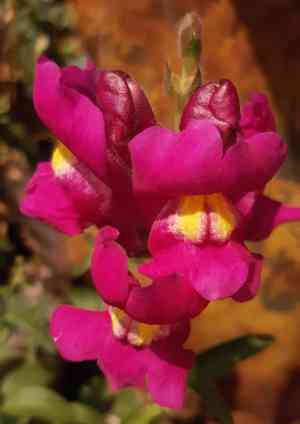
Sticky chinese houses (Collinsia tinctoria)
Also known as: None
Collinsia tinctoria is an annual herb that typically grows up to 60 centimeters in height. It features a robust, upright stem and has leaves that are oppositely arranged, triangular to lance-shaped, occasionally toothed, and hairy on their undersides.
In This Article
Attributes of Sticky chinese houses
Lifespan
Annual
Plant Type
Herb
Plant Height
30 cm to 91 cm
Spread
N/A
Leaf Color
Green
Flower Size
1 to 2 cm
Flower Color
White, lavender, purple spots
Images of Sticky chinese houses
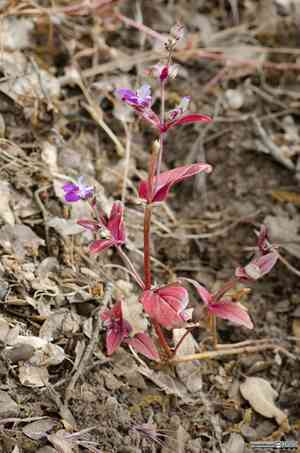
Quickly Identify Sticky chinese houses
1
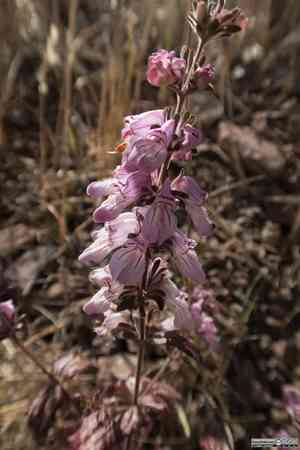
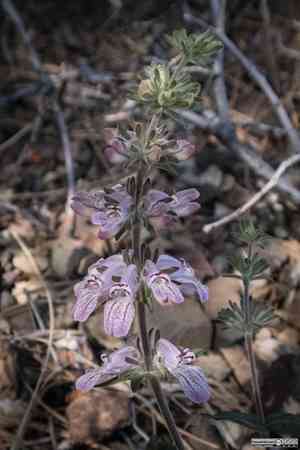
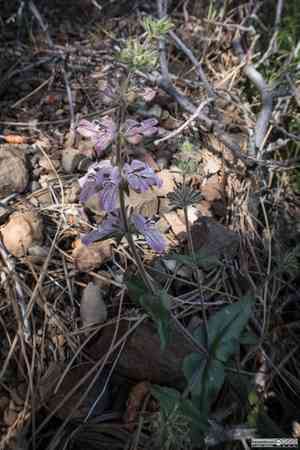
Collinsia tinctoria can be identified by its sticky stems, whorled flowers which are typically white to pale lavender with purple spots, and its lance-shaped leaves that may be slightly hairy.
Scientific Classification of Sticky chinese houses
Phylum
Vascular plants
Class
Dicotyledons
Order
Lamiales
Family
Plantain
Genus
Blue eyed Marys
Species
Sticky chinese houses
Planting and Growing of Sticky chinese houses
Care Difficulty
Moderate
Watering Schedule
Every 4 days
Sunlight Requirements
Partial sun
Sunshine Duration
4-8 hours
Ideal Temperature
60-70℉
Soil Type
Potting Mix, Peat Mix
Soil pH
6.5-7.5
Fertilizer Type
Balanced
Pruning Season
Spring, Summer
Pruning Area
Leaves, Branches
Pruning Frequency
2 times a year
Repotting Season
Spring
Pot Type
Plastic, Terracotta
 How to Water Sticky chinese houses?
The Collinsia tinctoria prefers a moderate watering amount. It's advisable to give it about 250 milliliters per session. This ensures the soil is adequately moist without becoming waterlogged. The top layer of soil should be dry to touch before the next watering, keeping the delicate balance between hydration and aeration. The plant should receive enough water to soak the root zone while allowing for proper drainage.
What are the symptoms of an underwatered Sticky chinese houses?
›
What should I do if my Sticky chinese houses is not getting enough water?
›
What are the symptoms of an overwatered Sticky chinese houses?
›
How to save an overwatered Sticky chinese houses?
›
 What Are the Sunlight Requirements for Sticky chinese houses?
The ideal light range for Collinsia tinctoria is partial sun; it enjoys around 4 to 6 hours of sunlight. This range promotes balanced growth, vibrant leaves, and consistent blooming without exposure-induced stress.
Question 1
›
Question 2
›
Question 3
›
 What Is the Ideal Temperature Range for Sticky chinese houses?
For optimal growth, Collinsia tinctoria thrives in temperatures ranging from 60°F to 70°F. This range supports healthy photosynthesis and prevents thermal stress. Aim to keep the environment consistent within this range for best results.
 What Soil is Best for Sticky chinese houses?
Collinsia tinctoria thrives in well-draining soil that prevents root rot by ensuring excess water flows away quickly. Utilizing sandy loam enhances drainage and maintains essential oxygen levels for root health, boosting the plant's vitality. Providing a nutrient-rich medium is vital for Collinsia tinctoria, ensuring robust growth and vibrant blooming. A loamy soil composition offers a balanced supply of essential nutrients, promoting lush foliage and abundant flowers. For optimal growth, Collinsia tinctoria requires a moderately fine soil texture. Loam or sandy loam, with their balanced mix of sand, silt, and clay, offers the perfect structure, facilitating root expansion and nutrient uptake.
 How to Fertilize Sticky chinese houses?
For Collinsia tinctoria, the fertilizer amount is crucial for ensuring healthy growth. Typically, using a balanced liquid fertilizer at half the recommended strength can prevent nutrient overload. Aim to apply about 50 ml of this diluted solution per plant to start with.
 How to Prune Sticky chinese houses?
Start by using clean, sharp scissors or pruning shears. Remove any dead or yellowing leaves at the base of the plant. Trim back overly long stems to encourage a fuller shape. Focus on cutting just above a leaf node to promote new growth and more blooms. Prune on a cloudy day to reduce stress on the plant from moisture loss. Always make clean cuts to prevent damage and disease introduction. Consider pruning in stages over a few weeks to reduce shock to the plant.
More About Pruning Techniques→
 How to Propagate Sticky chinese houses plant?
1
Begin by filling the seed tray with sterilized potting mix. Scatter the seeds evenly over the mix and lightly cover them with a thin layer of soil. Water gently and place the tray in a bright, warm area.
2
Keep the soil consistently moist by misting it with water. Avoid over-watering, as this can lead to fungal diseases. Covering the tray with a plastic dome can help retain humidity and warmth.
3
Once the seedlings have developed a few true leaves, they are ready to be transplanted. Gently remove them from the tray and plant them into individual pots or directly into the garden, ensuring they are spaced adequately.
 How to Repot Sticky chinese houses plant?
1
Collinsia tinctoria shows signs of needing repotting when it outgrows its current container or the soil becomes compacted. Look for roots emerging from the drainage holes and water pooling on the surface. The best time is during the growing seasons of spring or autumn, as the plant can adjust more readily to new conditions.
2
Select a pot that is 1-2 inches wider in diameter than the current one, ensuring it has ample drainage holes. A slightly larger pot allows the roots to expand while preventing excess moisture retention that could lead to root rot. Avoid going too large, as too much soil can hold excessive water and suffocate the roots.
3
Opt for a well-draining potting mix to ensure proper moisture levels. A mix containing perlite, vermiculite, or coarse sand can enhance drainage, reducing the risk of soggy soil that contributes to root decay. This type of soil allows roots to breathe and promotes healthy growth.
Learn More About Sticky chinese houses Diseases
Anthracnose
Bacterial Leaf Spot
Bacterial Soft Rot
Bacterial Wilt
Chemical Injury
Damping-off
Downy Mildew
Drought Stress
Fusarium Wilt
Gray Mold
Leaf Spot
Mosaic
Nutrient Deficiency
Nutrient Toxicity
Powdery Mildew
Root Rot
Root-knot Nematode
Rusts
Sooty Mold
Spider Mites
Temperature Stress
Thrips Damage
White Mold



