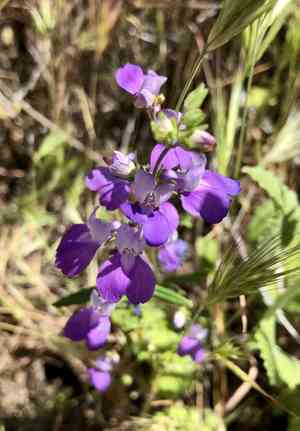
Chinese houses (Collinsia concolor)
Also known as: Chinese Houses
Chinese houses (Collinsia heterophylla) is a charming wildflower known for its distinctive, colorful blooms and slender appearance. This plant is typically found in its native Californian habitats, where it thrives in partially shaded environments like woodlands. It prefers the cool, moist soil of these understory areas, which supports its growth and vibrant flowering during its blooming season. The plant's paired leaves and clusters of blossoms add to its delicate beauty.
In This Article
Attributes of Chinese houses
Lifespan
Annual
Plant Type
Herb
Plant Height
10-30 cm
Spread
N/A
Leaf Color
Green
Flower Size
1-2 cm
Flower Color
Purple, Blue
Images of Chinese houses
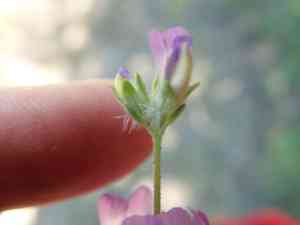
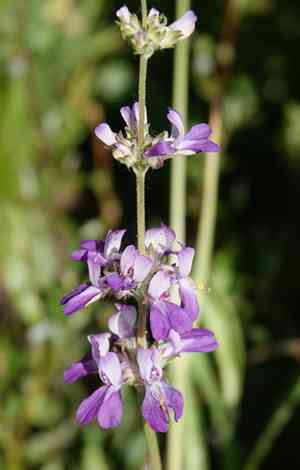
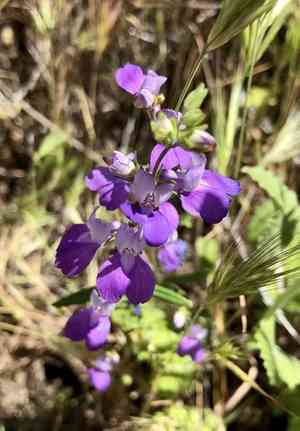
Quickly Identify Chinese houses
1
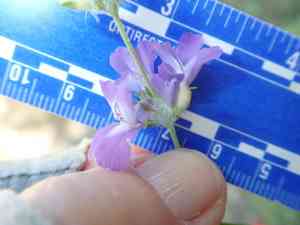
Look for the characteristic whorls of purple or blue flowers arranged in tiers, each tier resembling the layered roofs of traditional Chinese pagodas. The leaves are lanceolate and oppositely arranged.
Scientific Classification of Chinese houses
Phylum
Vascular plants
Class
Dicotyledons
Order
Lamiales
Family
Plantain
Genus
Blue eyed Marys
Species
Chinese houses
Planting and Growing of Chinese houses
Care Difficulty
Moderate
Watering Schedule
Every 2 days
Sunlight Requirements
Partial sun
Sunshine Duration
6-10 hours
Ideal Temperature
65-75℉
Soil Type
Potting Mix, Peat Mix
Soil pH
6.5-7.5
Fertilizer Type
Balanced
Pruning Season
Spring, Summer
Pruning Area
Branches, Leaves
Pruning Frequency
2 times a year
Repotting Season
Spring
Pot Type
Plastic, Terracotta
 How to Water Chinese houses?
When watering Collinsia concolor, ensure the soil is moist but not flooded. Water approximately 150 ml each time, allowing the top inch of soil to dry out slightly between waterings. This plant thrives on adequate moisture but can suffer if overwatered.
What are the symptoms of an underwatered Chinese houses?
›
What should I do if my Chinese houses is not getting enough water?
›
What are the symptoms of an overwatered Chinese houses?
›
How to save an overwatered Chinese houses?
›
 What Are the Sunlight Requirements for Chinese houses?
Partial sun to full sun is the optimal range for Collinsia concolor. This range ensures the plant receives enough light for photosynthesis and growth yet avoids the danger of heat stress. Ideal lighting promotes healthy foliage, rich coloration, and frequent flowering.
What is the ideal lighting condition for Collinsia concolor?
›
How can I ensure Collinsia concolor receives the ideal lighting conditions?
›
What are the benefits of providing Collinsia concolor with the ideal lighting?
›
 What Is the Ideal Temperature Range for Chinese houses?
Collinsia concolor thrives best in temperatures between 65 to 75 degrees Fahrenheit. This range provides the optimal environment for photosynthesis and growth, ensuring healthy development and flowering. Deviation from this range can stress the plant, negatively impacting its performance and vitality.
 What Soil is Best for Chinese houses?
Collinsia concolor thrives in well-drained soils that prevent waterlogging, ensuring roots have access to both moisture and oxygen. This type of soil helps prevent root rot and supports healthy growth. This plant benefits from soils with moderate nutrient levels. It doesn't require overly rich soil, which helps prevent excessive leaf growth at the expense of blooms, leading to a balanced and healthy plant. Incorporating organic matter into the soil boosts the soil structure and fertility, providing essential nutrients and improving water retention, which supports Collinsia concolor's growth and resilience.
 How to Fertilize Chinese houses?
For Collinsia concolor, the appropriate fertilizer amount can vary depending on the type and growth stage of the plant. Generally, a diluted liquid fertilizer at one-quarter strength is recommended. For slow-release options, apply at the manufacturer's suggested dose, once every four months, ensuring it doesn't touch the plant stems directly.
 How to Prune Chinese houses?
While pruning is beneficial, cutting back too much can stress the plant. Aim to remove no more than a third of the plant's foliage at a time, ensuring healthy growth without causing shock. Pruning in the wrong season can hinder growth. Spring and autumn are ideal times, avoiding the extreme conditions of summer and winter, which can exacerbate stress on pruned plants.
More About Pruning Techniques→
 How to Propagate Chinese houses plant?
1
Start by filling seed trays with a well-draining potting mix. Sow the seeds on the surface and cover lightly with soil. Keep the trays in a warm, sunny location and maintain moisture without waterlogging.
2
Select healthy stems around 4-6 inches long. Make a clean cut with pruning shears just below a leaf node. Remove the lower leaves and submerge the cut end in rooting hormone before planting.
3
Insert the treated cuttings into a moist, well-draining potting mix. Place them in a sheltered, bright area but out of direct sunlight. Ensure the soil remains consistently moist to encourage rooting.
 How to Repot Chinese houses plant?
1
Repot Collinsia concolor when you notice its growth has stalled or roots are emerging from the drainage holes. These signals indicate that the plant has outgrown its current pot and needs more space to flourish. The optimal times for repotting are during spring or autumn when the plant is in an active growth phase. Avoid repotting during the flowering stage as this can disrupt its natural cycle.
2
Select a pot that is one size larger than the current one with sufficient drainage holes to prevent waterlogging. The ideal pot should be made of a breathable material like terracotta, which assists in moisture regulation. This selection promotes healthy root development and minimizes the risk of root rot by allowing excess moisture to evaporate effectively.
3
Opt for a well-draining, sandy soil mix to ensure adequate aeration and prevent water retention. Such soil provides essential nutrients while preventing issues like root rot, which can occur in heavier soils. Incorporating perlite or coarse sand will improve the soil's draining capability, fostering a healthy root system that aids in robust plant growth.
Learn More About Chinese houses Diseases
Anthracnose
Bacterial Leaf Spot
Bacterial Soft Rot
Bacterial Wilt
Chemical Injury
Crown Gall
Cyst Nematode
Damping-off
Downy Mildew
Drought Stress
Fusarium Wilt
Gray Mold
Leaf Curl
Leaf Spot
Mosaic
Nutrient Deficiency
Nutrient Toxicity
Powdery Mildew
Root Rot
Root-knot Nematode
Rusts
Sooty Mold
Spider Mites
Temperature Stress
Thrips Damage
White Mold



