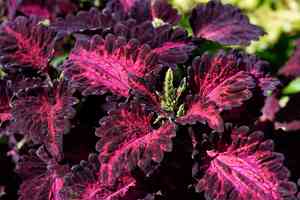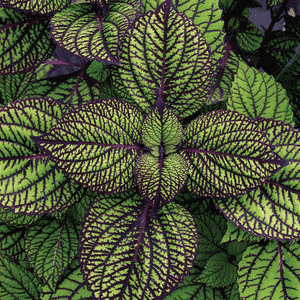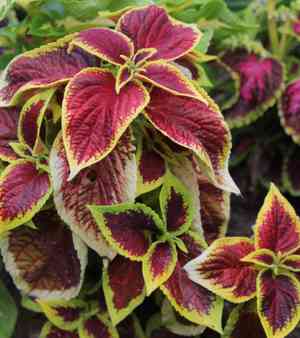
Common coleus(Coleus scutellarioides)

Common coleus (Coleus scutellarioides)

Also known as: Coleus blumei

Coleus, scientifically known as Plectranthus scutellarioides, is a plant native to Southeast Asia famous for its diverse leaf colors and shapes. It is utilized in traditional herbal medicine across various cultures. Additionally, the Mazatec people of Mexico use it as a narcotic. In Cuba, Coleus is considered an invasive species.

Attributes of Common coleus

Lifespan
Perennial, Annual
Plant Type
Herb
Plant Height
60 cm to 1 m
Spread
8 mm to 1.3 cm
Leaf Color
Green White Red Gold Orange Purple Brown
Flower Size
8 mm to 1 cm
Flower Color
Blue White Purple Green Lavender

ForwardPlant - Identify plants with a snap

Identify and diagnose plants, get toxicity alerts, and explore safety guides for all types of fungi.

Try for Free

Images of Common coleus

Common coleus(Coleus scutellarioides)

Quickly Identify Common coleus

1
Vibrant variegated foliage with multi-colored patterns.
2
Small blue-violet flowers in terminal clusters.
3
Tiny brown nutlet fruits encased in protective calyxes.
4
Ovate to oblong leaves with crenate margins and vivid patterns.
5
Semi-succulent stem with 4-angled cross-section, turning semi-woody at base.

Scientific Classification of Common coleus

Phylum
Vascular plants
Class
Dicotyledons
Order
Lamiales
Family
Mint
Genus
Coleus
Species
Common coleus

Planting and Growing of Common coleus

Care Difficulty
Easy
Watering Schedule
Every 6 days
Sunlight Requirements
Partial sun
Sunshine Duration
6-10 hours
Ideal Temperature
70-85℉
Soil Type
Potting Mix, Peat Mix
Soil pH
6-7.5
Fertilizer Type
Balanced
Pruning Season
Spring, Summer
Pruning Area
Branches, Leaves
Pruning Frequency
2 times a year
Repotting Season
Spring
Pot Type
Plastic, Ceramic

water icon How to Water Common coleus?

The Coleus scutellarioides should be watered with around 200 milliliters of water each time. Be vigilant not to overwater, as plants prefer well-draining soil with ample air space between water applications. The soil should be moist, but never soaking.
What are the symptoms of an underwatered Common coleus?
What should I do if my Common coleus is not getting enough water?
What are the symptoms of an overwatered Common coleus?
How to save an overwatered Common coleus?
More About Watering Techniques

sunlight icon What Are the Sunlight Requirements for Common coleus?

Sunlight Requirements: Partial sun
Duration of light: 4 to 6 hours
Adequate light for Coleus lies in the range of 4 to 6 hours per day, of bright, indirect light. Good light exposure allows for vibrant foliage color and promotes an active and balanced growth.
What are the ideal lighting conditions for Coleus scutellarioides?
How can I provide the ideal light conditions for my Coleus?
What benefits will my Coleus gain from good light exposure?
More About Sunlight Requirements Techniques

temperature icon What Is the Ideal Temperature Range for Common coleus?

Ideal Temperature: 70 ~ 85℉
Coleus Scutellarioides prefers a temperature range between 70 and 85 degrees Fahrenheit. This is the ideal temperature range where the plant grows optimally, displaying vibrant colors and lush foliage.

soil icon What Soil is Best for Common coleus?

Soil type: Loam, Sandy loam
Soil PH: 6 ~ 7.5
Coleus scutellarioides requires well-drained soil as it dislikes water-logged conditions. Waterlogging can lead to root rot and other fungal diseases. To ensure proper drainage, consider adding organic matter or sand to improve the soil structure. This plant thrives in a soil that is high in organic matter. Organic matter improves the fertility of the soil resulting in lush, vibrant foliage. Fertility can be boosted through the addition of well-rotted compost or manure. Coleus scutellarioides prefers a pH between 6.0 and 7.5. In such a pH range, necessary nutrients can be effectively absorbed by the plant. With a simple soil testing kit, the pH of your garden soil can be measured. More About Soil

fertilize icon How to Fertilize Common coleus?

Fertilizer type: Balanced
For Coleus scutellarioides, use a balanced liquid fertilizer on a monthly basis. The recommended dosage is 2 teaspoons per gallon of water. More About Fertilizing Techniques

prune icon How to Prune Common coleus?

Pruning Time: Spring, Summer
Look for a node where a set of leaves or branches are growing, this is your cutting point. Usually, it is recommended to cut just above a node where two leaves intersect with the stem. This promotes branches to regrow from this node. After the pruning is done, dispose of the clippings away from other plants to prevent the spread of any potential disease. Additionally, ensure the plant gets enough water and nutrients to support and quicken the healing process. More About Pruning Techniques

propagate icon How to Propagate Common coleus plant?

Propagate Time: Spring, Summer
1
Ensure a clean, sharp cut at a node, which is a place on the stem where leaves, buds, or branches can grow.
2
Place the cutting in a glass of water and change the water every few days to keep it fresh.
3
Sow the seeds in a seed tray filled with a well draining soil. Cover the seeds lightly with the soil or vermiculite.
More About Propagating Techniques

repot icon How to Repot Common coleus plant?

Repotting frequency: Once every two years
1
The ideal time to repot Coleus scutellarioides is in the spring or summer when the plant is actively growing. Look for signs like roots growing out of the drainage holes, yellowing leaves, or a slump in growth as these can signal it's time for repotting.
2
Choose a pot 1-2 inches larger than the current pot. A pot with good drainage is essential to avoid water logging that can cause root rot. Upgrading the pot size contributes in accommodating the growing roots, thus promoting more growth.
3
Use well-drained, nutrient-rich, loamy soil. The soil is crucial to provide Coleus with the necessary nutrients for its growth. Also, loamy soil holds moisture but also drains well avoiding water stagnation in the pot.
More About Repotting Techniques

ForwardPlant - Identify plants with a snap

Find the best spots for them to optimize their health, simply using your phone.

Try for Free

Toxicity of Common coleus

Is Common coleus toxic to cat?

The common coleus plant is recognized as harmful to cats. If a cat ingests this plant, especially the leaves, it can experience signs of physical distress. Cats might accidentally come into contact with common coleus and consume it unintentionally. In this situation, it is imperative for cat owners to quickly contact a veterinarian to safeguard their pet's health and well-being. Timely intervention at a veterinary clinic is crucial for addressing the cat's condition following exposure to the toxic components of common coleus.

Is Common coleus toxic to dog?

Exposure to the common coleus can lead to reactions in dogs ranging from mild discomfort to potentially life-threatening conditions. The essential oil found throughout the plant is absorbed via the skin, usually resulting in minor skin irritation upon contact. Due to the rapid absorption of these oils, ingestion of any part of the common coleus can result in severe nausea, vomiting, and diarrhea in dogs.

Identify toxic plants for your safety

Learn which plants are harmful to you and your pets, and make informed choices for a safer home!

Try for Free
WARNING
The judgment on toxicity and danger is for reference only. We DO NOT GUARANTEE any accuracy of such judgment. Therefore, you SHALL NOT rely on such judgment. It is IMPORTANT TO SEEK PROFESSIONAL ADVICE in advance when necessary.
More About Toxic Techniques