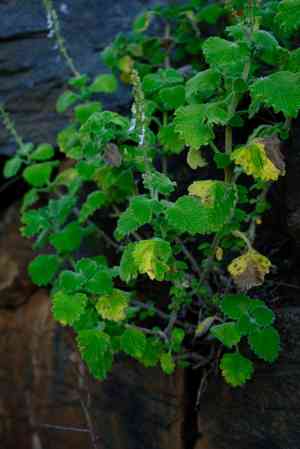
False Boldo, Plectranthus hadiensis (Coleus hadiensis)
Also known as: False Boldo, Plectranthus hadiensis
Coleus hadiensis, commonly known as False Boldo, is a species of flowering plant in the mint family, Lamiaceae. It is native to southern and eastern Africa and is known for its aromatic leaves and upright, shrubby growth habit. The leaves are often used in traditional medicine and for culinary purposes.
In This Article
Attributes of False Boldo, Plectranthus hadiensis
Lifespan
Perennial
Images of False Boldo, Plectranthus hadiensis
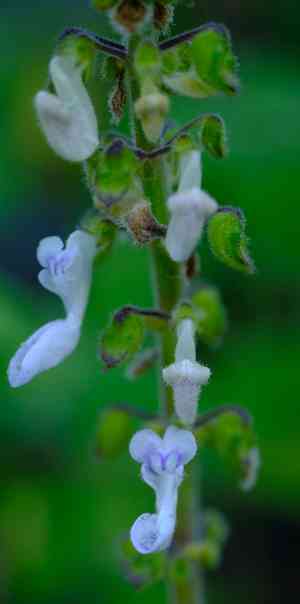
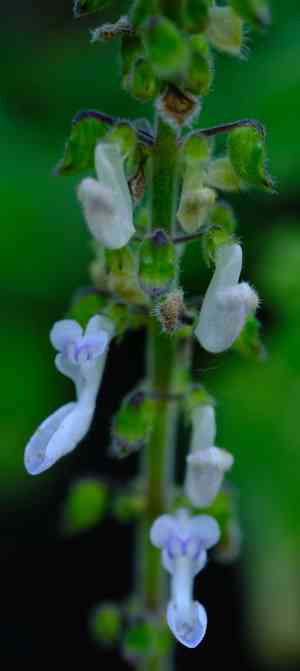
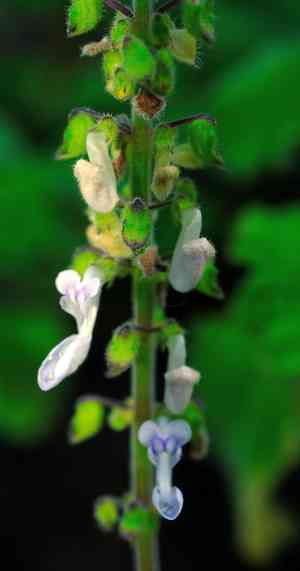
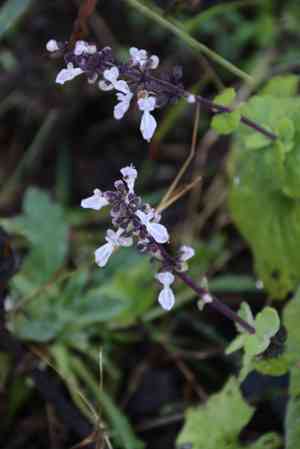
Scientific Classification of False Boldo, Plectranthus hadiensis
Phylum
Magnoliophyta
Class
Magnoliopsida
Order
Lamiales
Family
Lamiaceae
Genus
Plectranthus
Species
hadiensis
Planting and Growing of False Boldo, Plectranthus hadiensis
Care Difficulty
Easy
Watering Schedule
Every 8 days
Sunlight Requirements
Partial sun
Sunshine Duration
6-10 hours
Ideal Temperature
65-75℉
Soil Type
Potting Mix, Peat Mix
Soil pH
6.5-7.5
Fertilizer Type
Balanced
Pruning Season
Spring, Summer
Pruning Area
Branches, Leaves
Pruning Frequency
2 times a year
Repotting Season
Spring
Pot Type
Plastic, Ceramic
 How to Water False Boldo, Plectranthus hadiensis?
For Coleus hadiensis, the watering should ensure that the soil is consistently moist but not waterlogged. A good rule of thumb is to water until excess moisture begins to drain from the bottom of the pot, approximately 250 ml for an average-sized pot. This ensures the roots receive adequate hydration without drowning.
What are the symptoms of an underwatered False Boldo, Plectranthus hadiensis?
›
What should I do if my False Boldo, Plectranthus hadiensis is not getting enough water?
›
What are the symptoms of an overwatered False Boldo, Plectranthus hadiensis?
›
How to save an overwatered False Boldo, Plectranthus hadiensis?
›
 What Are the Sunlight Requirements for False Boldo, Plectranthus hadiensis?
Partial sun ideal for vibrant foliage; Protects from intense heat. Ensures rich leaf color, preventing stretching.
What is the best placement for Coleus hadiensis indoors?
›
Can Coleus hadiensis adapt to outdoor environments?
›
How can you ensure adequate lighting during low light periods?
›
 What Is the Ideal Temperature Range for False Boldo, Plectranthus hadiensis?
The ideal temperature range for growing Coleus hadiensis is between 65°F and 75°F. This range provides an optimal environment for photosynthesis and metabolism. At these temperatures, the plant can efficiently produce energy while minimizing stress, resulting in vibrant growth and foliage.
 What Soil is Best for False Boldo, Plectranthus hadiensis?
Coleus hadiensis thrives in nutrient-rich soils, which means incorporating organic matter like compost is beneficial. This enhances the soil structure, providing essential nutrients and improving moisture retention, which supports healthy growth. A well-draining soil is crucial for preventing waterlogging, as excess water can lead to root rot. Using a mixture that includes sand or perlite maintains aeration and prevents water accumulation around the root system, promoting vigorous plant health. While drainage is essential, maintaining a balance where the soil holds enough moisture without becoming soggy is key. This ensures roots remain hydrated but not oversaturated, which supports steady growth in warmer climates.
 How to Fertilize False Boldo, Plectranthus hadiensis?
When fertilizing Coleus hadiensis, it's important to apply just enough nutrients to support growth without overwhelming the plant. For liquid fertilizer, dilute to half strength to avoid nutrient burn, usually mixing 1 teaspoon per gallon of water.
 How to Prune False Boldo, Plectranthus hadiensis?
Begin by identifying the stems that need pruning to shape the plant. Use sharp shears to trim back any overextended stems. Clip right above a leaf node to encourage branching. Regularly check for and remove wilted or old blooms to direct the plant's energy towards producing healthier and more vibrant foliage. Gently pinch the tips of each stem between your fingers to encourage a bushier appearance. This method helps increase density and promotes lateral growth.
 How to Propagate False Boldo, Plectranthus hadiensis plant?
1
Choose a healthy parent plant with no signs of disease or pest damage. Ensure the plant is well-hydrated a day before taking cuttings to maintain vitality.
2
Cut 4-6 inch sections from the tip of the plant using clean shears. Remove lower leaves to expose nodes where roots will form. Place cuttings immediately in water to prevent dehydration.
3
For seed propagation, sow seeds in a well-draining seed tray filled with a sterile starting mix. Cover lightly with soil, water gently, and keep in a warm area for germination.
 How to Repot False Boldo, Plectranthus hadiensis plant?
1
You’ll know it's time to repot Coleus hadiensis when its roots are peeking through the drainage holes, the plant looks stunted, or the soil dries out quickly after watering. These are clear signs that the pot has become too small to support the plant's needs.
2
Select a pot that is one size larger than the current one, with adequate drainage holes to prevent waterlogging. The new pot should be around 1-2 inches bigger in diameter, ensuring that it provides enough space for your Coleus hadiensis to grow without overwhelming its root system.
3
Use a well-draining potting mix to ensure excess water can escape, preventing root rot. A mixture containing peat, perlite, and some organic matter provides the right balance of moisture retention and aeration, promoting healthy, vigorous growth.
Learn More About False Boldo, Plectranthus hadiensis Diseases
Anthracnose
Bacterial Leaf Spot
Bacterial Soft Rot
Bacterial Wilt
Chemical Injury
Crown Gall
Damping-off
Downy Mildew
Drought Stress
Fusarium Wilt
Gray Mold
Leaf Curl
Leaf Spot
Mosaic
Nutrient Deficiency
Nutrient Toxicity
Powdery Mildew
Root Rot
Root-knot Nematode
Sooty Mold
Spider Mites
Temperature Stress
Thrips Damage
White Mold

