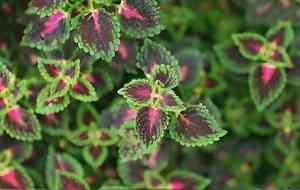
Coleus decurrens (Coleus decurrens)
Also known as: Not Available
Coleus decurrens is a species in the mint family (Lamiaceae). It is known for its vibrant, often variegated leaves and is commonly grown as an ornamental plant.
In This Article
Attributes of Coleus decurrens
Lifespan
Annual or Perennial
Images of Coleus decurrens
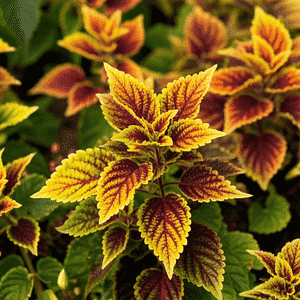
Quickly Identify Coleus decurrens
1
Identify Coleus decurrens by its square stems, opposite leaves, and dense, colorful foliage, often with shades of red, purple, green, and yellow.
Scientific Classification of Coleus decurrens
Phylum
Magnoliophyta
Class
Magnoliopsida
Order
Lamiales
Family
Lamiaceae
Genus
Coleus
Planting and Growing of Coleus decurrens
Care Difficulty
Easy
Watering Schedule
Every 4 days
Sunlight Requirements
Partial sun
Sunshine Duration
4-6 hours
Ideal Temperature
65-75℉
Soil Type
Potting Mix, Peat Mix
Soil pH
6.5-7.5
Fertilizer Type
Balanced
Pruning Season
Spring, Summer
Pruning Area
Branches, Leaves
Pruning Frequency
2 times a year
Repotting Season
Spring
Pot Type
Plastic, Ceramic
 How to Water Coleus decurrens?
For Coleus decurrens, aim to water with about 200 ml each time. Ensure the water reaches the roots but avoid creating soggy soil. The goal is to keep the soil consistently moist but not waterlogged, as excessive water can drown the roots, while too little water stresses the plant.
What are the symptoms of an underwatered Coleus decurrens?
›
What should I do if my Coleus decurrens is not getting enough water?
›
What are the symptoms of an overwatered Coleus decurrens?
›
How to save an overwatered Coleus decurrens?
›
 What Are the Sunlight Requirements for Coleus decurrens?
Coleus decurrens thrives best in partial sun, benefiting from the balance of sunlight and shade. This combination maximizes its growth potential and maintains its vibrant leaf color, significantly enhancing its ornamental value.
Understanding Ideal Light
›
Solution to Achieve Ideal Light
›
Benefits of Ideal Lighting
›
 What Is the Ideal Temperature Range for Coleus decurrens?
The ideal temperature range for Coleus decurrens is between 65°F and 75°F. Within this range, the plant can photosynthesize effectively, ensuring robust growth and vibrant foliage. Maintaining this temperature range also helps in preventing stress-related symptoms and encourages a healthy overall development.
 What Soil is Best for Coleus decurrens?
Coleus decurrens thrives in well-draining soil which prevents root rot by allowing excess water to escape. This promotes healthy root development and ensures the plant doesn't suffer from overwatering. A soil rich in organic matter provides the necessary nutrients for vibrant foliage and growth. The plant benefits from regular feeding, leading to vigorous growth and rich colors. While draining well, the soil should also retain some moisture to maintain consistent hydration. This balance helps the plant to avoid periods of drought stress, ensuring lush and robust foliage.
 How to Fertilize Coleus decurrens?
For Coleus decurrens, ensure you apply fertilizers in moderation. Use a balanced liquid fertilizer at half the recommended dose during the active growing season. Over-fertilization can cause harm, so it's crucial to stick to these guidelines.
 How to Prune Coleus decurrens?
Use sharp, clean scissors or pruning shears to avoid damaging the plant. Begin by removing any dead or yellowing leaves near the base to encourage airflow. Trim back any overextended stems by cutting just above a leaf node to promote new growth. Always aim to shape the plant symmetrically for an even appearance. The best time to prune is early in the morning or late afternoon when the sun is less intense, reducing the stress on the plant. Regular monthly trims keep the plant in optimal health and appearance. Avoid pruning during the peak heat of midday to prevent unnecessary shock to the plant.
 How to Propagate Coleus decurrens plant?
1
Choose a healthy and mature Coleus decurrens plant from which to take cuttings or seeds. It should be free of diseases and have robust growth, as these qualities can influence the success of propagation.
2
A light and well-draining potting mix is ideal for propagating Coleus decurrens. You can use a mix of perlite and peat moss to ensure aeration and moisture retention, helping cuttings to root more efficiently.
3
Use sterilized shears to cut a stem below a node, about 4-6 inches long. Remove the lower leaves and insert the cutting into the propagation medium. Ensure that at least one node is buried to promote root development.
 How to Repot Coleus decurrens plant?
1
Repotting Coleus decurrens should be done when you notice its roots starting to emerge from the drainage holes or the growth appears stunted. This indicates that the plant needs more space. Additionally, if the soil drains poorly or becomes compacted, it may signal the right time for a fresh start with new soil.
2
Select a pot that is one size larger than the current one, with ample drainage holes. A slightly bigger pot ensures that the plant doesn't become waterlogged, promoting air circulation around the roots which is essential for healthy growth. This prevents root rot and encourages vibrant foliage development.
3
Opt for a well-draining potting mix with organic matter. Such soil maintains the perfect balance between moisture retention and drainage, supporting healthy root growth and nutrient uptake. The inclusion of organic matter not only enriches the soil but also enhances its aeration, boosting overall plant vigor.
Toxicity
Unknown
WARNING
The judgment on toxicity and danger is for reference only. We DO NOT GUARANTEE any accuracy of such judgment. Therefore, you SHALL NOT rely on such judgment. It is IMPORTANT TO SEEK PROFESSIONAL ADVICE in advance when necessary.
Learn More About Coleus decurrens Diseases
Anthracnose
Bacterial Leaf Spot
Bacterial Soft Rot
Bacterial Wilt
Black Spot
Chemical Injury
Crown Gall
Damping-off
Downy Mildew
Drought Stress
Fusarium Wilt
Gray Mold
Leaf Curl
Leaf Spot
Mosaic
Nutrient Deficiency
Nutrient Toxicity
Powdery Mildew
Root Rot
Root-knot Nematode
Rusts
Sooty Mold
Spider Mites
Temperature Stress
Thrips Damage
White Mold

