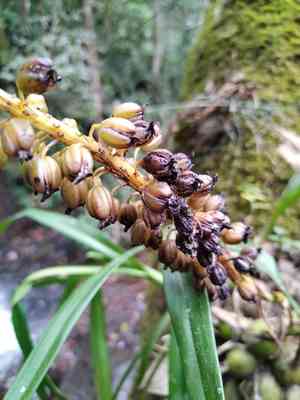
Coelia triptera (Coelia triptera)
Also known as: Three-winged Coelia, Tripetal Coelia
Coelia triptera demonstrates several adaptations that allow it to thrive in the dense forest understory. Its slender and narrow leaves are particularly efficient at capturing the limited sunlight that filters through the forest canopy. This adaptation is crucial for photosynthesis in low-light conditions. Additionally, the orchid's three-winged fruit capsules are a distinctive feature that aids in effective seed dispersal, even within the competitive and crowded forest environment. These characteristics collectively enhance its ability to survive and reproduce in its native habitat.
In This Article
Attributes of Coelia triptera
Lifespan
Perennial
Plant Type
Herb
Plant Height
10-30 cm
Spread
N/A
Leaf Color
Green
Flower Size
1-2 cm
Flower Color
Greenish-white to pinkish
Images of Coelia triptera
Quickly Identify Coelia triptera
1
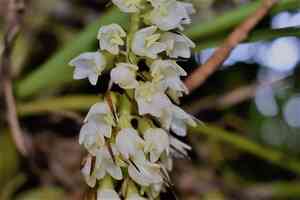
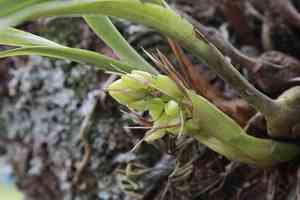
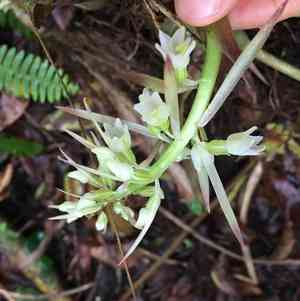
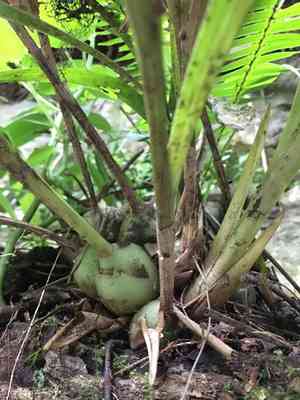
Coelia triptera can be identified by its small, greenish-white to pinkish flowers that have scalloped, wing-like sepals. The plant has relatively slender pseudobulbs and narrow, lanceolate leaves.
Scientific Classification of Coelia triptera
Phylum
Vascular plants
Class
Monocotyledons
Order
Asparagales
Family
Orchid
Genus
Coelia
Species
Coelia triptera
Planting and Growing of Coelia triptera
Care Difficulty
Hard
Watering Schedule
Every 3 days
Sunlight Requirements
Partial sun
Sunshine Duration
4-8 hours
Ideal Temperature
60-75℉
Soil Type
Potting Mix, Peat Mix
Soil pH
6.5-7.5
Fertilizer Type
Balanced
Pruning Season
Spring, Summer
Pruning Area
Branches, Leaves
Pruning Frequency
2 times a year
Repotting Season
Spring
Pot Type
Plastic, Ceramic
 How to Water Coelia triptera?
Coelia triptera requires moderate watering. Ensure that the soil is evenly moist but not soggy. It's best to water until about 200 ml per session is drained through the drainage holes, letting the last droplets indicate saturation.
What are the symptoms of an underwatered Coelia triptera?
›
What should I do if my Coelia triptera is not getting enough water?
›
What are the symptoms of an overwatered Coelia triptera?
›
How to save an overwatered Coelia triptera?
›
 What Are the Sunlight Requirements for Coelia triptera?
Coelia triptera ideally enjoys partial sun conditions. It performs best when it receives 4 to 6 hours of gentle sunlight. Such a range fosters balanced growth, supports flowering, and conserves the bright appearance of its leaves.
What is the ideal lighting condition for Coelia triptera?
›
How can I ensure Coelia triptera gets its ideal lighting?
›
What are the benefits of optimal lighting for Coelia triptera?
›
 What Is the Ideal Temperature Range for Coelia triptera?
The ideal temperature range for Coelia triptera, a type of orchid, is between 60°F and 75°F. This range provides the optimal conditions necessary for healthy growth and flowering. Maintaining these temperatures ensures that the plant can photosynthesize efficiently and develop vibrant blooms. It's crucial to keep the ambient temperature within this range to avoid stress that might otherwise impede the plant’s growth or damage its delicate structure.
 What Soil is Best for Coelia triptera?
Coelia triptera thrives in well-draining soil, ensuring that the roots do not stay waterlogged. This type of soil prevents root rot and allows the plant to absorb necessary nutrients effectively. While drainage is key, the soil should also retain some moisture to provide a consistent supply of water to the plant roots, supporting healthy growth and lush foliage. Rich, loamy soil full of organic matter boosts the plant's growth by providing essential nutrients. Adding compost or natural fertilizers will enhance the soil’s fertility, leading to vibrant blooms.
 How to Fertilize Coelia triptera?
When fertilizing Coelia triptera, use a balanced orchid fertilizer diluted to half-strength. Typically, mixing 1/4 teaspoon of fertilizer per gallon of water works well. This ensures the plant receives adequate nutrition without the risk of fertilizer burn.
 How to Prune Coelia triptera?
Ensure that you are pruning in a well-lit, dry, and ventilated area. This helps the plant recover quicker and minimizes the risk of infection or mold. Coelia triptera is a delicate plant, so handle it gently during pruning. Avoid pulling or snapping stems, as this can cause unnecessary stress to the plant. After pruning, water the plant lightly and apply a balanced fertilizer to support the development of new growth. Monitor the plant closely for any signs of distress.
More About Pruning Techniques→
 How to Propagate Coelia triptera plant?
1
Begin by gently removing the plant from its pot and loosening the surrounding soil. Be careful not to damage the roots during this process, as it can affect the success of the division.
2
Using a sterile knife, carefully divide the root mass into sections. Ensure that each section has at least one bulb or rhizome and a healthy root system. This helps in establishing a strong foundation for each new plant.
3
Place each division into a new pot with fresh potting mix. Water lightly to settle the soil but avoid overwatering, as the new roots are still fragile and can easily rot if kept too moist.
 How to Repot Coelia triptera plant?
1
Coelia triptera shows signs like roots growing out of the pot and a slowed growth rate when it needs repotting. Watch for these indicators, ideally repotting during its active growth season to minimize stress.
2
Select a pot that is just slightly larger than the current one, offering ample drainage. This ensures the plant won't suffer from waterlogging, promoting healthier root development and aeration.
3
Opt for a bark-based, well-draining orchid mix. This type of soil allows for the necessary aeration and drainage, preventing root rot and ensuring the plant's overall vitality and health.
Learn More About Coelia triptera Diseases
Anthracnose
Bacterial Leaf Spot
Bacterial Soft Rot
Bacterial Wilt
Black Spot
Chemical Injury
Crown Gall
Cyst Nematode
Damping-off
Downy Mildew
Drought Stress
Fusarium Wilt
Gray Mold
Leaf Curl
Leaf Spot
Mosaic
Nutrient Deficiency
Nutrient Toxicity
Powdery Mildew
Root Rot
Root-knot Nematode
Rusts
Sooty Mold
Spider Mites
Temperature Stress
Thrips Damage
White Mold



