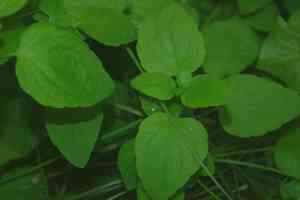
Pilose bellflower (Codonopsis pilosula)
Also known as: Poor man's ginseng
Pilose bellflower is commonly found in sunny meadows, open grasslands, and woodland clearings. Renowned for its bell-shaped blue flowers, it typically blooms in the summer, attracting a variety of pollinators such as bees and butterflies.
In This Article
Attributes of Pilose bellflower
Lifespan
Perennial
Plant Type
Herb
Plant Height
2 m
Spread
50 cm
Leaf Color
Green
Flower Size
2 cm
Flower Color
Yellow Green Purple
Images of Pilose bellflower
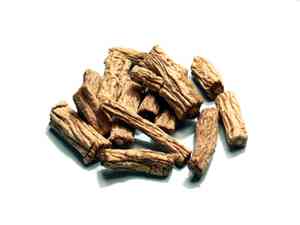
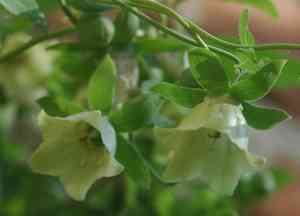
Quickly Identify Pilose bellflower
1
Codonopsis pilosula can be identified by its slender, twining stems that can reach up to 2 meters in length. The leaves are ovate to lanceolate and arranged alternately. The flowers are bell-shaped and are usually pale purple to blue in color.
Scientific Classification of Pilose bellflower
Phylum
Vascular plants
Class
Dicotyledons
Order
Asters bellflowers fanflowers and allies
Family
Bellflower
Genus
Codonopsis
Species
Pilose bellflower
Planting and Growing of Pilose bellflower
Care Difficulty
Easy
Watering Schedule
Every 4 days
Sunlight Requirements
Partial sun
Sunshine Duration
4-8 hours
Ideal Temperature
60-75℉
Soil Type
Potting Mix, Peat Mix
Soil pH
6.5-7.5
Fertilizer Type
Balanced
Pruning Season
Spring, Summer
Pruning Area
Branches, Leaves
Pruning Frequency
2 times a year
Repotting Season
Spring
Pot Type
Plastic, Terracotta
 How to Water Pilose bellflower?
When watering Codonopsis pilosula, aim to provide approximately 300 milliliters of water. This species prefers its soil to be consistently moist but not waterlogged. It is crucial to balance between giving enough water for hydration while avoiding oversaturation, to mimicking its natural habitat where the soil retains slight moisture but allows excess water to drain properly.
What are the symptoms of an underwatered Pilose bellflower?
›
What should I do if my Pilose bellflower is not getting enough water?
›
What are the symptoms of an overwatered Pilose bellflower?
›
How to save an overwatered Pilose bellflower?
›
 What Are the Sunlight Requirements for Pilose bellflower?
Partial sun exposure for Codonopsis pilosula optimizes growth, ensuring vigorous foliage and strong stems without compromising on moisture. This balance leads to improved medicinal properties and overall plant health.
More About Sunlight Requirements Techniques→
What is the best lighting condition for Codonopsis pilosula?
›
How can I achieve ideal lighting for Codonopsis pilosula?
›
What benefits does Codonopsis pilosula get from ideal lighting?
›
 What Is the Ideal Temperature Range for Pilose bellflower?
The ideal temperature range for cultivating Codonopsis pilosula is between 60°F and 75°F. This range provides the optimal conditions for photosynthesis and metabolic processes, ensuring healthy growth and development. Maintaining temperatures within this range will help the plant to establish robust roots and produce quality foliage, essential for both ornamental and medicinal purposes. Deviations from this ideal range, either higher or lower, may stress the plant and inhibit its growth.
 What Soil is Best for Pilose bellflower?
Codonopsis pilosula thrives in well-draining soil which prevents waterlogging. This requirement helps prevent root rot and encourages healthy root system development. A soil with moderate fertility is essential for Codonopsis pilosula because it provides necessary nutrients without overwhelming the plant, allowing balanced growth and effective flowering. Maintaining consistent moisture in the soil is key for Codonopsis pilosula, as it prevents dehydration during dry spells and supports steady plant vitality and, therefore, a longer lifecycle.
 How to Fertilize Pilose bellflower?
For Codonopsis pilosula, also known as Dang Shen, ensure careful calculation of the fertilizer quantity. A balanced liquid fertilizer at half-strength is ideal. Apply about 100 ml of diluted solution per plant. Overuse can harm these delicate roots, so maintain accuracy.
 How to Prune Pilose bellflower?
Begin with a thorough inspection, looking for any dead or damaged stems. Remove these first, cutting back to the base or to healthy tissue, to free the plant from unnecessary stress and potential disease. Next, trim back the plant to maintain its desired size and shape. Make your cuts just above a pair of leaves or leaf nodes. This encourages bushier growth by allowing new shoots to emerge from these nodes. Pay particular attention to dense areas where air circulation might be hampered. Thin out these sections carefully to allow more sunlight and air to penetrate, reducing the risk of fungal infections.
More About Pruning Techniques→
 How to Propagate Pilose bellflower plant?
1
Gather mature seeds from healthy plants in early spring. Make sure the seeds are fully ripe and dry for optimal germination.
2
Select a healthy stem with no signs of disease or pests. Make the cut at an angle and immediately plant it in moist, sterile soil to encourage rooting.
3
Gently dig up mature plants in early spring and separate the rootball into sections. Ensure each section has a healthy root system before replanting in prepared soil.
 How to Repot Pilose bellflower plant?
1
Codonopsis pilosula shows signs like roots growing out of the pot or poor water drainage as indicators for repotting. It's optimal to repot during its dormancy or before active growth resumes to minimize stress.
2
Opt for a pot slightly larger than the current one with good drainage holes to prevent waterlogging. A slightly bigger pot helps in gradual growth without overwhelming the plant, promoting a healthy root system.
3
Select well-draining loamy soil, enriched with organic matter. This type of soil ensures the roots receive adequate oxygen while retaining enough moisture, providing an optimal growing environment for Codonopsis pilosula.
Learn More About Pilose bellflower Diseases
Anthracnose
Bacterial Leaf Spot
Bacterial Soft Rot
Bacterial Wilt
Chemical Injury
Crown Gall
Cyst Nematode
Damping-off
Downy Mildew
Drought Stress
Fusarium Wilt
Gray Mold
Leaf Spot
Mosaic
Nutrient Deficiency
Nutrient Toxicity
Powdery Mildew
Root Rot
Root-knot Nematode
Rusts
Sooty Mold
Spider Mites
Temperature Stress
Thrips Damage
White Mold



