
Coconut palm (Cocos) (Cocos)
Also known as: Coconut
The coconut palm, belonging to a single-species genus within the palm family, is a versatile and essential tree. Known primarily for its fruit, which serves as a key food source globally, the coconut palm also provides materials for construction, energy, and beauty products.
In various cultures, the coconut palm holds deep symbolic and religious significance, often featured in ceremonies and rituals, including weddings and worship practices. Its multifaceted utility and cultural importance make it a vital component in many societies worldwide.
In This Article
Attributes of Coconut palm (Cocos)
Lifespan
Perennial
Plant Height
Up to 30 meters
Spread
6 to 8 meters
Leaf Color
Green
Flower Size
1 to 2 centimeters
Flower Color
Yellow
Images of Coconut palm (Cocos)
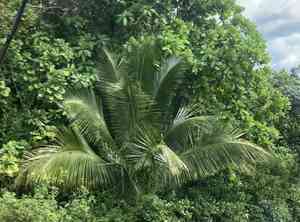
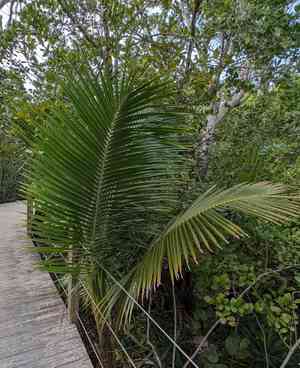


Quickly Identify Coconut palm (Cocos)
1
Identify Cocos nucifera by its tall, slender trunk and large, feathery leaves. The presence of large, round coconuts in clusters is a clear indicator.
Scientific Classification of Coconut palm (Cocos)
Phylum
Magnoliophyta (Angiosperms)
Class
Liliopsida (Monocotyledons)
Order
Arecales
Family
Arecaceae
Genus
Cocos
Planting and Growing of Coconut palm (Cocos)
Care Difficulty
Moderate
Watering Schedule
Every day
Sunlight Requirements
Full sun
Sunshine Duration
6-10 hours
Ideal Temperature
75-95℉
Soil Type
Potting Mix, Peat Mix
Soil pH
6.5-7.5
Fertilizer Type
Balanced
Pruning Season
Spring, Summer
Pruning Area
Branches, Leaves
Pruning Frequency
2 times a year
Repotting Season
Spring
Pot Type
Terracotta, Plastic
 How to Water Coconut palm (Cocos)?
When watering Cocos, aim to moisten the soil thoroughly until water drains out of the bottom of the pot. This indicates that the entire root system has been adequately hydrated. Typically, this means providing around 1000 ml of water per session, depending on pot size and plant age.
What are the symptoms of an underwatered Coconut palm (Cocos)?
›
What should I do if my Coconut palm (Cocos) is not getting enough water?
›
What are the symptoms of an overwatered Coconut palm (Cocos)?
›
How to save an overwatered Coconut palm (Cocos)?
›
 What Are the Sunlight Requirements for Coconut palm (Cocos)?
Cocos thrive under full to partial sun exposure, ideal light helps their leaves develop properly, ensuring a strong structure and maximizing photosynthetic efficiency, thus bolstering their growth and flowering potential.
What is the optimal lighting situation for Cocos?
›
How can I achieve ideal lighting conditions for Cocos?
›
What are the benefits of ideal lighting for Cocos?
›
 What Is the Ideal Temperature Range for Coconut palm (Cocos)?
Cocos palms thrive best in warm tropical climates where the temperature consistently remains within 75°F to 95°F. This range fosters optimal photosynthesis and nutrient absorption, facilitating healthy growth and fruit production. Locations that offer consistent warmth are ideal as fluctuations can stress the plant.
 What Soil is Best for Coconut palm (Cocos)?
Cocos requires soil with excellent drainage to prevent root rot. Sandy soil is ideal since it prevents water from pooling. This ensures healthy root development and vigorous growth. While sandy soil is preferred, the soil should also be nutrient-rich to support Cocos's nutrient demand. Mixing loam in can provide the necessary nutrients while maintaining drainage, promoting lush foliage. Cocos thrives in slightly acidic to neutral soil. A pH between 6.5 and 7.5 ensures optimal nutrient absorption, which contributes to robust health and productivity of the plant.
 How to Fertilize Coconut palm (Cocos)?
For Cocos, the fertilizer amount should be carefully measured to avoid nutrient imbalance. A balanced fertilizer with an N-P-K ratio of 10-10-10 is often recommended, applying approximately 0.5 to 1 pound of fertilizer per mature plant. This optimum amount ensures the plant gets adequate nutrients without the risk of over-fertilization.
 How to Prune Coconut palm (Cocos)?
Look for yellow or brown fronds, as these are the most likely to be dead or diseased. Removing them allows the tree to focus energy on healthier growth. Trim old fronds as close to the trunk as possible, but avoid cutting into the trunk itself to prevent damage. Ensure that all cut fronds and debris are removed from the vicinity. This helps prevent the spread of pests and diseases that can affect the palm.
 How to Propagate Coconut palm (Cocos) plant?
1
Harvest mature coconuts directly from the palm tree. Select seeds that are large, heavy, and show no signs of damage or disease. Leaving them to naturally fall can sometimes also be effective. After selecting, allow the seeds to dry in the sun for a few days to facilitate the germination process.
2
Before planting, soak the seeds in water for 2-3 days. This process helps to soften the hard outer shell, encourages internal moisture absorption, and kick-starts the germination process. Changing the water daily during soaking can prevent the growth of bacteria and fungi.
3
Bury the seeds halfway in a seed starter tray filled with a moist, well-draining soil mix. Position the pointed end upwards to encourage a straight root growth. Maintain a temperature of about 30°C (86°F) to promote germination, as coconuts are tropical plants and appreciate warmth.
 How to Repot Coconut palm (Cocos) plant?
1
Cocos plants signal the need for repotting when roots start coming out of the drainage holes, growth appears stunted, or the soil compacts excessively. An ideal time to repot is during spring or early summer when the plant is in its active growth phase, ensuring it quickly establishes in the new pot.
2
Select a pot that is just slightly larger than the current one, about 2-3 inches wider. This helps avoid excessive soil which can lead to root rot. Opt for a pot with excellent drainage to prevent water accumulation, ensuring the health and vitality of the plant.
3
Choose a well-draining palm mix to provide the Cocos plant with the necessary aeration and drainage. Such a mixture typically contains sand, perlite, and organic matter, which ensures that the roots have access to air and prevents waterlogging, promoting healthy plant growth.

