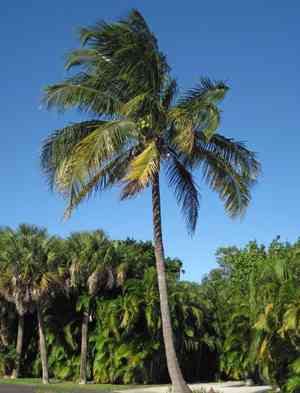
Common coconut palm (Cocos nucifera)
Also known as: Coconut tree
The common coconut palm (Cocos nucifera), an evergreen tree originally from the tropical islands of the Western Pacific, can be found growing in the United States, primarily in Hawaii, southern Florida, and parts of Texas. This palm is well-known for producing coconuts.
In This Article
Attributes of Common coconut palm
Lifespan
Perennial
Plant Type
Palm
Plant Height
15 m to 30 m
Spread
7 m
Leaf Color
Green Yellow
Flower Size
1 cm to 1.5 cm
Flower Color
White Yellow Cream Gray
Images of Common coconut palm



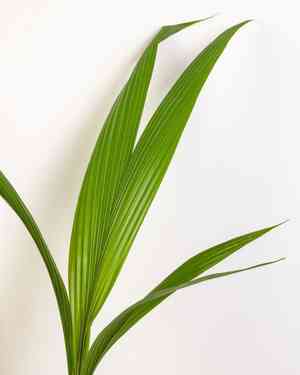
Quickly Identify Common coconut palm
1
Coconut palms are easily identifiable by their tall, slender, and unbranched trunks, which can reach up to 30 meters in height. The leaves are large, pinnate, and evergreen, usually about 4-6 meters long. The fruit, the coconut, has a hard, fibrous outer layer and a large inner seed covered with edible white flesh and water.
Scientific Classification of Common coconut palm
Phylum
Vascular plants
Class
Monocotyledons
Order
Palms, bullanocks, and allies
Family
Palm
Genus
Coconut palm
Species
Common coconut palm
Planting and Growing of Common coconut palm
Care Difficulty
Hard
Watering Schedule
Every 8 days
Sunlight Requirements
Full sun
Sunshine Duration
6-8 hours
Ideal Temperature
75-85℉
Soil Type
Potting Mix, Peat Mix
Soil pH
6.5-7.5
Fertilizer Type
Balanced
Pruning Season
Spring, Summer
Pruning Area
Branches, Leaves
Pruning Frequency
2 times a year
Repotting Season
Spring
Pot Type
Plastic, Ceramic
 How to Water Common coconut palm?
Cocos nucifera, commonly known as the coconut palm, appreciates a deep and thorough watering to ensure the soil is moist but not waterlogged. It's helpful to water until you see excess coming through the drainage holes of the pot, ensuring that the entire root system is nourished.
More About Watering Techniques→
What are the symptoms of an underwatered Common coconut palm?
›
What should I do if my Common coconut palm is not getting enough water?
›
What are the symptoms of an overwatered Common coconut palm?
›
How to save an overwatered Common coconut palm?
›
 What Are the Sunlight Requirements for Common coconut palm?
Cocos nucifera flourishes under full sun conditions. Optimal sunlight leads to vigorous growth, increased coconut yield, and prevents disease susceptibility.
More About Sunlight Requirements Techniques→
What is the best location for Cocos nucifera?
›
How much sunlight does Cocos nucifera require to grow optimally?
›
What happens if Cocos nucifera receives too little light?
›
 What Is the Ideal Temperature Range for Common coconut palm?
Cocos nucifera, commonly known as the coconut palm, thrives in warm climates. For optimal growth, the temperature should ideally range between 75°F to 85°F. These conditions mimic its native tropical environments where both temperature and humidity levels are consistently high, providing the best conditions for photosynthesis, nutrient uptake, and palm health.
 What Soil is Best for Common coconut palm?
Cocos nucifera thrives in well-draining soil as it prevents waterlogging, which can lead to root rot. Maintaining such soil conditions ensures healthy root development and optimal nutrient absorption, leading to robust growth. This plant benefits from soil that is rich in organic matter, as it provides essential nutrients and improves soil structure. A nutrient-rich environment supports the plant's vigorous growth and enhances resilience against pests. Cocos nucifera requires soil that retains moisture without being waterlogged. Proper moisture levels are crucial for consistent hydration, minimizing stress, and supporting healthy plant metabolism and fruit production.
More About Soil→
 How to Fertilize Common coconut palm?
For Cocos nucifera, it's essential to provide moderate amounts of fertilizer to encourage healthy growth. During the growing season, use a balanced fertilizer with equal parts nitrogen, phosphorus, and potassium, at a rate of about 1 tablespoon per gallon of water for liquid fertilizers. For slow-release granules, follow the manufacturer's instructions based on the plant's size.
More About Fertilizing Techniques→
 How to Prune Common coconut palm?
First, inspect the coconut palm for brown, yellow, or damaged fronds, which are clear indicators of which parts need removing. Use a sturdy ladder to safely reach higher fronds and a pair of sharp pruning shears or a handsaw for cutting. Remove fronds that hang at a 90-degree angle or lower, as these are usually older or damaged. When cutting, do so near the base but avoid damaging the trunk itself. Dispose of the removed fronds appropriately to prevent pests from breeding near your palm.
More About Pruning Techniques→
 How to Propagate Common coconut palm plant?
1
Choose seeds from a mature Cocos nucifera fruit. The seed should be brown and dry, indicating it has matured. Inspect the seed for any visible cracks or damage, as these can affect germination.
2
Soak the coconut seed in water for 2-3 days before planting to enhance moisture absorption. This step can help speed up the germination process and give a better initial start for the seed.
3
Fill a pot with sandy potting soil and plant the seed halfway, leaving part exposed. Ensure the pointed end is facing upwards and water the soil thoroughly, keeping it moist but not waterlogged.
 How to Repot Common coconut palm plant?
1
Cocos nucifera needs repotting when its roots outgrow the current pot, emerging through drainage holes, or when growth appears stunted. Spring and summer are ideal, as the plant is in its active growth phase, allowing it to adjust to new soil conditions more easily.
2
Select a pot that is 2-3 inches larger in diameter than the current one. Ensure it has adequate drainage holes to allow excess moisture to escape, preventing root rot. A sturdy, heavy pot can also help balance the plant, which can become top-heavy.
3
Opt for a well-draining sandy mix, rich in organic matter, to mimic its natural habitat. Such soil allows proper drainage and prevents water accumulation, reducing the risk of root rot, while providing nutrients essential for growth.



