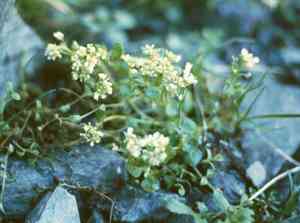
Scurvy-grass (Cochlearia) (Cochlearia)
Also known as: Scurvygrass
Scurvy-grass, belonging to the genus Cochlearia in the Brassicaceae family, consists of both annual and perennial herbaceous plants. These plants are generally low-growing, often reaching heights between 5 and 20 centimeters. The foliage is usually rounded or spoon-shaped and has a fleshy texture, with some species having lobed leaves. The flowers, typically white with four petals, are arranged in short racemes. The genus comprises around 30 species and is found predominantly in temperate and arctic regions of the northern hemisphere.
In This Article
Attributes of Scurvy-grass (Cochlearia)
Lifespan
Biennial
Plant Height
10-30 cm
Spread
N/A
Leaf Color
Green
Flower Size
0.5-1 cm
Flower Color
White
Images of Scurvy-grass (Cochlearia)
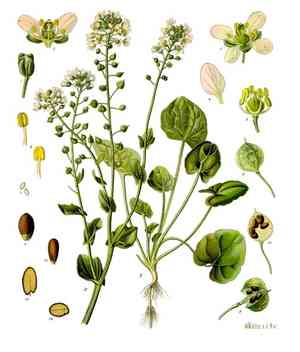
Quickly Identify Scurvy-grass (Cochlearia)
1
Cochlearia can be identified by its fleshy, heart-shaped leaves and clusters of small, white flowers that usually have four petals. The leaves have a peppery taste, and the plant often grows in salty environments such as salt marshes and coastal areas.
Scientific Classification of Scurvy-grass (Cochlearia)
Phylum
Magnoliophyta
Class
Magnoliopsida
Order
Brassicales
Family
Brassicaceae
Genus
Cochlearia
Planting and Growing of Scurvy-grass (Cochlearia)
Care Difficulty
Moderate
Watering Schedule
Every 4 days
Sunlight Requirements
Partial sun
Sunshine Duration
6-10 hours
Ideal Temperature
60-70℉
Soil Type
Potting Mix, Peat Mix
Soil pH
6.5-7.5
Fertilizer Type
Balanced
Pruning Season
Spring, Summer
Pruning Area
Branches, Leaves
Pruning Frequency
2 times a year
Repotting Season
Spring
Pot Type
Plastic, Terracotta
 How to Water Scurvy-grass (Cochlearia)?
When watering Cochlearia, aim for about 250 milliliters, enough to moisten the soil without creating any excess runoff. Ensure the water reaches deeply but avoid waterlogging, as this plant prefers a consistently moist—but not soggy—environment.
What are the symptoms of an underwatered Scurvy-grass (Cochlearia)?
›
What should I do if my Scurvy-grass (Cochlearia) is not getting enough water?
›
What are the symptoms of an overwatered Scurvy-grass (Cochlearia)?
›
How to save an overwatered Scurvy-grass (Cochlearia)?
›
 What Are the Sunlight Requirements for Scurvy-grass (Cochlearia)?
Partial sun, ideally ranging from 4 to 6 hours, promotes a balanced growth environment for Cochlearia, enhancing its natural resilience and overall aesthetics.
What is the best lighting solution for Cochlearia?
›
How should one adjust lighting based on environmental factors?
›
What are the benefits of providing Cochlearia with its ideal lighting?
›
 What Is the Ideal Temperature Range for Scurvy-grass (Cochlearia)?
Cochlearia plants thrive best in a temperature range between 60 and 70 degrees Fahrenheit. This range provides optimal conditions for their metabolic processes, ensuring steady growth and healthy development. Keeping the temperature within this range encourages optimal enzyme activity and efficient nutrient uptake.
 What Soil is Best for Scurvy-grass (Cochlearia)?
Cochlearia thrives in soil that retains moisture well but doesn't become waterlogged. The ability of loamy soil to maintain an ideal moisture balance is crucial for this plant's growth, as it prevents stress from either drought or excess water. This plant benefits greatly from nutrient-rich soil. Loamy soils, rich in organic matter, provide Cochlearia with the essential nutrients it needs for robust growth and resilience against pests and diseases. Cochlearia requires soils with good drainage to avoid root rot. Sandy loam is excellent in this aspect as it has larger particles that facilitate quick drainage, ensuring that the roots are never waterlogged.
 How to Fertilize Scurvy-grass (Cochlearia)?
For Cochlearia, ensure that you use a balanced fertilizer, typically a 10-10-10 NPK (nitrogen, phosphorus, potassium) ratio works well for this plant. Apply liquid fertilizers at a diluted concentration, ideally at half the recommended strength to prevent root burn and encourage healthy growth.
 How to Prune Scurvy-grass (Cochlearia)?
Excessive pruning can be detrimental to Cochlearia, leading to stunted growth or increased susceptibility to disease. It’s important to focus only on the parts that truly need attention, such as the removal of dead leaves or stems that may impede growth. By maintaining moderation in pruning, you ensure the plant remains healthy and capable of quick recovery. Timing is crucial when pruning this plant. While spring and summer are prime times for shaping and encouraging growth, avoid significant pruning in autumn and winter to allow the plant to conserve its energy. Making large cuts during dormant periods can leave the plant vulnerable to harsh weather conditions and hinder its ability to bounce back robustly in the spring.
 How to Propagate Scurvy-grass (Cochlearia) plant?
1
Begin by preparing a well-draining soil mix rich in organic matter. This provides the seeds with essential nutrients and improves moisture retention, promoting successful germination.
2
Sow the Cochlearia seeds evenly on the seed tray. Cover them with a light layer of soil, and ensure they are not buried too deep. Light exposure is necessary for some seeds to germinate.
3
To propagate by division, gently dig out the mature plant and separate the clumps carefully. Each division should have roots and shoots. Replant the divisions immediately to avoid drying out.
 How to Repot Scurvy-grass (Cochlearia) plant?
1
Cochlearia plants need repotting when their roots are visible through the drainage holes, or the plant's growth starts to slow significantly. It's best to tackle this task in spring, as it aligns with their natural growth cycles, ensuring minimal stress and maximum adaptability.
2
Select a pot that is just one size larger than the current one. This prevents root rot caused by excessive soil. The pot should have sufficient drainage holes to prevent waterlogging, retaining a perfect moisture balance. This choice significantly enhances root aeration and overall plant vitality.
3
A well-draining potting mix is ideal for Cochlearia. This type of soil prevents water from accumulating at the roots, which can lead to rot. A blend including perlite, peat, and organic matter ensures a balance between water retention and drainage, promoting healthy root development.

