Coccocypselum (Coccocypselum) (Coccocypselum)
Also known as: None
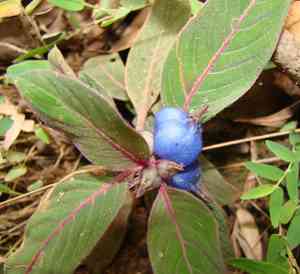
**Coccocypselum** is a genus within the Rubiaceae family. Native to regions such as Mexico, Central America, the West Indies, and South America, these plants are herbaceous and are distinguished by their fleshy blue or purple fruits and flowers that have four petals.
In This Article
Attributes of Coccocypselum (Coccocypselum)
Lifespan
Perennial
Plant Height
0.3 to 1 meter
Spread
0.3 to 0.6 meters
Leaf Color
Green
Flower Size
0.5 to 1 centimeter
Flower Color
Blue
Images of Coccocypselum (Coccocypselum)
Quickly Identify Coccocypselum (Coccocypselum)
1
Coccocypselum plants can be identified by their opposite leaves, small blue flowers, and bright berries. The flowers typically have five lobes and are tubular in shape.
Scientific Classification of Coccocypselum (Coccocypselum)
Phylum
Magnoliophyta
Class
Magnoliopsida
Order
Gentianales
Family
Rubiaceae
Genus
Coccocypselum
Planting and Growing of Coccocypselum (Coccocypselum)
Care Difficulty
Moderate
Watering Schedule
Every 2 days
Sunlight Requirements
Partial sun
Sunshine Duration
6-10 hours
Ideal Temperature
65-75℉
Soil Type
Potting Mix, Peat Mix
Soil pH
6.5-7.5
Fertilizer Type
Balanced
Pruning Season
Spring, Summer
Pruning Area
Branches, Leaves
Pruning Frequency
Once a year
Repotting Season
Spring
Pot Type
Plastic, Ceramic
 How to Water Coccocypselum (Coccocypselum)?
Coccocypselum thrives when the soil is kept consistently moist but not waterlogged. Watering should ensure the soil feels damp to the touch, but avoid standing water which can lead to root rot.
What are the symptoms of an underwatered Coccocypselum (Coccocypselum)?
›
What should I do if my Coccocypselum (Coccocypselum) is not getting enough water?
›
What are the symptoms of an overwatered Coccocypselum (Coccocypselum)?
›
How to save an overwatered Coccocypselum (Coccocypselum)?
›
 What Are the Sunlight Requirements for Coccocypselum (Coccocypselum)?
Coccocypselum enjoys partial shade to full shade, ideally receiving 3 to 6 hours of filtered sunlight daily. These conditions protect foliage integrity and enhance nutrient absorption, promoting robust growth and resistance to environmental stressors.
What is the ideal lighting environment?
›
How can I achieve ideal conditions?
›
What benefits will ideal lighting bring?
›
 What Is the Ideal Temperature Range for Coccocypselum (Coccocypselum)?
The ideal temperature range for Coccocypselum is between 65°F and 75°F. This tropical plant thrives in warm, humid environments, which mimic its natural habitat. Maintaining temperatures within this range promotes optimal growth, flowering, and overall health of the plant. It is crucial to avoid sudden temperature changes to ensure the plant adapts well to its growing environment.
 What Soil is Best for Coccocypselum (Coccocypselum)?
Coccocypselum thrives in loam and sandy loam soils that provide good drainage. Well-draining soil ensures the roots are not waterlogged, preventing root rot and allowing the plant to absorb essential nutrients effectively. The plant prefers soils with moderate fertility that can retain nutrients while providing ample aeration. This balance supports healthy growth, ensuring vibrant foliage and optimal flowering. While drainage is important, the soil should also have some moisture retention properties. This helps keep the plant hydrated during dry spells without causing harmful waterlogging.
 How to Fertilize Coccocypselum (Coccocypselum)?
For Coccocypselum, it's important to provide a balanced fertilizer where the amount ensures optimal growth without causing nutrient burn. Typically, use a liquid fertilizer diluted to half-strength every two weeks during the growing season to supply essential nutrients.
 How to Prune Coccocypselum (Coccocypselum)?
Start by identifying the main stems and any overly long branches. Use a pair of clean, sharp scissors or pruning shears to cut back these branches to maintain a compact shape. Focus on trimming just above the leaf nodes to stimulate new growth and form a fuller plant appearance. Deadheading involves cutting off faded or dead flowers before they can set seed. This process redirects the plant's energy into producing new blooms and foliage, enhancing its overall appearance. Be sure to check for withered blooms regularly to keep the plant thriving.
 How to Propagate Coccocypselum (Coccocypselum) plant?
1
To propagate from seeds, collect the seeds from mature fruits. Ensure the seeds are dry and free from any pulp residues. Store them in a cool, dry place until they're ready to be planted.
2
For cutting propagation, select healthy stems and cut about 4-6 inches in length. Remove the lower leaves, ensuring at least two nodes are buried for optimal root development.
3
Division can be done by gently separating a mature plant into smaller sections, each with roots attached. Use a clean knife to make clean cuts to avoid plant stress.
 How to Repot Coccocypselum (Coccocypselum) plant?
1
Repot Coccocypselum when you notice slow growth or roots emerging from the drainage holes. Spring and summer are ideal seasons when the plant is actively growing, which helps it adjust better to the new pot.
2
Select a pot that is one size larger than the current one, with excellent drainage. A container that's too large can retain excess moisture, leading to root rot, while one that allows drainage prevents water accumulation.
3
Opt for a well-draining potting mix rich in organic matter. This type of soil ensures the roots receive adequate air and nutrients, promoting healthy growth. It also prevents stagnant water around the roots.

