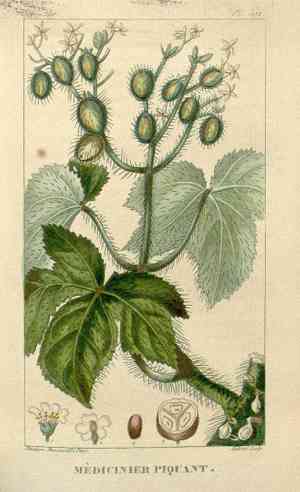
Tropical bull nettle (Cnidoscolus urens)
Also known as: Bull-nettle
Tropical bull nettle is prevalent in the southeastern United States, often inhabiting dry, sandy environments like beach dunes. Contact with its leaf and stem hairs can cause a painful burning sensation due to the release of toxic chemicals.
In This Article
Attributes of Tropical bull nettle
Lifespan
Perennial
Plant Type
Herb, Shrub
Plant Height
50 cm to 1.5 m
Spread
Approximately 1 to 1.5 meters
Leaf Color
Green
Flower Size
1-2 centimeters
Flower Color
White
Images of Tropical bull nettle
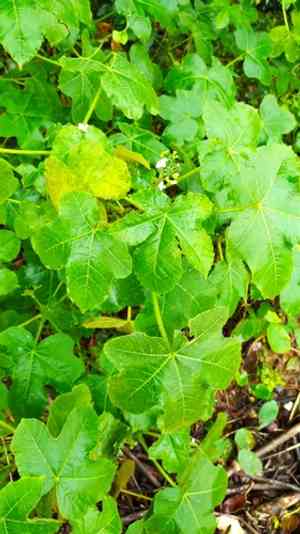
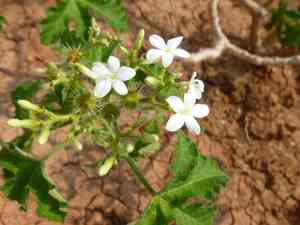
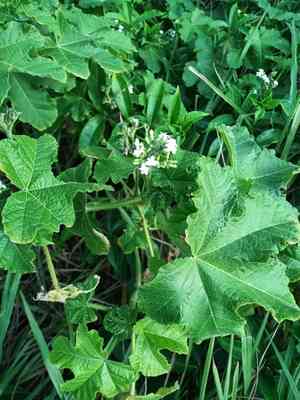
Quickly Identify Tropical bull nettle
1
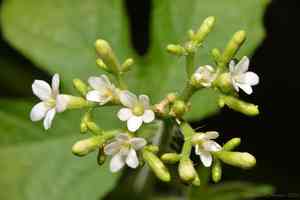
Cnidoscolus urens can be identified by its large, lobed leaves and the presence of stinging hairs on its stems and leaves. It also produces small, white flowers.
Scientific Classification of Tropical bull nettle
Phylum
Vascular plants
Class
Dicotyledons
Order
Malpighiales
Family
Spurge
Genus
Cnidoscolus
Species
Tropical bull nettle
Planting and Growing of Tropical bull nettle
Care Difficulty
Hard
Watering Schedule
Every 2 days
Sunlight Requirements
Partial sun
Sunshine Duration
4-6 hours
Ideal Temperature
70-85℉
Soil Type
Potting Mix, Peat Mix
Soil pH
6.5-7.5
Fertilizer Type
Balanced
Pruning Season
Spring, Summer
Pruning Area
Branches, Leaves
Pruning Frequency
2 times a year
Repotting Season
Spring
Pot Type
Ceramic, Plastic
 How to Water Tropical bull nettle?
For Cnidoscolus urens, it is crucial to adhere to a watering principle of keeping the soil moist but not waterlogged. Aim for about 500 milliliters of water each time, which should be just enough to allow the excess to drain out of the pot, ensuring the roots are adequately hydrated without being submerged in standing water.
What are the symptoms of an underwatered Tropical bull nettle?
›
What should I do if my Tropical bull nettle is not getting enough water?
›
What are the symptoms of an overwatered Tropical bull nettle?
›
How to save an overwatered Tropical bull nettle?
›
 What Are the Sunlight Requirements for Tropical bull nettle?
Partial sun to full sun exposure results in robust growth and vibrant health, sustaining its stunning foliage and prolific flowering capabilities.
Optimum Sunlight Requirements
›
Achieving Correct Light Exposure
›
Benefits of Ideal Lighting
›
 What Is the Ideal Temperature Range for Tropical bull nettle?
The ideal temperature range for Cnidoscolus urens is between 70°F and 85°F. This range ensures optimal growth and development, as it mimics the tropical and subtropical climates where the plant naturally thrives. Consistently maintaining temperatures within this range facilitates proper physiological processes, including photosynthesis and respiration.
 What Soil is Best for Tropical bull nettle?
Cnidoscolus urens thrives in well-drained soils which prevent waterlogging and root rot, ensuring healthy root development. Such soils help the plant absorb essential nutrients effectively. The plant prefers soils with moderate fertility levels, which provide adequate nutrients without overwhelming the root system. This balance supports steady growth and vigorous health. A soil pH ranging from 6.5 to 7.5 is ideal for Cnidoscolus urens. This range allows optimal nutrient availability and uptake, promoting lush foliage and robust development.
 How to Fertilize Tropical bull nettle?
Cnidoscolus urens, also known as the stinging nettle, requires a balanced approach in fertilization. Apply liquid fertilizer at a dilution of 1:10 to avoid burning the roots. For slow-release fertilizer, use about 50 grams per plant annually to ensure steady nutrient release. This balance helps maintain healthy growth and resilience against environmental stressors.
 How to Prune Tropical bull nettle?
Select sharp and clean pruning shears to ensure clean cuts which facilitate faster healing. For thicker branches, you might require loppers. Having the right tools reduces damage to the plant. Begin by identifying any dead or damaged branches. These can easily be spotted as they might look discolored or dried out. Removing them helps prevent disease spread within the plant. When pruning, make your cuts at a 45-degree angle to allow for water runoff, preventing diseases that arise from water settling on cut surfaces. This technique also promotes optimal healing. Prune to shape the plant by cutting branches back to a node or bud pointing in the desired growing direction. This stimulates growth in that direction, allowing you to train the plant’s form.
More About Pruning Techniques→
 How to Propagate Tropical bull nettle plant?
1
Gather seeds from mature Cnidoscolus urens plants once they have dried on the plant. Ensure seeds are viable by checking for full, robust seeds rather than shriveled or empty ones.
2
Select healthy, disease-free stems and cut them at an angle to increase the surface area for rooting. Remove leaves from the bottom half of the stem to encourage root growth.
3
Place prepared cuttings in water or a moist growing medium. Keep them in a warm, humid environment to promote root development and prevent wilt.
 How to Repot Tropical bull nettle plant?
1
Monitor for signals like roots growing through drainage holes, slowed growth, or compacted soil. These indicate it's prime time to repot, ensuring your spiny Cnidoscolus urens continues to thrive with ample space and resources.
2
Opt for a pot that's a couple of inches larger in diameter than the current one, with ample drainage holes. This size gives roots room to expand without excess soil that retains too much moisture, curbing risks of root rot.
3
A well-draining sandy loam mixture is best, providing essential nutrients while preventing water from pooling. This composition mimics the plant's natural habitat, promoting healthy growth and structural stability.
Toxicity
Contact with skin or ingestion
WARNING
The judgment on toxicity and danger is for reference only. We DO NOT GUARANTEE any accuracy of such judgment. Therefore, you SHALL NOT rely on such judgment. It is IMPORTANT TO SEEK PROFESSIONAL ADVICE in advance when necessary.



