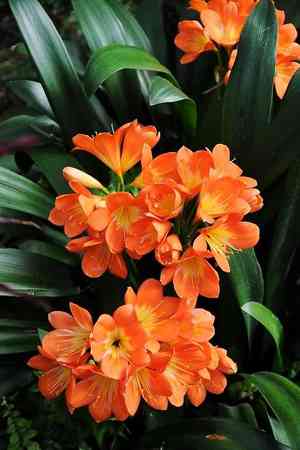
Bush lily(Clivia miniata)

Bush lily (Clivia miniata)

Also known as: Fire lily

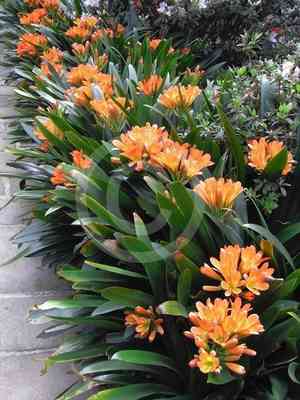
The bush lily, native to South Africa, flourishes in shaded or semi-shaded woodland settings. This flowering plant emits a pleasant fragrance but is toxic if ingested. In natural habitats, bush lilies often grow in dense clusters.

Attributes of Bush lily

Lifespan
Perennial
Plant Type
Herb
Plant Height
45 cm to 60 cm
Spread
60 cm to 90 cm
Leaf Color
Green
Flower Size
2 cm
Flower Color
Orange Yellow Red

PlantJoy - Identify plants with a snap

Identify and diagnose plants, get toxicity alerts, and explore safety guides for all types of fungi.

Try for Free

Images of Bush lily

Bush lily(Clivia miniata)

Quickly Identify Bush lily

1
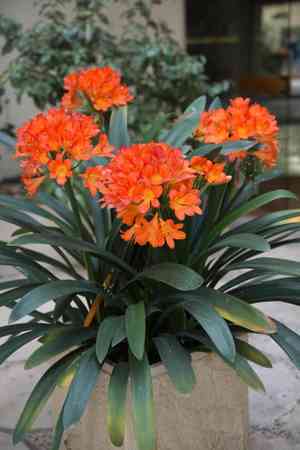
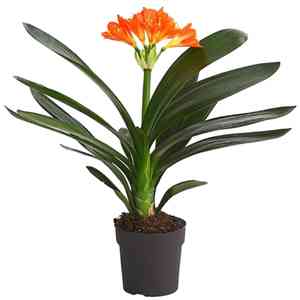
Strap-like leaves, 2 feet (60 cm) long, glossy and dark green, creating a lush backdrop.
2
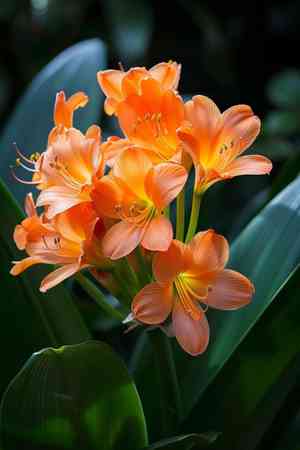
Clusters of pale orange blossoms atop erect stalks, contrasting with deep green foliage.
3
Large, funnel-shaped flowers, 2-3 inches (5-7.5 cm), vibrant shades of yellow, orange, and red.
4
Fruit with bright red, fleshy berries, 1/2 inch in diameter, containing large round seeds.
5
Basal leaves forming a graceful arch, 2-3 feet (60-90 cm) long, bright green and strap-shaped.

Scientific Classification of Bush lily

Phylum
Vascular plants
Class
Monocotyledons
Order
Asparagus and allies
Family
Amaryllis
Genus
Natal lilies
Species
Bush lily

Planting and Growing of Bush lily

Care Difficulty
Easy
Watering Schedule
Every 2 days
Sunlight Requirements
Partial sun
Sunshine Duration
6-10 hours
Ideal Temperature
60-70℉
Soil Type
Potting Mix, Peat Mix
Soil pH
6.5-7.5
Fertilizer Type
Balanced
Pruning Season
Spring, Summer
Pruning Area
Branches, Leaves
Pruning Frequency
2 times a year
Repotting Season
Spring
Pot Type
Plastic, Ceramic

water icon How to Water Bush lily?

Clivia miniata prefers to have its soil dried partially between waterings. Aim for 250 mL of water per session, making sure the water reaches the roots without leaving the soil soggy. This creates a balance between moisture and aeration, crucial for healthy root development.
What are the symptoms of an underwatered Bush lily?
What should I do if my Bush lily is not getting enough water?
What are the symptoms of an overwatered Bush lily?
How to save an overwatered Bush lily?
More About Watering Techniques

sunlight icon What Are the Sunlight Requirements for Bush lily?

Sunlight Requirements: Partial sun, Full shade
Duration of light: 3 to 5 hours daily
Cylicia miniata prefers a mix of partial sun and full shade, enhancing its health and promoting lush foliage and vibrant blooms. Ideal lighting ensures strong growth and maximum flowering potential.
What is the best place for positioning Clivia miniata?
How can I manage the plant's light exposure indoors?
Why is proper lighting crucial for Clivia miniata?
More About Sunlight Requirements Techniques

temperature icon What Is the Ideal Temperature Range for Bush lily?

Ideal Temperature: 60 ~ 70℉
The ideal temperature range for Clivia miniata is between 60°F and 70°F. Temperatures within this range support optimal growth and development, ensuring the plant remains healthy and vibrant. Too high or too low temperatures can stress the plant, affecting its flowering and foliage.

soil icon What Soil is Best for Bush lily?

Soil type: Loam, Sandy loam
Soil PH: 6.5 ~ 7.5
Clivia miniata thrives in soil that allows for excess water to drain efficiently. This prevents root rot, a common issue in overly wet conditions, and keeps the roots healthy by ensuring proper oxygenation. A well-draining soil structure supports robust growth and vibrant blooms. A nutrient-rich soil supports the lush foliage and vibrant blooms that Clivia miniata is known for. The presence of essential nutrients, such as nitrogen, phosphorus, and potassium, promotes healthy growth, strong root development, and vibrant flower production. While Clivia miniata needs well-draining soil, it also benefits from soil that holds moderate moisture. This balance helps maintain the necessary hydration without the risk of waterlogging, providing a stable environment that supports consistent growth. More About Soil

fertilize icon How to Fertilize Bush lily?

Fertilizer type: Balanced
For Clivia miniata, apply a balanced liquid fertilizer at half strength. Ensure that the soil is moist before fertilizing to prevent root burn. An adequate amount would be approximately 1 tablespoon per gallon of water. More About Fertilizing Techniques

prune icon How to Prune Bush lily?

Pruning Time: Spring, Summer, Autumn
Begin by closely inspecting Clivia miniata for any yellowing, brown, or damaged leaves. These should be removed to prevent decay and improve the plant's appearance and health. Gently trim away old, spent leaves at their base using sterilized scissors. Focus on leaves that are drooping or those that no longer contribute to the plant's aesthetics. Proper pruning will allow more light and air to reach the inner parts of the plant. After pruning, focus on providing optimal growing conditions such as adequate light and moisture. This encourages Clivia miniata to produce new, vibrant growth and blooms in subsequent seasons. More About Pruning Techniques

propagate icon How to Propagate Bush lily plant?

Propagate Time: Late winter, Early spring
1
Use a sterile and well-draining potting mix in your seed trays. Moisten the soil slightly without making it soggy. Sow Clivia miniata seeds by placing them on the surface and lightly covering them with a thin layer of soil.
2
Carefully remove the Clivia plant from its pot. Shake off excess soil and gently separate the offsets or young plants from the main clump using a sharp knife. Ensure each division has roots attached for successful propagation.
3
If using division propagation, position newly cut divisions in individual pots with a fresh potting mix. Ensure the crown is at soil level and water sparingly to aid in establishment without causing rot.
More About Propagating Techniques

repot icon How to Repot Bush lily plant?

Repotting frequency: Every 2 to 3 years
1
You should consider repotting your Clivia miniata when you notice signs of the plant becoming root-bound. This means the roots are circling the bottom of the pot or emerging from the drainage holes. Typically, this occurs every 2 to 3 years. Additionally, if you notice the soil isn't retaining moisture well or is compacted, it might be time for a repot.
2
Select a pot that is only a couple of inches larger in diameter than the current one to avoid excess soil that retains too much moisture. The pot should have ample drainage holes to prevent waterlogging, which can lead to root rot. Clay pots are a good choice because they facilitate better air circulation to the roots, keeping them healthy.
3
Opt for a well-draining potting mix, ideally one that includes elements like perlite or sand, to aid in aeration and drainage. This kind of soil prevents root rot by ensuring the roots aren't sitting in soggy conditions. A mix that holds just enough moisture while allowing excess water to drain will create a thriving environment for Clivia miniata.
More About Repotting Techniques

PlantJoy - Identify plants with a snap

Find the best spots for them to optimize their health, simply using your phone.

Try for Free

Toxicity of Bush lily

Is Bush lily toxic to cat?

The Bush lily, scientifically known as Clivia miniata, poses a significant toxicity risk to cats, and immediate veterinary intervention may be necessary to avert fatal consequences following ingestion. All components of the plant are toxic, yet the bulbs are especially hazardous. Potential symptoms of poisoning can consist of vomiting and diarrhea, while excessive consumption may lead to severe complications such as convulsions, tremors, and critical heart problems.

Is Bush lily toxic to dog?

The bush lily, as a whole, poses a moderate level of toxicity to dogs; however, its bulbs and berries are particularly harmful. Dogs often experience illness after excavating and consuming the bulbs. Symptoms can manifest as heart irregularities and severe dehydration resulting from vomiting and diarrhea, depending on the quantity ingested. It is strongly recommended that a veterinarian be consulted.

Identify toxic plants for your safety

Learn which plants are harmful to you and your pets, and make informed choices for a safer home!

Try for Free
WARNING
The judgment on toxicity and danger is for reference only. We DO NOT GUARANTEE any accuracy of such judgment. Therefore, you SHALL NOT rely on such judgment. It is IMPORTANT TO SEEK PROFESSIONAL ADVICE in advance when necessary.
More About Toxic Techniques