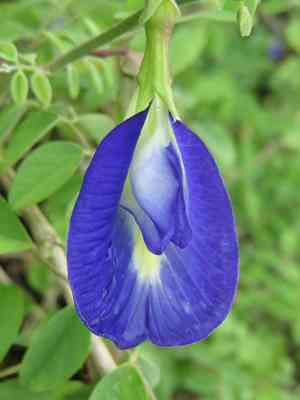
Pigeonwings (Clitoria) (Clitoria)
Also known as: Butterfly pea, Asian pigeonwings, Blue pea
Pigeonwings, notably the butterfly pea (Clitoria ternatea), are prized in gardens for their striking blue or white flowers that bring vibrant color. These evergreen vines are adaptable, flourishing in a range of climates from temperate to tropical. Gardeners often grow them on trellises, fences, or arbors to create vertical interest and lush greenery. Their ease of cultivation, coupled with their ability to attract pollinators like bees and butterflies, makes them a popular choice for enhancing garden aesthetics and biodiversity.
In This Article
Attributes of Pigeonwings (Clitoria)
Lifespan
Perennial
Plant Height
1.5 - 3 meters (5 - 10 feet)
Spread
0.5 - 1 meter
Leaf Color
Green
Flower Size
4 - 5 centimeters
Flower Color
Blue, White
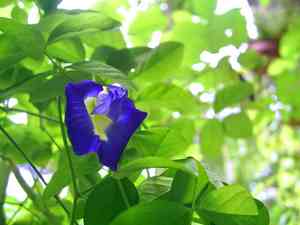
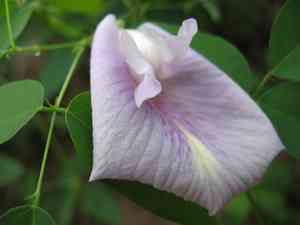
Images of Pigeonwings (Clitoria)
Quickly Identify Pigeonwings (Clitoria)
1
Clitoria can be identified by its brilliant blue or white flowers, typically with a yellow or white center, and its climbing, vine-like growth habit. The leaves are pinnate with oval leaflets.
Scientific Classification of Pigeonwings (Clitoria)
Phylum
Magnoliophyta
Class
Magnoliopsida
Order
Fabales
Family
Fabaceae
Genus
Clitoria
Planting and Growing of Pigeonwings (Clitoria)
Care Difficulty
Easy
Watering Schedule
Every 8 days
Sunlight Requirements
Partial sun
Sunshine Duration
6-10 hours
Ideal Temperature
70-85℉
Soil Type
Potting Mix
Soil pH
6.5-7.5
Fertilizer Type
Balanced
Pruning Season
Spring, Summer
Pruning Area
Branches, Leaves
Pruning Frequency
2 times a year
Repotting Season
Spring
Pot Type
Plastic, Ceramic
 How to Water Pigeonwings (Clitoria)?
Clitoria plants require a consistent moisture level, with soil that is kept moist but not soggy. A watering of roughly 250 milliliters is ideal, allowing the water to reach the root level while avoiding waterlogging.
What are the symptoms of an underwatered Pigeonwings (Clitoria)?
›
What should I do if my Pigeonwings (Clitoria) is not getting enough water?
›
What are the symptoms of an overwatered Pigeonwings (Clitoria)?
›
How to save an overwatered Pigeonwings (Clitoria)?
›
 What Are the Sunlight Requirements for Pigeonwings (Clitoria)?
Partial sunlight conditions are ideal, ensuring Clitoria receives both the energy required for photosynthesis and protection from intense midday heat. This balance results in a robust, floriferous plant.
What is the best location for Clitoria?
›
How to provide Clitoria with the ideal lighting?
›
What are the benefits of ideal light for Clitoria?
›
 What Is the Ideal Temperature Range for Pigeonwings (Clitoria)?
The ideal temperature range for Clitoria is between 70°F and 85°F. Within this range, the plant exhibits optimal growth, showing vibrant foliage and abundant flowering. Maintaining these conditions supports its metabolic processes and overall health, allowing it to thrive and reproduce effectively.
 What Soil is Best for Pigeonwings (Clitoria)?
Clitoria thrives in well-drained soil as it allows excess water to escape, preventing root rot. This ensures healthy plant growth and vibrant blooms. Rich in organic matter, such soil supports the plant’s nutritional needs and boosts growth performance, making it ideal for producing lush leaves and abundant flowers. Moderate moisture levels keep Clitoria hydrated without waterlogging the roots, fostering a healthy balance of water and air in the root zone.
 How to Fertilize Pigeonwings (Clitoria)?
For Clitoria plants, a balanced fertilizer is ideal. Use 5-10-10 NPK for robust growth. For liquid fertilizers, apply 1 teaspoon per gallon of water, ensuring the soil is evenly moistened without drowning the roots, which ensures the plant gets consistent nutrients without overloading.
 How to Prune Pigeonwings (Clitoria)?
Start by inspecting the plant for dead or damaged stems. Use a pair of clean, sharp pruning shears to remove these unwanted parts. Focus on enhancing the plant's overall shape by cutting back overly long branches. Aim to cut just above a node to encourage new, vigorous growth.
 How to Propagate Pigeonwings (Clitoria) plant?
1
Collect mature seeds from the pods of the Clitoria plant. The pods should be brown and dry. Store seeds in a cool, dry place if not planting immediately.
2
Select a healthy plant and cut a section of softwood stem about 6 inches long. Remove the leaves from the lower half to prepare them for planting.
3
Dip the cut end of the cutting in rooting hormone and plant it in well-draining soil. Keep the soil moist and cover the pot with a plastic bag to maintain humidity.
 How to Repot Pigeonwings (Clitoria) plant?
1
Clitoria typically shows signs of needing repotting when you notice that its roots are protruding from the drainage holes, or the growth seems stunted due to root-bound conditions. Ideally, repot in early Spring or Summer when the plant is actively growing, ensuring it can recover and thrive in its new pot.
2
Select a pot that is one size larger than the current one, ideally with a good drainage system. Using a pot that's too large can lead to water retention issues, while one that's too small won't allow for proper root expansion, affecting the plant’s overall health.
3
For Clitoria, choose a well-draining soil mix that includes components like perlite or sand. This helps prevent waterlogging, which can lead to root rot. The ability to maintain a balance between moisture and aeration supports healthy root development and strong plant growth.
Learn More About Pigeonwings (Clitoria) Diseases
Anthracnose
Bacterial Leaf Spot
Bacterial Wilt
Crown Gall
Cyst Nematode
Damping-off
Downy Mildew
Drought Stress
Fusarium Wilt
Gray Mold
Leaf Curl
Leaf Spot
Mosaic
Nutrient Deficiency
Nutrient Toxicity
Powdery Mildew
Root Rot
Root-knot Nematode
Rusts
Sooty Mold
Spider Mites
Temperature Stress
Thrips Damage
White Mold

