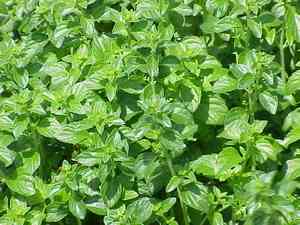
Lesser calamint (Clinopodium nepeta)
Also known as: Mill mountain, Nepitella, Field balm, Mountain mint
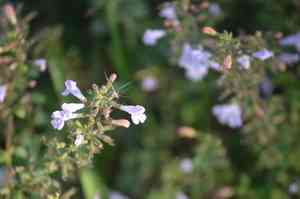
Lesser calamint (Clinopodium nepeta) is a perennial shrub in the mint family. Its leaves resemble those of oregano more than typical mint leaves, and it has a scent that is a mix of mint and oregano. The plant produces lavender-pink flowers that are particularly appealing to bees and butterflies.
In This Article
Attributes of Lesser calamint
Lifespan
Perennial
Plant Type
Herb, Shrub
Plant Height
46 cm
Spread
30 cm to 60 cm
Leaf Color
Green Gray Silver
Flower Size
2.5 cm
Flower Color
White Purple
Images of Lesser calamint
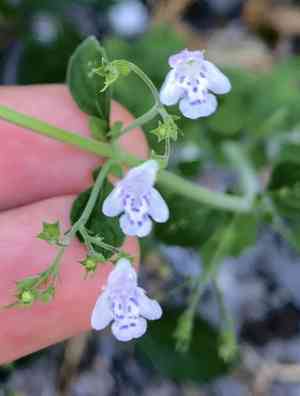
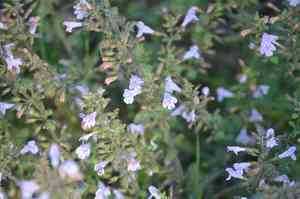
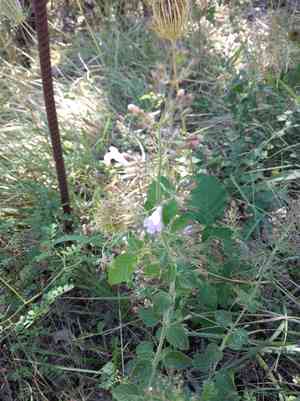
Quickly Identify Lesser calamint
1
Fragrant ovate leaves, gray-green with velvety texture, emit minty-lemon scent when crushed.
2
Tubular flowers in white, pink, lavender clusters bloom from late summer to autumn.
3
Two-lipped delicate flowers in white, pink, lavender attract pollinators with a pleasant fragrance.
4
Upright leafy stems grow up to 18 inches (45 cm) tall, adorned with colorful blossoms.
5
Pinnate vein pattern and slightly serrated margins on 1-2 inches (2.5-5 cm) ovate leaves.
Scientific Classification of Lesser calamint
Phylum
Vascular plants
Class
Dicotyledons
Order
Lamiales
Family
Mint
Genus
Clinopodium
Species
Lesser calamint
Planting and Growing of Lesser calamint
Care Difficulty
Easy
Watering Schedule
Every 4 days
Sunlight Requirements
Partial sun
Sunshine Duration
4-6 hours
Ideal Temperature
60-75℉
Soil Type
Potting Mix, Peat Mix
Soil pH
6.5-7.5
Fertilizer Type
Balanced
Pruning Season
Spring, Summer
Pruning Area
Branches, Leaves
Pruning Frequency
2 times a year
Repotting Season
Spring
Pot Type
Terracotta, Plastic
 How to Water Lesser calamint?
Clinopodium nepeta prefers to be moderately watered. It should be kept consistently moist, meaning the top 2 inches of soil should dry out slightly before the next watering. The 250 ml water amount is enough to moisten the soil without causing waterlogging.
What are the symptoms of an underwatered Lesser calamint?
›
What should I do if my Lesser calamint is not getting enough water?
›
What are the symptoms of an overwatered Lesser calamint?
›
How to save an overwatered Lesser calamint?
›
 What Are the Sunlight Requirements for Lesser calamint?
A location offering partial to full sun is ideal for Clinopodium nepeta, promoting lush, bushy growth and maximizing its fragrant properties, vital for aesthetics and appeal.
More About Sunlight Requirements Techniques→
How much sunlight is ideal for Clinopodium nepeta?
›
What solutions are there to achieve ideal light?
›
What benefits arise from ideal lighting for Clinopodium nepeta?
›
 What Is the Ideal Temperature Range for Lesser calamint?
For optimal growth, Clinopodium nepeta thrives in temperatures ranging from 60 to 75 degrees Fahrenheit. This range supports robust metabolic activity and proper physiological functions, ensuring the plant maintains healthy growth and development. Keeping the temperature within this range minimizes stress, promoting the best conditions for flowering and vegetative growth.
 What Soil is Best for Lesser calamint?
Clinopodium nepeta thrives in well-drained soil, as it prevents waterlogging. Proper drainage is crucial for this plant to avoid root rot and promotes healthy root growth. The plant prefers soil with moderate fertility, ensuring there are enough nutrients to support its growth without overwhelming it. This balance helps in maintaining a robust plant structure. A soil pH of between 6.5 and 7.5 is ideal, facilitating optimal nutrient uptake, which translates to healthier foliage and blooms.
 How to Fertilize Lesser calamint?
Clinopodium nepeta typically requires a balanced approach to fertilization. When it comes to liquid fertilizer, a dilution of around 50% to 75% of the standard recommendation is usually sufficient. For slow-release granules, one should aim for about 1 to 2 tablespoons per square foot, depending on soil conditions and plant vigor.
 How to Prune Lesser calamint?
Begin by removing any dead or diseased stems to prevent the spread of infection. Cut these sections back to healthy, green growth, ensuring to dispose of the cuttings properly. Trim back long or uneven growth to maintain a nice, rounded shape. This not only helps the plant grow more evenly but also encourages the development of a robust and aesthetically pleasing appearance. Regularly pinch off spent flowers and trim back the tips of the stems. This will promote bushier growth and more blooms. Ensure that when you prune, you are cutting just above a leaf node, which is where new growth will sprout.
More About Pruning Techniques→
 How to Propagate Lesser calamint plant?
1
Start by collecting seeds from the pods once they have matured but before they have dispersed. Sow them in a seedling tray with a fine potting mix, keeping them warm and moist until germination occurs.
2
Select healthy stems and use sterilized shears to cut below a node. Remove the lower leaves and place the cuttings in water or a moist potting medium. Ensure high humidity and indirect light for successful rooting.
3
Carefully lift the whole plant from the ground or pot. Gently tease apart the roots to separate sections with their own stems and roots. Replant each division promptly, watering it and placing it in a suitable location.
 How to Repot Lesser calamint plant?
1
Repot Clinopodium nepeta when you notice roots emerging from the drainage holes or when the growth seems stunted. This indicates that the plant has outgrown its pot and needs more space to flourish.
2
Select a pot that is one size larger than the current one. Ensure it has adequate drainage holes to prevent waterlogging, which can lead to root rot. A slightly larger pot provides the roots with enough space to grow without overwhelming the plant.
3
Use a well-draining potting mix rich in organic matter to provide the necessary nutrients. Good drainage is essential to prevent root rot and promote healthy root development. Perlite or sand can be added to improve aeration.
Learn More About Lesser calamint Diseases
Anthracnose
Bacterial Leaf Spot
Bacterial Soft Rot
Damping-off
Downy Mildew
Fusarium Wilt
Gray Mold
Leaf Spot
Mosaic
Powdery Mildew
Root Rot
Root-knot Nematode
Rusts
Sooty Mold
White Mold
Chemical Injury
Drought Stress
Nutrient Deficiency
Nutrient Toxicity
Temperature Stress
Spider Mites
Thrips Damage



