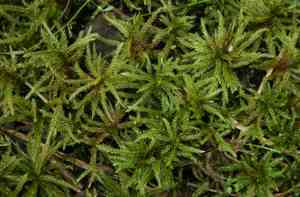
Climacium mosses (Climacium) (Climacium)
Also known as: Climacium moss
*Climacium* mosses represent a small genus with only a handful of species. These mosses thrive in damp woodland areas throughout Eurasia, Australia, and North America. They are particularly notable for their tree-like structures, making them popular for ornamental use.
In This Article
Attributes of Climacium mosses (Climacium)
Lifespan
Perennial
Plant Height
up to 10 cm
Spread
not applicable
Leaf Color
green
Flower Size
not applicable
Flower Color
not applicable
Images of Climacium mosses (Climacium)
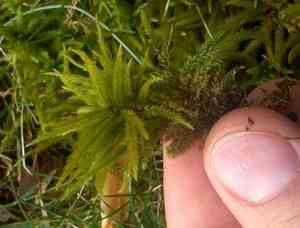
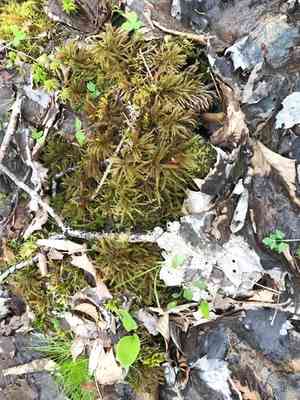
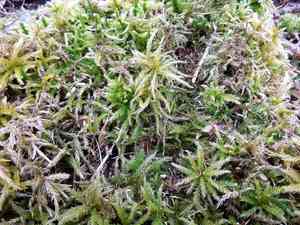
Quickly Identify Climacium mosses (Climacium)
1
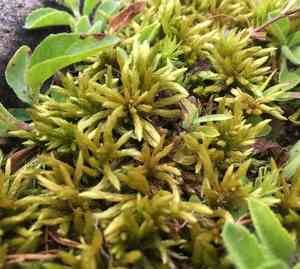
Climacium mosses can be identified by their distinctive tree-like structure. They have a central \'trunk\' with radiating branches that resemble a small tree. The leaves are small, lance-shaped, and arranged spirally around the stem.
Scientific Classification of Climacium mosses (Climacium)
Phylum
Bryophyta
Class
Bryopsida
Order
Hypnales
Family
Climaciaceae
Genus
Climacium
Planting and Growing of Climacium mosses (Climacium)
Care Difficulty
Hard
Watering Schedule
Every 3 days
Sunlight Requirements
Partial sun
Sunshine Duration
6-10 hours
Ideal Temperature
60-75℉
Soil Type
Potting Mix, Peat Mix
Soil pH
6-7.5
Fertilizer Type
Balanced
Pruning Season
Spring, Summer
Pruning Area
Branches, Leaves
Pruning Frequency
2 times a year
Repotting Season
Spring
Pot Type
Plastic, Ceramic
 How to Water Climacium mosses (Climacium)?
Climacium, often found in moist environments, prefers consistent moisture without being waterlogged. It's best to water it until the topsoil feels evenly damp but not soggy, ensuring that excess water can freely drain away.
What are the symptoms of an underwatered Climacium mosses (Climacium)?
›
What should I do if my Climacium mosses (Climacium) is not getting enough water?
›
What are the symptoms of an overwatered Climacium mosses (Climacium)?
›
How to save an overwatered Climacium mosses (Climacium)?
›
 What Are the Sunlight Requirements for Climacium mosses (Climacium)?
Partial sun exposure provides Climacium with balanced photosynthesis opportunities, resulting in vibrant foliage and a well-maintained moisture level, promoting vigorous growth.
What's the best lighting condition for Climacium?
›
How to achieve optimal lighting for Climacium?
›
Benefits of ideal lighting for Climacium?
›
 What Is the Ideal Temperature Range for Climacium mosses (Climacium)?
What is the ideal temperature range for Climacium? For optimal growth, it is best to maintain a temperature range between 60°F and 75°F. This range simulates the moderate climate that Climacium prefers, promoting healthy and vigorous growth.
 What Soil is Best for Climacium mosses (Climacium)?
Climacium requires soil that retains moisture well, helping it maintain hydration levels without waterlogging. This is particularly beneficial when rainfall is infrequent, as it allows the plant to thrive with minimal watering. The plant thrives best in nutrient-rich soils that provide essential minerals for growth. Loam and peat soils give a fertile bed that supports the plant’s health and growth, ensuring lush and robust foliage. While Climacium enjoys moist environments, well-drained soil is crucial to prevent root rot. A mix that allows excess water to dissipate ensures the roots have access to oxygen, promoting healthy root systems.
 How to Fertilize Climacium mosses (Climacium)?
Climacium typically requires modest fertilization. A balanced soluble fertilizer with an N-P-K ratio of around 10-10-10 should be diluted to about a quarter of the recommended strength, providing nutrients without overwhelming the plant.
 How to Prune Climacium mosses (Climacium)?
To begin pruning Climacium, first ensure you have clean, sharp scissors or pruning shears. Identify any dead or browning sections of the plant, as these should be removed first. Cut close to the base of the unwanted section to promote healthier growth. For shaping, focus on creating a subtle dome shape by trimming the outermost tips. Avoid drastic cuts; instead, opt for small, gentle trims over multiple sessions to achieve the desired shape without stressing the plant.
 How to Propagate Climacium mosses (Climacium) plant?
1
Water the Climacium plant thoroughly a day before you plan to divide it. This helps the soil to be more manageable and reduces stress on the plant during division.
2
Gently dig around the plant with a spade and lift it out with care to preserve the root system. Use a sharp knife to divide the root mass into sections, ensuring each section has adequate roots.
3
Immediately replant the divided sections into well-prepared soil, ensuring the roots are well covered. Water them thoroughly to help the roots establish quickly in their new environment.
 How to Repot Climacium mosses (Climacium) plant?
1
Repot when the plant overflows its container or when growth stagnates. Signs include roots growing through drainage holes or visible at the soil's surface. Spring and autumn are ideal seasons, as growth rates are moderate.
2
Opt for a pot with ample drainage and size increased by about an inch in diameter. A slightly larger pot prevents waterlogging and encourages healthy root development, providing sufficient space for growth.
3
Select soil rich in organic matter that retains moisture but allows drainage. This ensures the moss gets its needed humidity while preventing root rot—integral for maintaining vibrant, healthy green tufts.

