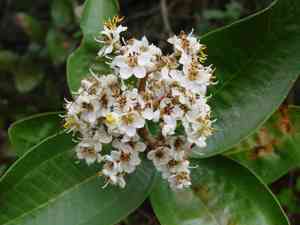
Clidemia (Clidemia) (Clidemia)
Also known as: soapbush, Koster's curse
Many Clidemia species are recognized for their large, noticeable flowers and thrive in sunny clearings. With over 400 species in the genus, Clidemia hirta stands out as the most infamous, being classified as a noxious weed in Australia, the USA, Fiji, and Hawaii. This genus typically favors warm, tropical environments and originates from the tropical regions of the Americas.
In This Article
Attributes of Clidemia (Clidemia)
Lifespan
Perennial
Plant Height
0.5 - 3 meters
Spread
Varies, can be extensive in dense thickets
Leaf Color
Green
Flower Size
0.5 - 1 cm
Flower Color
White to pinkish
Images of Clidemia (Clidemia)
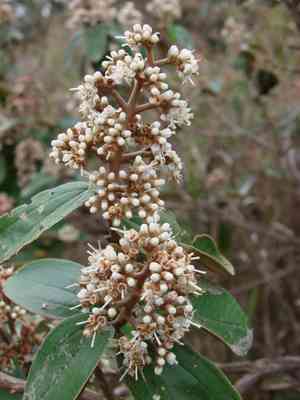
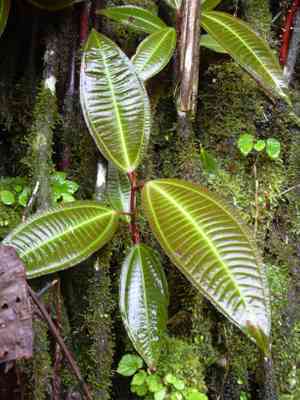
Quickly Identify Clidemia (Clidemia)
1
Clidemia species can be identified by their small, opposite leaves with serrated edges and hairy undersides. The flowers are typically small and white to pinkish, clustered in the leaf axils.
Scientific Classification of Clidemia (Clidemia)
Phylum
Tracheophyta
Class
Magnoliopsida
Order
Myrtales
Family
Melastomataceae
Genus
Clidemia
Planting and Growing of Clidemia (Clidemia)
Care Difficulty
Moderate
Watering Schedule
Every 2 days
Sunlight Requirements
Partial sun
Sunshine Duration
4-8 hours
Ideal Temperature
65-75℉
Soil Type
Potting Mix, Peat Mix
Soil pH
5.5-6.8
Fertilizer Type
Balanced
Pruning Season
Spring, Summer
Pruning Area
Branches, Leaves
Pruning Frequency
2 times a year
Repotting Season
Spring
Pot Type
Plastic, Ceramic
 How to Water Clidemia (Clidemia)?
The Clidemia plant should be watered thoroughly to ensure the soil is evenly moist. A good rule of thumb is to use about 500 milliliters of water each time, allowing the water to soak in and not just sit on the surface. Ensure the water drains well and does not pool at the bottom of the pot.
What are the symptoms of an underwatered Clidemia (Clidemia)?
›
What should I do if my Clidemia (Clidemia) is not getting enough water?
›
What are the symptoms of an overwatered Clidemia (Clidemia)?
›
How to save an overwatered Clidemia (Clidemia)?
›
 What Are the Sunlight Requirements for Clidemia (Clidemia)?
Partial sun, ideally receiving 6 to 8 hours of light daily ensures vigorous growth and flourishing foliage. This balance between light and shade mimics its natural environment, supporting photosynthesis and maintaining the plant’s health and beauty.
Question: What is the perfect outdoor environment?
›
Question: Can Clidemia thrive indoors?
›
Question: What are the benefits of ideal lighting for Clidemia?
›
 What Is the Ideal Temperature Range for Clidemia (Clidemia)?
The ideal temperature range for Clidemia species should be between 65°F and 75°F. Such temperatures ensure optimal growth conditions, as these plants thrive in warm, tropical environments. Maintaining ambient conditions within this range helps facilitate metabolic processes and nutrient acquisition essential for healthy growth.
 What Soil is Best for Clidemia (Clidemia)?
Clidemia thrives in nutrient-rich loam that supports its rapid growth. Such soil provides essential nutrients that promote lush foliage and vibrant blooms, enhancing both aesthetic and ecological benefits. To prevent root rot, Clidemia benefits from sandy loam with excellent drainage. This ensures that water moves efficiently through the soil, reducing fungal diseases and promoting healthy root development. While good drainage is crucial, it's equally important for the soil to retain some moisture. This balance ensures that Clidemia has consistent access to water without the risk of dehydration, facilitating steady growth.
 How to Fertilize Clidemia (Clidemia)?
Clidemia plants typically thrive with a balanced fertilizer approach. For liquid fertilizers, dissolve 1 teaspoon in a gallon of water and apply as per the recommended frequency. For solid or slow-release fertilizers, use approximately 1 tablespoon per plant annually.
 How to Prune Clidemia (Clidemia)?
Begin your pruning by identifying any dead, diseased, or damaged branches. Remove these first, making clean cuts to encourage healthy regrowth and prevent the spread of fungi or pests. Trim back any excessively long or unruly shoots. This not only makes the plant more visually appealing but also ensures sunlight reaches all parts, which is essential for even growth. Aim to maintain a balanced shape. Prune areas that are overly dense to allow better air circulation. This helps prevent fungal infections and allows light to penetrate deeper into the canopy, boosting overall plant health.
 How to Propagate Clidemia (Clidemia) plant?
1
Fill each compartment of the seed tray with a suitable potting mix. Ensure that the mix is moist but not waterlogged, as excess moisture can hinder germination. Sow the seeds evenly across the tray, and lightly cover them with a thin layer of soil.
2
Select healthy and disease-free stems from the parent Clidemia plant. Cut approximately 4-6 inches of the stem using pruning shears, ensuring each cutting has at least two nodes. Remove excess leaves to minimize moisture loss.
3
Dip the cut end of the cutting into rooting hormone to stimulate root development. Plant the cutting in a pot filled with a well-draining potting mix, and water it gently to settle the soil around the stem.
 How to Repot Clidemia (Clidemia) plant?
1
Look for signs such as roots growing out of the drainage holes, slowed growth, or compacted soil, indicating your Clidemia needs repotting. Repot during its active growth periods, ideally in spring or summer, to minimize stress.
2
Select a pot one size larger than the current one with adequate drainage holes. This ensures room for growth and prevents waterlogging, supporting healthy root development and preventing root rot.
3
Opt for a well-draining loamy mix that retains enough moisture without becoming soggy. This soil structure will provide an ideal balance of aeration and water retention, promoting vibrant growth of your Clidemia.
Toxicity
Ingestion, Skin Contact
WARNING
The judgment on toxicity and danger is for reference only. We DO NOT GUARANTEE any accuracy of such judgment. Therefore, you SHALL NOT rely on such judgment. It is IMPORTANT TO SEEK PROFESSIONAL ADVICE in advance when necessary.

