Clethra (Clethra) (Clethra)
Also known as: Summersweet, Sweet Pepperbush
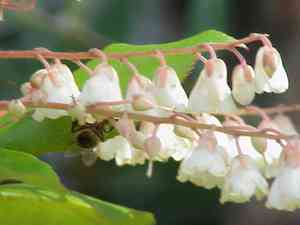
Clethra, also known as sweet pepperbush or summersweet, comprises a variety of shrubs and small trees that can be either deciduous or evergreen. These plants are recognized for their dense clusters of fragrant flowers, which come in shades of white, yellow, or pink. Their aromatic blooms make them ideal for woodland gardens and mixed borders. Clethra plants also thrive in moist, acidic soils and can handle partial shade, adding seasonal beauty with their colorful fall foliage.
In This Article
Attributes of Clethra (Clethra)
Lifespan
Perennial
Plant Height
2.5 m
Spread
2.5 m
Leaf Color
Dark green in summer, turning yellow to golden-brown in fall
Flower Size
Approximately 1 centimeter (0.4 inches)
Flower Color
White, Pink
Images of Clethra (Clethra)
Quickly Identify Clethra (Clethra)
1
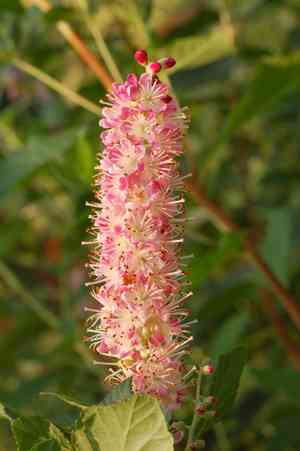
Clethra can be identified by its spiky, bottlebrush-like clusters of fragrant white or pink flowers, dark green, serrated leaves, and its preference for moist, shaded environments. The flowers typically bloom in late summer, and the plant has a distinctive sweet fragrance.
Scientific Classification of Clethra (Clethra)
Phylum
Magnoliophyta
Class
Magnoliopsida
Order
Ericales
Family
Clethraceae
Genus
Clethra
Planting and Growing of Clethra (Clethra)
Care Difficulty
Easy
Watering Schedule
Every 3 days
Sunlight Requirements
Partial sun
Sunshine Duration
6-10 hours
Ideal Temperature
60-75℉
Soil Type
Potting Mix, Peat Mix
Soil pH
5-6.5
Fertilizer Type
Balanced
Pruning Season
Spring, Summer
Pruning Area
Branches, Leaves
Pruning Frequency
2 times a year
Repotting Season
Spring
Pot Type
Plastic, Ceramic
 How to Water Clethra (Clethra)?
Clethra plants thrive best when their soil is kept consistently moist but not soggy. Aim for an amount that deeply saturates the soil without causing water to pool around the plant base. A single watering session should adequately provide around 500ml of water, which ensures the root zone is reached without waterlogging the soil.
What are the symptoms of an underwatered Clethra (Clethra)?
›
What should I do if my Clethra (Clethra) is not getting enough water?
›
What are the symptoms of an overwatered Clethra (Clethra)?
›
How to save an overwatered Clethra (Clethra)?
›
 What Are the Sunlight Requirements for Clethra (Clethra)?
Clethra thrives in partial sun conditions, receiving about 4 to 6 hours of early morning or late afternoon sunlight. This fosters vigorous growth and enhances flowering potential.
What is the best time for sunlight exposure?
›
How can I ensure my Clethra gets the ideal amount of light?
›
What benefits does optimal lighting bring to Clethra?
›
 What Is the Ideal Temperature Range for Clethra (Clethra)?
The ideal temperature range for Clethra is between 60°F and 75°F. This range allows the plant to maintain optimal growth and health, promoting vibrant blooms and healthy foliage. Within this temperature range, Clethra can efficiently carry out physiological processes necessary for its development.
 What Soil is Best for Clethra (Clethra)?
Clethra thrives best in well-drained soil, which prevents root rot and ensures healthy growth by allowing excess water to escape. Such drainage is crucial for maintaining optimal moisture levels essential for the plant's vitality. While well-drained, the soil should still retain adequate moisture, supporting Clethra in developing robust flowering cycles. Consistent moisture aids in the plant's nutrient absorption and overall health. Clethra flourishes in nutrient-rich soil, rich in organic matter. This ensures a steady supply of the nutrients necessary for vibrant blooms and vigorous growth throughout the growing season.
 How to Fertilize Clethra (Clethra)?
Clethra plants are moderate feeders and typically thrive with medium amounts of fertilizer. It's best to follow the instructions on your chosen fertilizer package regarding the exact amount. For liquid fertilizers, use around one gallon of water mixed with fertilizer per plant. For slow-release fertilizers, scatter appropriately according to the product’s specified dosing instructions.
 How to Prune Clethra (Clethra)?
Carefully inspect your Clethra shrub for any dead, damaged, or diseased branches. Removing these can help prevent the spread of disease and improve the overall health of the plant. When pruning, make clean cuts back to a healthy lateral shoot or bud. This encourages new growth and keeps your Clethra looking tidy and well-shaped. Prune Clethra to thin out crowded branches, allowing light and air to reach the center of the shrub. This is especially important for mature shrubs, as it helps promote flowering and healthy new growth.
 How to Propagate Clethra (Clethra) plant?
1
Choose a healthy, disease-free branch from the Clethra plant. Ensure the branch is semi-hardwood for cuttings and has no signs of pest infestation or rot to increase the likelihood of successful propagation.
2
Cut approximately 4-6 inches of the selected stem, making an angled cut just below a node. Remove the leaves from the lower half of the cutting to reduce moisture loss and prepare it for rooting.
3
Dip the cut end in rooting hormone and place it in a pot with well-draining soil. Press the soil gently around the base of the cutting to secure it, ensuring the lower nodes are beneath the soil.
 How to Repot Clethra (Clethra) plant?
1
Clethra should be repotted when you notice roots emerging from the drainage holes or the plant becoming pot-bound. Spring or summer is usually ideal since the plant is in full growth mode, ensuring it quickly adapts to the new soil without too much stress.
2
Choose a pot that is one size larger than the current one, ensuring it has ample drainage holes. The extra space allows the roots to expand and provides better aeration, while proper drainage prevents waterlogging, reducing root rot risk.
3
Opt for a moisture-retentive, acidic loam mix. This choice maintains the soil pH that Clethra prefers, supporting its nutritional needs while retaining enough moisture without becoming soggy.
Learn More About Clethra (Clethra) Diseases
Anthracnose
Bacterial Leaf Spot
Black Spot
Chemical Injury
Crown Gall
Damping-off
Downy Mildew
Drought Stress
Fusarium Wilt
Gray Mold
Leaf Curl
Leaf Spot
Mosaic
Nutrient Deficiency
Nutrient Toxicity
Powdery Mildew
Root Rot
Root-knot Nematode
Rusts
Sooty Mold
Spider Mites
Temperature Stress
Thrips Damage
White Mold

