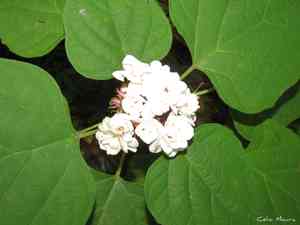
Glorybowers (Clerodendrum) (Clerodendrum)
Also known as: Bagflower
Glorybowers are a diverse group of flowering plants, including trees, shrubs, and vines, originating from tropical and subtropical areas. Known for their striking, multicolored flowers, they are often grown ornamentally in warm climates. The Latin name *Clerodendrum* combines the Greek words "kleros" (chance or fate) and "dendron" (tree).
In This Article
Attributes of Glorybowers (Clerodendrum)
Lifespan
Perennial
Plant Height
1 to 5 meters
Spread
Varies by species, can be up to 3 meters
Leaf Color
Green
Flower Size
Approximately 2 to 4 centimeters
Flower Color
Varies by species, commonly red, white, purple, or pink
Images of Glorybowers (Clerodendrum)
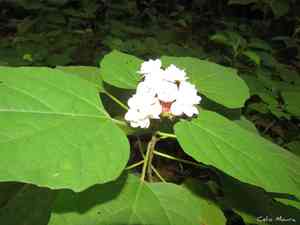
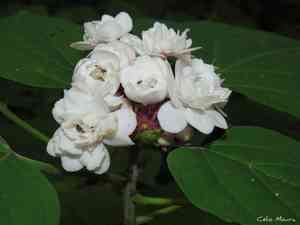
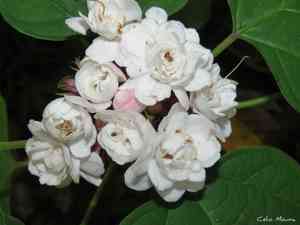
Quickly Identify Glorybowers (Clerodendrum)
1
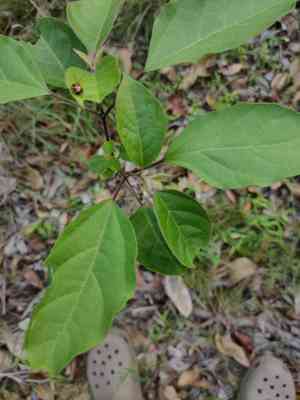
Clerodendrum plants can be identified by their large, showy, and often fragrant flowers. The flowers can be tubular or bell-shaped with five lobes. They typically have opposite leaves that can be simple or compound.
Scientific Classification of Glorybowers (Clerodendrum)
Phylum
Magnoliophyta
Class
Magnoliopsida
Order
Lamiales
Family
Lamiaceae
Genus
Clerodendrum
Planting and Growing of Glorybowers (Clerodendrum)
Care Difficulty
Moderate
Watering Schedule
Every 3 days
Sunlight Requirements
Partial sun
Sunshine Duration
4-6 hours
Ideal Temperature
65-85℉
Soil Type
Potting Mix, Peat Mix
Soil pH
6.5-7.5
Fertilizer Type
Balanced
Pruning Season
Spring, Summer
Pruning Area
Branches, Leaves
Pruning Frequency
2 times a year
Repotting Season
Spring
Pot Type
Plastic, Ceramic
 How to Water Glorybowers (Clerodendrum)?
For Clerodendrum, it's important to ensure the soil remains moderately moist but not soggy. A watering session should thoroughly hydrate the soil without causing it to become saturated. Typically, about 250 ml of water is appropriate for a medium-sized pot, ensuring that the excess water drains out freely. The general rule is to allow the top inch of the soil to dry out before the next watering.
What are the symptoms of an underwatered Glorybowers (Clerodendrum)?
›
What should I do if my Glorybowers (Clerodendrum) is not getting enough water?
›
What are the symptoms of an overwatered Glorybowers (Clerodendrum)?
›
How to save an overwatered Glorybowers (Clerodendrum)?
›
 What Are the Sunlight Requirements for Glorybowers (Clerodendrum)?
Clerodendrum prefers partial sun, thriving in conditions with around four to six hours of indirect sunlight. This ensures the plant has ample light for photosynthesis while avoiding harsh direct rays that can damage it.
What is the best lighting level?
›
How can I ensure Clerodendrum gets ideal lighting?
›
What benefits will proper lighting provide?
›
 What Is the Ideal Temperature Range for Glorybowers (Clerodendrum)?
For optimal growth, Clerodendrum prefers temperatures between 65°F and 85°F. This range allows the plant to thrive by providing the warmth it needs without exposing it to stresses from either excessive cold or heat.
 What Soil is Best for Glorybowers (Clerodendrum)?
Clerodendrum requires well-draining soil to prevent root rot. Proper drainage ensures excess water doesn't suffocate the roots, promoting healthy root development and plant vigor. A nutrient-rich soil encourages Clerodendrum to produce lush green foliage and vibrant flowers. Enriching the soil with organic matter can enhance nutrient availability, benefiting the plant's overall growth. While drainage is crucial, the soil should also retain some moisture to support Clerodendrum during dry periods. Maintaining a balance helps the plant sustain its water needs without frequent watering.
 How to Fertilize Glorybowers (Clerodendrum)?
Clerodendrum plants require moderate amounts of fertilizer. For liquid fertilizers, dilute them to half the recommended strength on the label. Apply approximately 200ml per plant each time, ensuring not to oversaturate the soil.
 How to Prune Glorybowers (Clerodendrum)?
First, identify any overgrown, damaged, or crossing branches. These should be the primary targets for pruning, as their removal encourages better airflow and light penetration. Make clean cuts at a 45-degree angle just above a node or dormant bud. This method promotes new growth and prevents water from pooling on the cut surface, which can cause rot.
 How to Propagate Glorybowers (Clerodendrum) plant?
1
Select healthy, non-flowering stems for cuttings that are about 4-6 inches long. Make sure to cut just below a node, as this is where roots are most likely to form.
2
Prepare a potting mix that is well-drained, such as a mix of peat and perlite. This helps ensure that the cutting is in an environment suitable for root development.
3
Dip the cut end of the stem in rooting hormone and plant it in the prepared potting mix. Ensure the soil is compacted around the base to support the cutting and maintain moisture.
 How to Repot Glorybowers (Clerodendrum) plant?
1
Clerodendrum needs repotting when roots start creeping out of the drainage holes, or when growth appears stunted compared to usual vitality. It's best to refresh the pot during its active growth phase so it can quickly establish itself in its new environment.
2
Choose a pot slightly larger than the current one, with adequate drainage holes. A pot that's too big can lead to root rot, while one that's too small will restrict growth. A ceramic or terra cotta pot can also help prevent excessive moisture retention.
3
Use a well-draining potting mix, ideally with a blend of peat, perlite, and pine bark. This composition ensures good moisture retention without waterlogging, thus providing the roots with adequate aeration and growth support.
Toxicity
Ingestion
WARNING
The judgment on toxicity and danger is for reference only. We DO NOT GUARANTEE any accuracy of such judgment. Therefore, you SHALL NOT rely on such judgment. It is IMPORTANT TO SEEK PROFESSIONAL ADVICE in advance when necessary.
Learn More About Glorybowers (Clerodendrum) Diseases
Anthracnose
Bacterial Leaf Spot
Bacterial Wilt
Crown Gall
Damping-off
Downy Mildew
Drought Stress
Fusarium Wilt
Gray Mold
Leaf Curl
Leaf Spot
Mosaic
Nutrient Deficiency
Nutrient Toxicity
Powdery Mildew
Root Rot
Root-knot Nematode
Rusts
Sooty Mold
Spider Mites
Temperature Stress
Thrips Damage
White Mold

