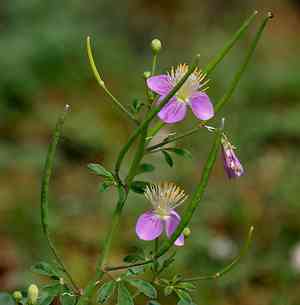
Spider flowers (Cleome) (Cleome)
Also known as: Spider Flower, Spider Plant
Cleome is a genus of flowering plants in the family Cleomaceae. These plants are known for their attractive flower clusters, which are often fragrant and come in a variety of colors including pink, white, and purple. They are commonly grown in gardens and are appreciated for their long blooming season.
In This Article
Attributes of Spider flowers (Cleome)
Lifespan
Annual
Plant Height
1.2 m
Spread
45 cm
Leaf Color
Green
Flower Size
2 to 3 inches
Flower Color
Pink, White, Purple
Images of Spider flowers (Cleome)

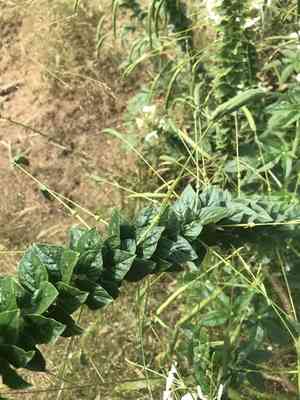
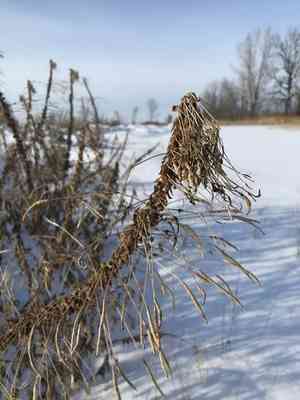

Quickly Identify Spider flowers (Cleome)
1
Cleome can be identified by its tall, spiky racemes of flowers and distinctive seed pods that resemble thin, elongated capsules. The plants typically have palmately compound leaves and the stems often are glandular-hairy.
Scientific Classification of Spider flowers (Cleome)
Phylum
Tracheophyta
Class
Magnoliopsida
Order
Brassicales
Family
Cleomaceae
Genus
Cleome
Planting and Growing of Spider flowers (Cleome)
Care Difficulty
Easy
Watering Schedule
Every 6 days
Sunlight Requirements
Full sun
Sunshine Duration
4-8 hours
Ideal Temperature
70-85℉
Soil Type
Potting Mix, Peat Mix
Soil pH
6.5-7.5
Fertilizer Type
Balanced
Pruning Season
Spring, Summer
Pruning Area
Branches, Leaves
Pruning Frequency
2 times a year
Repotting Season
Spring
Pot Type
Plastic, Ceramic
 How to Water Spider flowers (Cleome)?
For Cleome, it is essential to provide about 250 milliliters of water each time you water it. Ensure the soil is moist but not waterlogged. This balance is crucial as Cleome prefers a moderately moist environment for optimal growth. Pour the water slowly around the base of the plant, allowing it to absorb evenly into the soil.
What are the symptoms of an underwatered Spider flowers (Cleome)?
›
What should I do if my Spider flowers (Cleome) is not getting enough water?
›
What are the symptoms of an overwatered Spider flowers (Cleome)?
›
How to save an overwatered Spider flowers (Cleome)?
›
 What Are the Sunlight Requirements for Spider flowers (Cleome)?
Cleome thrives best in full sun to partial sun, enjoying long daylight exposure that fosters vibrant growth, full blooms, and enhances the plant's photosynthetic efficacy, which is critical to its health and flower production.
Ideal sunlight exposure
›
Solutions for ideal sunlight
›
Benefits of ideal sunlight
›
 What Is the Ideal Temperature Range for Spider flowers (Cleome)?
For optimal growth, Cleome plants thrive in a temperature range of 70°F to 85°F. This range supports healthy metabolic processes and ensures vigorous growth and blossoming, given adequate light and moisture conditions.
 What Soil is Best for Spider flowers (Cleome)?
Cleome plants prefer well-drained soil to prevent root rot and promote healthy growth. Well-drained soil ensures that excess water can efficiently flow away, reducing the risk of waterlogged roots, which can lead to fungal issues and plant disease. These plants thrive in nutrient-rich soil, which provides essential nutrients that support robust flowering and vigorous growth. A soil rich in organic matter can offer Cleome plants the necessary minerals and nutrients for optimal health. Maintaining moderate moisture is crucial for Cleome plants as it aids in avoiding drought stress while not oversaturating the roots. Consistent moisture levels help in establishing strong root systems and ensure consistent blooming.
 How to Fertilize Spider flowers (Cleome)?
For Cleome, it is critical to ensure balanced nutrient delivery. Use approximately 1 tablespoon of liquid fertilizer per gallon of water for optimal penetration into the soil. This concentration ensures that Cleome receives a steady supply of essential nutrients without the risk of burning its delicate roots.
 How to Prune Spider flowers (Cleome)?
Use sharp and clean pruning shears to make precise cuts and minimize damage to the plant. Sterilizing the tools before use is essential to avoid transmitting diseases to your Cleome. Focus on removing dead or damaged stems first. Then, identify and trim back any particularly long or unruly stems. This pruning will enhance the plant's shape and encourage new flowering shoots. For best results, prune in the early morning or late afternoon when the plant is not under direct sun. Cut just above a node or a leaf set to promote branching, and avoid removing more than one-third of the plant at any one time to prevent shock.
 How to Propagate Spider flowers (Cleome) plant?
1
Begin by sowing Cleome seeds in a seed tray filled with a sterile potting mix. Lightly cover the seeds with a thin layer of soil and gently water them to maintain moisture.
2
Once the seedlings have developed two to three sets of true leaves, transplant them into larger pots or directly into the garden. Ensure they are spaced adequately to encourage growth.
3
For cuttings, select healthy shoots from a mature Cleome plant. Cut about 4-6 inches in length, remove lower leaves, and dip the cut end into a rooting hormone before planting.
 How to Repot Spider flowers (Cleome) plant?
1
The ideal time to repot Cleome is when you notice root-bound conditions, like roots growing through drainage holes or visible above the soil surface. Additionally, slower growth can signal the need for a new pot. Aim to repot during its active growth period, preferably in spring or summer, allowing it to adapt better.
2
Select a pot that's 1-2 inches larger in diameter than the current one to allow room for growth. Ensure it has adequate drainage holes to prevent waterlogging. A slightly bigger pot helps manage moisture levels and increase aeration, promoting healthier root systems.
3
Use a well-draining potting mix, ideally a combination of perlite, peat moss, and compost. This mix ensures sufficient aeration while retaining necessary moisture, providing the roots with ideal growing conditions without risking root rot.
Learn More About Spider flowers (Cleome) Diseases
Anthracnose
Bacterial Leaf Spot
Bacterial Soft Rot
Bacterial Wilt
Crown Gall
Cyst Nematode
Damping-off
Downy Mildew
Drought Stress
Fusarium Wilt
Gray Mold
Leaf Curl
Leaf Spot
Mosaic
Nutrient Deficiency
Nutrient Toxicity
Powdery Mildew
Root Rot
Root-knot Nematode
Rusts
Sooty Mold
Spider Mites
Temperature Stress
Thrips Damage
White Mold

