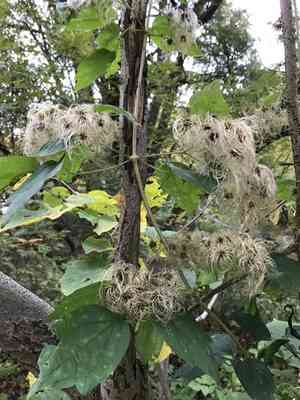
Devil's darning needles (Clematis virginiana)
Also known as: Love vine, Woodbine
A native climbing vine of the Southeastern United States is Clematis virginiana, also known as Virgin's Bower. This vine uses delicate tendrils for support, ensuring it does not damage the structures it climbs. It is appealing to bees and hummingbirds and is resistant to deer. The vine produces white flowers that bloom throughout the summer.
Attributes of Devil's darning needles
Images of Devil's darning needles
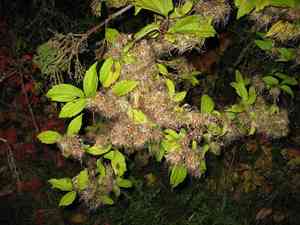
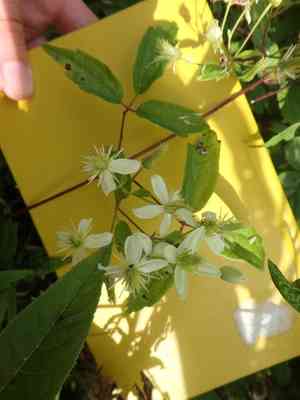
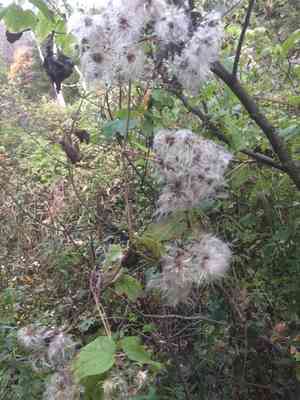
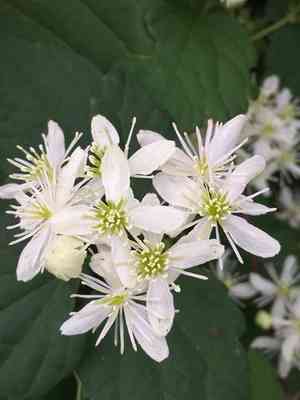
Quickly Identify Devil's darning needles
Scientific Classification of Devil's darning needles
Planting and Growing of Devil's darning needles
 How to Water Devil's darning needles?
 What Are the Sunlight Requirements for Devil's darning needles?
 What Is the Ideal Temperature Range for Devil's darning needles?
 What Soil is Best for Devil's darning needles?
 How to Fertilize Devil's darning needles?
 How to Prune Devil's darning needles?
 How to Propagate Devil's darning needles plant?
 How to Repot Devil's darning needles plant?
Toxicity of Devil's darning needles
Is Devil's darning needles toxic to humans?
The devil's darning needles possess moderate toxicity to humans. Its foliage is known to contain compounds that may act as irritants both topically and within the gastrointestinal tract. Direct contact with the damaged or torn leaves can result in skin irritation, manifesting as redness or a burning sensation. Consumption of this plant's leaves can lead to a range of distressing symptoms, such as pain in the mouth, ulcers, dizziness, and confusion. In severe situations, it could trigger convulsions or even result in death. Commonly found as ornamental plants, it is recommended for gardeners to wear gloves while handling them. Fortunately, devil's darning needles do not have any edible counterparts, making instances of human ingestion and poisoning exceedingly rare.
Is Devil's darning needles toxic to cat?
Devil's darning needles pose a toxic threat to cats. If felines inadvertently consume any part of this plant, including its flowers or leaves, or come into contact with its sap or juice, poisoning can occur. Such toxicity may lead to physical distress, indicating potential illness or discomfort in cats. Should there be any suspicion that a cat has encountered devil's darning needles, it is vital to immediately obtain treatment from a veterinary clinic to avoid any additional health issues.
Is Devil's darning needles toxic to dog?
Devil's darning needles are highly toxic to dogs, representing a serious health hazard if consumed. Due to their inherently curious nature and tendency to chew on various plants, dogs may inadvertently ingest parts of devil's darning needles. The harmful components of this plant encompass its flowers, leaves, and sap/juice. If a dog consumes any of these parts, it may show signs such as gastrointestinal distress, excessive drooling, vomiting, or diarrhea. In critical situations, more severe symptoms can develop, which require immediate veterinary intervention. Therefore, it is essential for dog owners to remain alert and keep their pets away from devil's darning needles. Should a dog ingest this toxic plant, seeking prompt treatment at a veterinary clinic is vital to ensure the best chances of recovery for the affected dog.



