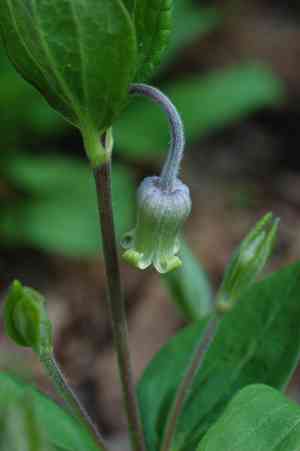
Curlyheads (Clematis ochroleuca)
Also known as: Nodding Virgin's Bower
Curlyheads (Clematis ochroleuca) showcase charming, pale yellow to cream-colored flowers that typically bloom from April to June. These nodding flowers add a unique appeal, especially in natural settings. Curlyheads thrive best in well-drained, sandy or rocky soils and prefer full sun to partial shade, reflecting their native habitats of open woods and rocky hillsides. Their delicate, curly-tipped sepals and moderate moisture needs make them a distinctive and low-maintenance choice for gardeners looking to add a touch of wild beauty. Ideal for areas where they can sprawl naturally, these plants also attract pollinators like bees and butterflies.
In This Article
Attributes of Curlyheads
Lifespan
Perennial
Plant Type
Vine, Herb
Plant Height
30 cm to 61 cm
Spread
30 cm to 38 cm
Leaf Color
Green
Flower Size
2.5 cm
Flower Color
Creamy to pale yellow
Images of Curlyheads
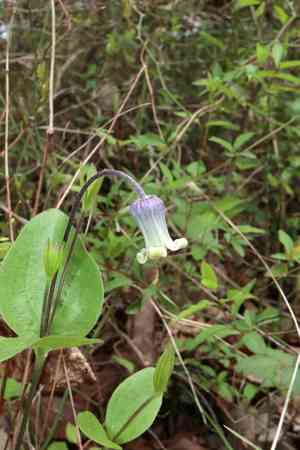
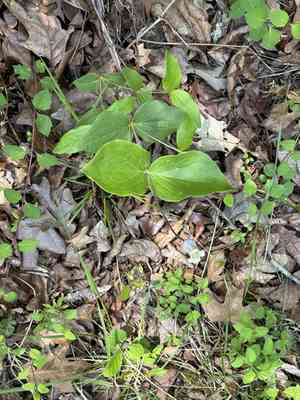
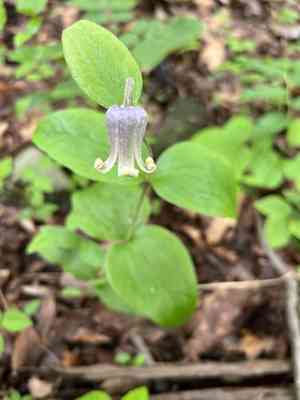
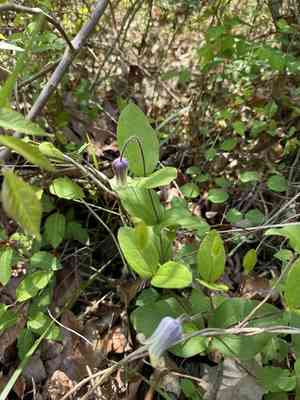
Quickly Identify Curlyheads
1
Pendulous fuzzy bell flowers with yellow-white to cream coloration and hints of purple, 1-2 inches (2.5-5 cm) long.
2
Ovate leaves with rich green color, smooth margins, and prominent central vein, 1.5-3 inches (4-7.5 cm) long.
3
Distinct seedheads with fuzzy, curly whorls and one-seeded achenes, light tan to golden, 1-2 inches (2.5-5 cm) long.
4
Compact woody sub-shrub reaching 1-2 feet (30-60 cm) tall, 1 foot (30 cm) wide, delicate Ranunculaceae family member.
Scientific Classification of Curlyheads
Phylum
Vascular plants
Class
Dicotyledons
Order
Ranunculales
Family
Buttercup
Genus
Clematis
Species
Curlyheads
Planting and Growing of Curlyheads
Care Difficulty
Moderate
Watering Schedule
Every 3 days
Sunlight Requirements
Full sun
Sunshine Duration
4-8 hours
Ideal Temperature
60-75℉
Soil Type
Potting Mix, Peat Mix
Soil pH
6.5-7.5
Fertilizer Type
Balanced
Pruning Season
Spring, Summer
Pruning Area
Branches, Leaves
Pruning Frequency
2 times a year
Repotting Season
Spring
Pot Type
Plastic, Ceramic
 How to Water Curlyheads?
For Clematis ochroleuca, ensure the soil is thoroughly drenched without waterlogging. This equates to about 250ml per session, allowing water to reach deep into the root zone, promoting strong growth while preventing root rot.
What are the symptoms of an underwatered Curlyheads?
›
What should I do if my Curlyheads is not getting enough water?
›
What are the symptoms of an overwatered Curlyheads?
›
How to save an overwatered Curlyheads?
›
 What Are the Sunlight Requirements for Curlyheads?
Clematis ochroleuca prefers full to partial sun for 4 to 6 hours daily. Ideal lighting supports the plant's natural growth cycle and enhances bloom quality and quantity throughout the season.
What is the ideal light condition for Clematis ochroleuca?
›
How can we provide optimal light for Clematis ochroleuca?
›
What benefits does ideal lighting bring to Clematis ochroleuca?
›
 What Is the Ideal Temperature Range for Curlyheads?
For Clematis ochroleuca, maintaining an ideal temperature range between 60°F and 75°F is crucial for optimal growth. At these temperatures, the plant can efficiently carry out photosynthesis, ensuring healthy foliage and vibrant blooms. This range also minimizes the risk of diseases that thrive in either extreme heat or cold.
 What Soil is Best for Curlyheads?
Clematis ochroleuca thrives in well-draining soil to prevent root rot. Proper drainage ensures roots are not waterlogged and receive adequate oxygen, promoting healthy growth and vibrant blooms. This plant performs best in nutrient-rich soil that supports vigorous growth. Amending the soil with organic matter enhances fertility, resulting in abundant foliage and more resilient structures. Slight moisture retention in soil secures consistent hydration. It's crucial to balance water retention so roots stay hydrated without oversaturation, maintaining the plant's overall vitality.
 How to Fertilize Curlyheads?
For Clematis ochroleuca, it's crucial to apply just the right amount of fertilizer to promote healthy growth without causing harm. A balanced liquid fertilizer should be mixed at half strength, approximately 1 tablespoon per gallon of water. Slow-release granules can be gently scattered around the base, using roughly 1/4 cup per application.
 How to Prune Curlyheads?
First, inspect the plant carefully to identify dead or damaged stems. These will often appear brown or brittle compared to the healthy green ones. Cut back the dead stems to the base of the plant. Ensure your cuts are clean and angled slightly away from the bud, to encourage water runoff. Once dead stems are removed, step back to view the overall shape. Trim any overgrown or unruly branches to create a pleasing aesthetic and encourage balanced growth.
 How to Propagate Curlyheads plant?
1
Collect seeds from the plant when they are mature but before they disperse. Ensure seeds are dry and free from disease, storing them in a cool place until planting.
2
Select healthy stems and cut them just below a node. Remove the lower leaves, ensuring at least two nodes are intact for optimal root development.
3
Plant seeds or cuttings in prepared soil, maintaining consistent moisture. Place in a warm, well-lit area but away from direct sunlight. Monitor regularly for growth and signs of disease.
 How to Repot Curlyheads plant?
1
The best time to repot Clematis ochroleuca is when you notice signs of rootbound conditions, such as roots protruding from drainage holes or the plant's water needs becoming more frequent. Additionally, if growth has slowed significantly or the soil no longer retains moisture well, it's time to consider repotting.
2
Select a pot that is 2-3 inches larger in diameter than the current one, with adequate drainage holes. A deep pot helps accommodate the root system and prevents waterlogging. Pots made from breathable materials like clay or terracotta are ideal, as they provide good aeration and help regulate moisture.
3
Well-draining soil is essential for Clematis ochroleuca to prevent root rot. Opt for a mix that includes components like loam, sand, and organic matter, which promotes excellent drainage and provides essential nutrients. This type of soil supports robust root development and healthy plant growth.
Toxicity
Ingestion
WARNING
The judgment on toxicity and danger is for reference only. We DO NOT GUARANTEE any accuracy of such judgment. Therefore, you SHALL NOT rely on such judgment. It is IMPORTANT TO SEEK PROFESSIONAL ADVICE in advance when necessary.
Learn More About Curlyheads Diseases
Anthracnose
Bacterial Leaf Spot
Bacterial Wilt
Black Spot
Chemical Injury
Crown Gall
Damping-off
Downy Mildew
Drought Stress
Fusarium Wilt
Gray Mold
Leaf Curl
Leaf Spot
Mosaic
Nutrient Deficiency
Nutrient Toxicity
Powdery Mildew
Root Rot
Root-knot Nematode
Rusts
Sooty Mold
Spider Mites
Temperature Stress
Thrips Damage
White Mold



