
Anemone clematis (Clematis montana)
Also known as: Himalayan clematis
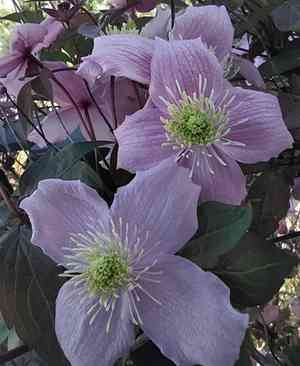
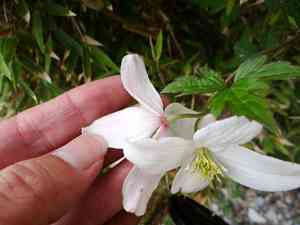
Anemone clematis (Clematis montana) is a fast-growing deciduous vine that can reach up to 6 meters in length. In spring, new leaves emerge, initially dark purple, then transitioning to bronze and finally to a vibrant green. The plant is renowned for its profusion of fragrant, white to pale pink flowers that typically bloom in late spring, creating a stunning display. After the flowering season, feathery seed heads form. Clematis montana thrives in both full sun and partial shade, making it versatile for various garden settings. Ideal for covering arbors, garden walls, or trellises, this climber adds a dynamic element to any landscape.
Attributes of Anemone clematis
Images of Anemone clematis


Quickly Identify Anemone clematis
Scientific Classification of Anemone clematis
Planting and Growing of Anemone clematis
 How to Water Anemone clematis?
 What Are the Sunlight Requirements for Anemone clematis?
 What Is the Ideal Temperature Range for Anemone clematis?
 What Soil is Best for Anemone clematis?
 How to Fertilize Anemone clematis?
 How to Prune Anemone clematis?
 How to Propagate Anemone clematis plant?
 How to Repot Anemone clematis plant?
Toxicity of Anemone clematis
Is Anemone clematis toxic to humans?
Anemone clematis presents a moderate toxicity risk to humans. Contact with any part of this plant can result in skin irritation, while ingestion may lead to more severe symptoms. The entire plant is imbued with protoanemonin, which has the potential to cause poisoning through touch or ingestion. Symptoms associated with poisoning from anemone clematis include dermatitis, manifested by redness, itching, and blister formation upon contact. If ingested, individuals might suffer from excessive salivation, vomiting, diarrhea, and in extreme cases, hematemesis. The risk of accidental ingestion of anemone clematis is particularly alarming due to the presence of toxic compounds distributed throughout the plant, highlighting the necessity for caution around this species.
Is Anemone clematis toxic to cat?
Anemone clematis presents a moderate toxicity hazard to felines. Cats may be exposed to the toxins either through direct contact with the plant or by ingesting it inadvertently. The entire plant harbors protoanemonin, a substance that can be detrimental to our beloved cats. If a cat comes into contact with anemone clematis, it may show signs of physical discomfort or distress. Should any symptoms of poisoning arise, it is essential to promptly consult veterinary professionals at a specialized treatment center to alleviate the impact of the toxins.
Is Anemone clematis toxic to dog?
Anemone clematis presents a moderate toxicity threat to dogs. Canines may experience poisoning from anemone clematis via skin exposure or unintentional consumption. The entire plant is harmful, meaning that any portion of anemone clematis, if chewed or otherwise ingested by a dog, has the potential to cause poisoning. Signs of poisoning in dogs can include gastrointestinal distress, excessive salivation, abdominal discomfort, vomiting, and diarrhea. In more severe cases, symptoms such as tremors or seizures may also manifest. The toxic compound responsible for these symptoms is protoanemonin. If you suspect that your dog has either contacted or ingested anemone clematis, it is vital to seek prompt veterinary assistance to ensure the best possible outcome for your pet.



