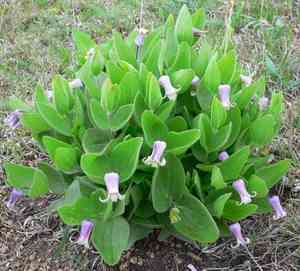
Fremont's leather flower (Clematis fremontii)
Also known as: Fremont's leather flower
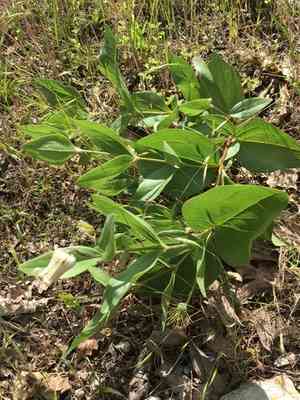
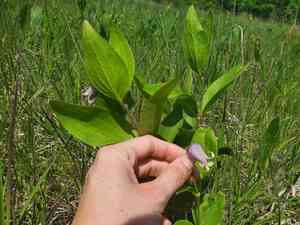
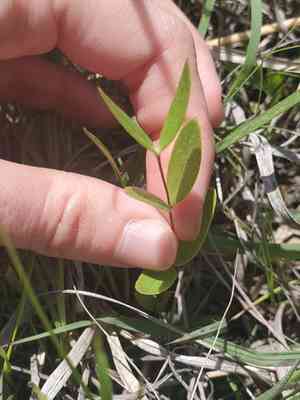
This plant features stems covered in fine hairs, typically reaching heights of 15 to 40 centimeters, though they can grow up to 70 centimeters. The leaves are leathery and oval-shaped, measuring up to 14 centimeters in length and 11 centimeters in width. It produces a solitary, urn-shaped blossom. The flower has bluish or purple sepals that are lance-shaped and have greenish tips, also covered in hairs. The fruits are elongated achenes, which grow together in a cluster.
In This Article
Attributes of Fremont's leather flower
Lifespan
Perennial
Plant Type
Herb, Shrub
Plant Height
30 cm to 91 cm
Spread
1 to 2 feet
Leaf Color
Green
Flower Size
1 to 2 inches
Flower Color
Purple
Images of Fremont's leather flower
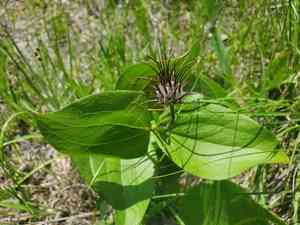
Quickly Identify Fremont's leather flower
1
Clematis fremontii can be identified by its distinctive bell-shaped flowers which are lavender to creamy white in color. The flowers are followed by feathery seed heads. The plant has robust, woody stems and leathery, oval-shaped leaves. It typically grows in rocky, well-drained soils and prefers sunny to partly shaded areas.
Scientific Classification of Fremont's leather flower
Phylum
Vascular plants
Class
Dicotyledons
Order
Ranunculales
Family
Buttercup
Genus
Clematis
Species
Fremont's leather flower
Planting and Growing of Fremont's leather flower
Care Difficulty
Easy
Watering Schedule
Every 2 days
Sunlight Requirements
Full sun
Sunshine Duration
6-10 hours
Ideal Temperature
59-77℉
Soil Type
Potting Mix, Peat Mix
Soil pH
6.5-7.5
Fertilizer Type
Balanced
Pruning Season
Spring, Summer
Pruning Area
Branches, Leaves
Pruning Frequency
2 times a year
Repotting Season
Spring
Pot Type
Plastic, Ceramic
 How to Water Fremont's leather flower?
Clematis fremontii thrives best with a balanced watering regimen. It's crucial to ensure the water reaches the roots without making the soil waterlogged. Generally, about 500ml at a time should suffice to keep it healthy, focusing on moistening the root zone thoroughly but not excessively.
What are the symptoms of an underwatered Fremont's leather flower?
›
What should I do if my Fremont's leather flower is not getting enough water?
›
What are the symptoms of an overwatered Fremont's leather flower?
›
How to save an overwatered Fremont's leather flower?
›
 What Are the Sunlight Requirements for Fremont's leather flower?
Clematis fremontii thrives in full sun to partial sun conditions, ideally 4 to 8 hours of sunlight daily. This ensures blooming and robust growth, enhancing plant resilience.
What is the ideal amount of light for Clematis fremontii?
›
How can I achieve this ideal lighting?
›
What are the benefits of the ideal light conditions?
›
 What Is the Ideal Temperature Range for Fremont's leather flower?
Clematis fremontii thrives best in temperate climates where the temperature ranges from 59°F to 77°F. This range provides an optimal environment for its growth and flowering. In this temperature range, the plant can efficiently photosynthesize, maintain healthy growth, and produce vibrant flowers. Deviating significantly from this temperature window may result in stunted growth or reduced flowering capacity.
 What Soil is Best for Fremont's leather flower?
Clematis fremontii thrives in well-drained soil, which prevents waterlogging and root rot. Ensuring proper drainage will keep the roots healthy and support vigorous growth. This plant flourishes in nutrient-rich soil that supports its metabolic processes. Providing soil with adequate organic matter and nutrients helps Clematis fremontii produce lush foliage and vibrant blooms. While Clematis fremontii prefers well-drained soil, it also benefits from moderately moist conditions. Maintaining consistent moisture levels encourages sustained growth and flowering.
 How to Fertilize Fremont's leather flower?
When fertilizing Clematis fremontii, it is vital to ensure the correct amount is applied. For liquid fertilizers, use a balanced mix at half the recommended strength. Apply about 250 ml per plant, ensuring even distribution around the root zone. For solid fertilizers, sprinkle a rounded tablespoon of slow-release granules and gently mix into the topsoil, focusing on areas where roots are most active.
 How to Prune Fremont's leather flower?
Begin by removing any dead, damaged, or diseased stems. Cut these away at the base to promote healthy growth and reduce the risk of plant diseases, allowing the plant to focus energy on healthier parts. Trim crowded stems to increase air circulation within the plant. This not only helps prevent fungal diseases but also shapes the plant aesthetically, allowing sunlight to reach more parts for a fuller bloom. After pruning, apply a balanced fertilizer to boost plant recovery and encourage vigorous growth. This helps the clematis respond well to pruning by developing stronger stems and producing abundant flowers.
 How to Propagate Fremont's leather flower plant?
1
Gather seeds from mature Clematis fremontii fruits during autumn. Ensure seeds are dry and free from any molds before storing them in a cool, dry place until spring planting.
2
Take semi-hardwood cuttings in early spring. Select healthy stems and cut them to about 4-6 inches long. Remove leaves on the lower half of the cutting to reduce water loss.
3
In late spring, carefully dig up the plant and divide the root mass. Ensure each section has ample roots and multiple stems, and replant them immediately in a suitable growing location.
 How to Repot Fremont's leather flower plant?
1
Repot Clematis fremontii when you notice signs like roots growing through the drainage holes, soil compacting excessively, or stagnated growth. The ideal time is during its dormancy phase, typically in early spring or autumn, ensuring minimal stress during its natural growth cycles.
2
Select a pot that is one size larger than the current one. Ensure it has sufficient drainage holes to prevent waterlogging. The right pot size ensures enough room for root expansion without overwhelming the plant. A terracotta pot can be beneficial as it enables breathability and reduces the risk of root rot.
3
Opt for a well-draining potting mix with added perlite or sand. This type of soil mixture ensures proper aeration and prevents water accumulation around the roots, which is crucial for Clematis fremontii's healthy growth and prevention of root diseases.
Toxicity
Ingestion, Skin Contact
WARNING
The judgment on toxicity and danger is for reference only. We DO NOT GUARANTEE any accuracy of such judgment. Therefore, you SHALL NOT rely on such judgment. It is IMPORTANT TO SEEK PROFESSIONAL ADVICE in advance when necessary.
Learn More About Fremont's leather flower Diseases
Anthracnose
Bacterial Leaf Spot
Bacterial Wilt
Black Spot
Chemical Injury
Crown Gall
Damping-off
Downy Mildew
Drought Stress
Fusarium Wilt
Gray Mold
Leaf Curl
Leaf Spot
Mosaic
Nutrient Deficiency
Nutrient Toxicity
Powdery Mildew
Root Rot
Root-knot Nematode
Rusts
Sooty Mold
Spider Mites
Temperature Stress
Thrips Damage
White Mold



