
Asian virginsbower (Clematis florida)
Also known as: Passion Flower Clematis
One species of garden clematis known for its stunning varieties is Clematis montana, also called the Asian virginsbower. This deciduous vine features flowers ranging from creamy white to purple, depending on the variety, and it blooms in early summer on shoots formed during the previous year's growth.
Attributes of Asian virginsbower
Images of Asian virginsbower
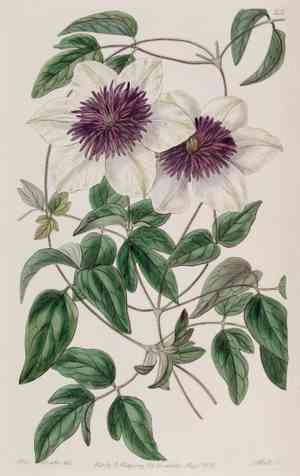
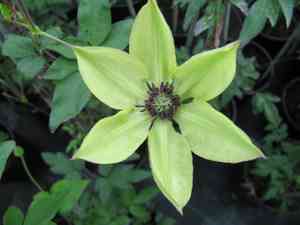
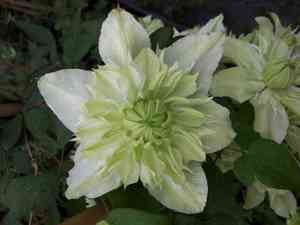
Quickly Identify Asian virginsbower
Scientific Classification of Asian virginsbower
Planting and Growing of Asian virginsbower
 How to Water Asian virginsbower?
 What Are the Sunlight Requirements for Asian virginsbower?
 What Is the Ideal Temperature Range for Asian virginsbower?
 What Soil is Best for Asian virginsbower?
 How to Fertilize Asian virginsbower?
 How to Prune Asian virginsbower?
 How to Propagate Asian virginsbower plant?
 How to Repot Asian virginsbower plant?
Toxicity of Asian virginsbower
Is Asian virginsbower toxic to humans?
The Asian virginsbower plant is toxic when consumed or touched. Every part of this plant harbors harmful substances that can lead to serious health issues if ingested. Typical symptoms include nausea, vomiting, and diarrhea, which are generally short-lived but could persist longer, depending on the quantity consumed. Glycoside ranunculin is present in the stem, leaves, and flowers. The toxin is activated upon ingestion of any part of the plant. Additionally, blisters and sores can form in the mouth and esophagus, leading to difficulties in swallowing. The sap may also cause skin irritation; thus, gardeners with sensitive skin should exercise caution when handling it.
Is Asian virginsbower toxic to cat?
The Asian virginsbower exhibits a moderate toxicity level for cats. This toxicity arises when a cat consumes any portion of the plant, as all of its parts are deemed harmful. Ingesting the plant may result in various signs of physical distress or health complications. Cat owners are advised to observe their pets for any negative reactions following a possible ingestion and to promptly consult a veterinarian to guarantee the cat receives appropriate care and to minimize any associated poisoning risks.
Is Asian virginsbower toxic to dog?
The botanical species known as Asian virginsbower presents a moderate level of toxicity to dogs. When any part of this plant is consumed by dogs, they face a real risk of poisoning due to its poisonous properties. Common methods by which dogs may experience poisoning include chewing or swallowing leaves, stems, flowers, or other plant components. The symptoms that may develop following ingestion can differ, yet frequently include gastrointestinal distress, such as vomiting and diarrhea, along with more serious indications like excessive salivation, fatigue, and lack of coordination. If you believe your dog has ingested Asian virginsbower, it is crucial to seek prompt veterinary attention to ensure the best possible outcome for your furry friend.



