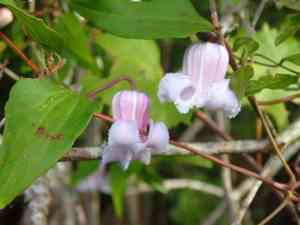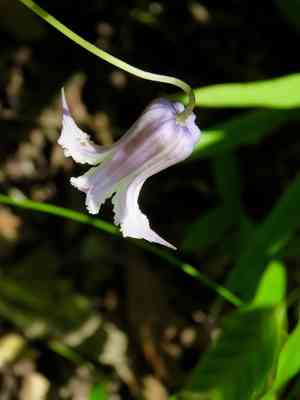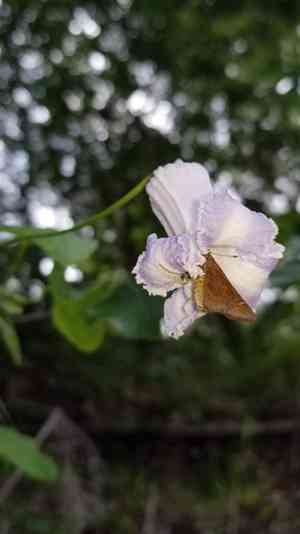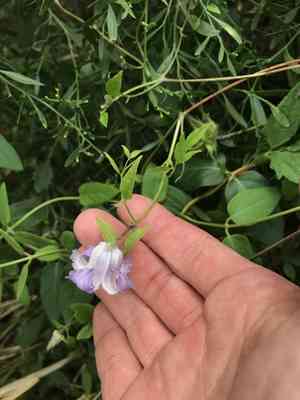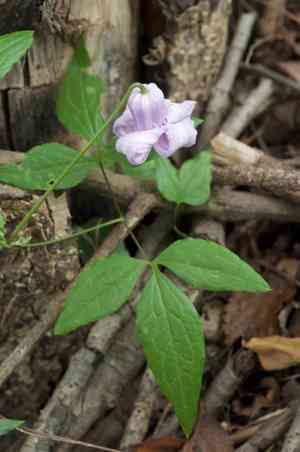
Swamp leatherflower(Clematis crispa)

Swamp leatherflower (Clematis crispa)

Also known as: Blue jasmine

Clematis is a perennial climbing vine that can reach lengths of 1.8 to 3 meters. It features distinctive, fragrant flowers that bloom in an array of colors, including purple, pink, blue, and white, throughout the spring, summer, and fall. This plant thrives best with consistent moisture.

Attributes of Swamp leatherflower

Lifespan
Perennial
Plant Type
Vine, Herb
Plant Height
1.8 m to 3 m
Spread
90 cm to 1.8 m
Leaf Color
Green
Flower Size
2.5 cm to 8 cm
Flower Color
White Purple Pink Blue

PlantJoy - Identify plants with a snap

Identify and diagnose plants, get toxicity alerts, and explore safety guides for all types of fungi.

Try for Free

Images of Swamp leatherflower

Swamp leatherflower(Clematis crispa)

Quickly Identify Swamp leatherflower

1
Vibrant blue-purple bell-shaped flowers with recurved sepals
2
Achene fruit with spider-like plumose tails for wind dispersal
3
Compound leaves with 3-5 oval leaflets, bright green color
4
Semi-woody vine that can climb or spread, reaching 6-10 feet in height
5
Delicate stems associated with 'broken branches' etymology

Scientific Classification of Swamp leatherflower

Phylum
Vascular plants
Class
Dicotyledons
Order
Ranunculales
Family
Buttercup
Genus
Clematis
Species
Swamp leatherflower

Planting and Growing of Swamp leatherflower

Care Difficulty
Moderate
Watering Schedule
Every 4 days
Sunlight Requirements
Partial sun
Sunshine Duration
6-10 hours
Ideal Temperature
65-85℉
Soil Type
Potting Mix, Peat Mix
Soil pH
6.5-7.5
Fertilizer Type
Balanced
Pruning Season
Spring, Summer
Pruning Area
Branches, Leaves
Pruning Frequency
2 times a year
Repotting Season
Spring
Pot Type
Plastic, Ceramic

water icon How to Water Swamp leatherflower?

Clematis crispa, known for its delicate beauty, prefers a well-regulated watering routine. Aim to provide approximately 500 milliliters of water per session, ensuring the soil is adequately moist but never waterlogged. The soil should be damp to the touch, but excess water should not pool at the base.
What are the symptoms of an underwatered Swamp leatherflower?
What should I do if my Swamp leatherflower is not getting enough water?
What are the symptoms of an overwatered Swamp leatherflower?
How to save an overwatered Swamp leatherflower?

sunlight icon What Are the Sunlight Requirements for Swamp leatherflower?

Sunlight Requirements: Partial sun
Duration of light: 4 to 6 hours
Partial sun exposure ranging from 4 to 6 hours is optimal for Clematis crispa, balancing direct and shaded conditions. This range ensures vibrant growth and blooming while preventing the stressful impact of both insufficient and excessive sunlight.
What is the ideal amount of sunlight for Clematis crispa?
How can I achieve ideal lighting conditions for Clematis crispa?
What benefits does Clematis crispa gain from ideal lighting?
More About Sunlight Requirements Techniques

temperature icon What Is the Ideal Temperature Range for Swamp leatherflower?

Ideal Temperature: 65 ~ 85℉
Clematis crispa thrives best within a temperature range of 65°F to 85°F. Maintaining this range ensures optimal growth and flowering. This range not only supports essential physiological processes but also helps in maximizing energy efficiency within the plant system.

soil icon What Soil is Best for Swamp leatherflower?

Soil type: Loam
Soil PH: 6.5 ~ 7.5
Clematis crispa thrives in well-drained soil to prevent root rot. Ensuring proper drainage will allow the roots to breathe and help the plant absorb nutrients effectively, fostering vigorous growth. A nutrient-rich substrate ensures that Clematis crispa receives the essential minerals and organic compounds it needs for blooming. Boosting the soil with compost or organic matter can support its lush growth and flower production. The soil should retain moderate moisture without becoming waterlogged. This balance assists in keeping the plant hydrated, which is crucial during its active growing phase, particularly in warmer seasons.

fertilize icon How to Fertilize Swamp leatherflower?

Fertilizer type: Balanced
For Clematis crispa, it's important to give a balanced amount of fertilizer to promote healthy growth without overwhelming the plant. Use a water-soluble fertilizer at a concentration of one tablespoon per gallon, ensuring it is spread evenly across the plant's root zone.

prune icon How to Prune Swamp leatherflower?

Pruning Time: Spring, Summer
Start with clean, sharp pruning shears to prevent the spread of disease and to make precise cuts. Having the right tools ensures that you can effectively manage the plant’s growth without causing damage. First, remove any dead or damaged wood. Follow by cutting the remaining stems back to a pair of strong buds, about 12 inches above the ground. This promotes vigorous growth and a fuller plant structure in the coming season. After pruning, apply a balanced fertilizer to support new growth. Water thoroughly, especially if the plant is in its blooming phase, to keep it hydrated and to support its energy needs during its growing period. More About Pruning Techniques

propagate icon How to Propagate Swamp leatherflower plant?

Propagate Time: Spring,Early summer
1
Choose healthy stems with no signs of disease or damage. Cuttings should be about 4-6 inches long with several leaves. For best results, take cuttings early in the morning when plant moisture levels are highest.
2
Use a well-draining potting mix composed of equal parts perlite, peat, and sand. This prevents waterlogging, which can lead to root rot. Moisten the mix slightly before inserting cuttings.
3
Insert the cut end of the cutting into the prepared potting mix. Ensure the cutting is upright and firm in the soil. Keep leaves out of the soil to avoid rot. Space cuttings so they don't touch each other.
More About Propagating Techniques

repot icon How to Repot Swamp leatherflower plant?

Repotting frequency: Every 2-3 years
1
Clematis crispa should be repotted when you observe that the plant's roots are peeking out from the drainage holes. Another strong indicator is a noticeable slowdown in growth, which suggests that the roots have outgrown their current space. Ideally, aim for repotting during the beginning of the growing season in spring or as it starts to slow down in autumn.
2
Select a pot that is 2-3 inches larger in diameter than the current one. The chosen pot should have good drainage capabilities to prevent waterlogging, which can lead to root rot. It's also advisable to use a pot made from breathable materials like clay to promote healthy root aeration.
3
Use a well-draining loamy mix, enriched with organic matter. The soil mix should retain enough moisture for the plant's needs, yet not so much that it becomes soggy. This mix ensures robust root development and healthy plant growth by balancing water retention and drainage.

PlantJoy - Identify plants with a snap

Find the best spots for them to optimize their health, simply using your phone.

Try for Free

Toxicity of Swamp leatherflower

Is Swamp leatherflower toxic to humans?

Swamp leatherflower contains protoanemonin, which poses moderate to severe toxicity risks to humans. Problems can arise from both ingestion and skin contact with this plant. After consuming it, individuals may experience symptoms such as dizziness, confusion, fainting, and convulsions. Commonly reported issues also include burning sensations and irritation in the mouth. In rare instances, ingestion of swamp leatherflower can lead to fatal outcomes. Skin contact with this plant can result in irritation, redness, and burning sensations. Given that this plant typically grows in marshes and swampy regions, it is advisable to exercise caution when traversing these areas with exposed skin. Wearing gloves is recommended when handling swamp leatherflower.

Identify toxic plants for your safety

Learn which plants are harmful to you and your pets, and make informed choices for a safer home!

Try for Free
WARNING
The judgment on toxicity and danger is for reference only. We DO NOT GUARANTEE any accuracy of such judgment. Therefore, you SHALL NOT rely on such judgment. It is IMPORTANT TO SEEK PROFESSIONAL ADVICE in advance when necessary.
More About Toxic Techniques