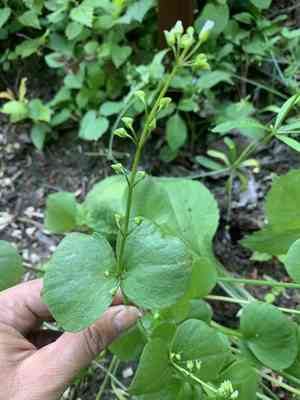
Washington springbeauty (Claytonia washingtoniana)
Also known as: Washington's spring beauty
The Washington springbeauty is a delicate wildflower indigenous to the Pacific Northwest of North America. It is characterized by its small, star-shaped flowers that range from white to pale pink, adorned with darker pink veins. Blooming in the cool, moist springs of montane and subalpine regions, this plant thrives in partial shade. Its succulent, linear leaves form a rosette at the base, helping it store energy and withstand the harsh mountain conditions. Washington springbeauty is commonly found in meadows, open woodlands, and along streams in Washington state.
In This Article
Attributes of Washington springbeauty
Lifespan
Perennial
Plant Type
Herb
Plant Height
5 to 20 cm
Spread
10 to 30 cm
Leaf Color
Green
Flower Size
About 1 to 2 cm
Flower Color
White to pink with prominent pink veins
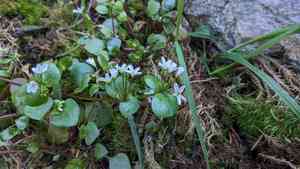
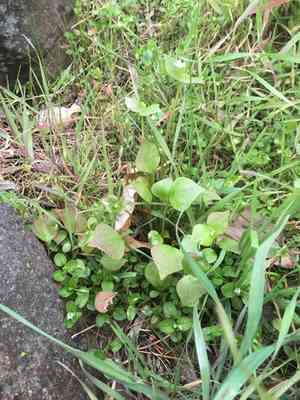
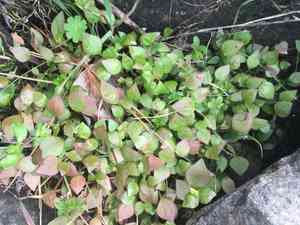
Images of Washington springbeauty

Quickly Identify Washington springbeauty
1
Claytonia washingtoniana can be identified by its succulent, oval to lance-shaped leaves and its distinctive white to pink flowers with five petals and delicate pink veins. The plant usually blooms in late spring to early summer.
Scientific Classification of Washington springbeauty
Phylum
Vascular plants
Class
Dicotyledons
Order
Caryophyllales
Family
Pussypaw
Genus
Spring beauty
Species
Washington springbeauty
Planting and Growing of Washington springbeauty
Care Difficulty
Easy
Watering Schedule
Every 2 days
Sunlight Requirements
Partial sun
Sunshine Duration
6-10 hours
Ideal Temperature
60-75℉
Soil Type
Potting Mix, Peat Mix
Soil pH
6.5-7.5
Fertilizer Type
Balanced
Pruning Season
Spring, Summer
Pruning Area
Branches, Leaves
Pruning Frequency
2 times a year
Repotting Season
Spring
Pot Type
Plastic, Ceramic
 How to Water Washington springbeauty?
For Claytonia washingtoniana, it's important to water enough to moisten the soil without making it soggy. Generally, use around 250 ml of water per session, ensuring the soil is thoroughly damp but excess water does not accumulate at the bottom of the pot.
What are the symptoms of an underwatered Washington springbeauty?
›
What should I do if my Washington springbeauty is not getting enough water?
›
What are the symptoms of an overwatered Washington springbeauty?
›
How to save an overwatered Washington springbeauty?
›
 What Are the Sunlight Requirements for Washington springbeauty?
Claytonia washingtoniana thrives in partial sun conditions, ideally with 4 to 6 hours of light daily. This range provides enough energy for growth while maintaining moisture levels and leaf integrity, essential for long-term plant health.
What is the optimal lighting for Claytonia washingtoniana?
›
How can I achieve the ideal light conditions?
›
What benefits does ideal lighting provide?
›
 What Is the Ideal Temperature Range for Washington springbeauty?
Claytonia washingtoniana thrives best within a temperature range of 60 to 75 degrees Fahrenheit. This range allows for optimal metabolic function and balances the plant's need for both warmth and moisture. Maintaining these temperatures promotes healthy growth patterns and flowering, as it mirrors the plant's natural conditions in temperate regions.
 What Soil is Best for Washington springbeauty?
Claytonia washingtoniana thrives in well-drained soil. Proper drainage ensures that the roots do not sit in water, which can cause root rot and other fungal diseases. Well-draining soil helps maintain optimal root health, crucial for the plant's vitality. Nutrient-rich soil is essential for the healthy growth of Claytonia washingtoniana. High organic matter content supports vigorous growth by providing essential nutrients and promoting soil microbial health beneficial to the plant. While good drainage is critical, the soil should also retain enough moisture to keep Claytonia washingtoniana hydrated. Sandy loam achieves this balance, allowing the plant to access water consistently without becoming overly saturated.
 How to Fertilize Washington springbeauty?
Claytonia washingtoniana requires a balanced approach to feeding. For liquid fertilizers, use a diluted solution at one-quarter strength to avoid root burn and promote healthy growth. This ensures the plant receives adequate nutrients without causing harm.
 How to Prune Washington springbeauty?
Begin by sterilizing your pruning tools to prevent the spread of diseases. Identify and remove any dead or damaged leaves at the base. Carefully trim back overgrown stems to encourage bushier growth and increase sunlight penetration. Always make cuts at a 45-degree angle to prevent water settling on the cut surface. Claytonia washingtoniana can sometimes become leggy, which reduces its aesthetic appeal. To address this, prune the longest stems just above a leaf node to encourage branching. Doing so will create a fuller appearance and enhance the plant's overall visual impact.
More About Pruning Techniques→
 How to Propagate Washington springbeauty plant?
1
Choose vigorous plants without any signs of disease or pest damage as starting material for propagation to ensure the best likelihood of success.
2
Prepare a well-draining mix. Incorporate peat moss, perlite, and a touch of sand to create a light environment for roots to develop.
3
Keep the soil consistently moist but not waterlogged, as too much moisture can promote rot, while too little can hinder root development.
 How to Repot Washington springbeauty plant?
1
The optimal time to repot Claytonia washingtoniana is when you notice it becoming root-bound, with roots peeking through the drainage holes. Also, if the plant's growth is sluggish despite good care, it might be time to provide fresh soil and more space.
2
Choosing the right pot is crucial for Claytonia washingtoniana. Opt for a pot that is 1-2 inches larger in diameter than the current one, ensuring it has adequate drainage holes. A terracotta pot can be beneficial as it allows excess moisture to evaporate, preventing root rot.
3
A well-draining soil mix is vital for Claytonia washingtoniana. Consider a mix with peat moss, perlite, and coarse sand. This type of soil helps retain the right amount of moisture while allowing excess to drain, preventing waterlogging and promoting healthy root growth.



