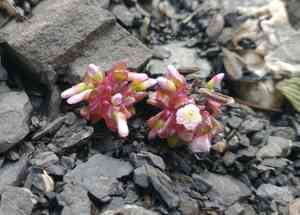
Brandegee's springbeauty (Claytonia saxosa)
Also known as: Saxifrage Spring Beauty
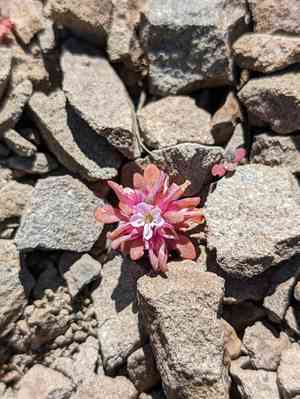
The wildflower you're referring to could be the Rock Jasmine (Androsace spp.), a hardy plant well-suited to rocky alpine environments. This resilient flower features fleshy, spoon-shaped leaves that grow in a compact rosette, perfect for water conservation in tough conditions. Come spring, it displays charming white to pink blossoms, providing a beautiful contrast to its rugged surroundings.
In This Article
Attributes of Brandegee's springbeauty
Lifespan
Perennial
Plant Type
Herb
Plant Height
Up to 15 centimeters
Spread
Approximately 10 centimeters
Leaf Color
Bright green
Flower Size
Around 1 to 2 centimeters
Flower Color
Pink or white with darker pink veins
Images of Brandegee's springbeauty
Quickly Identify Brandegee's springbeauty
1
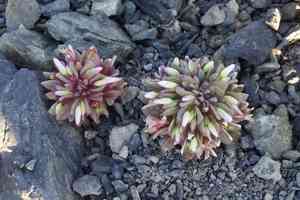
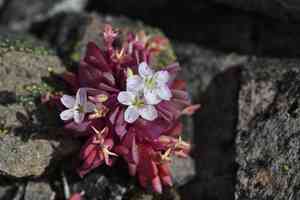
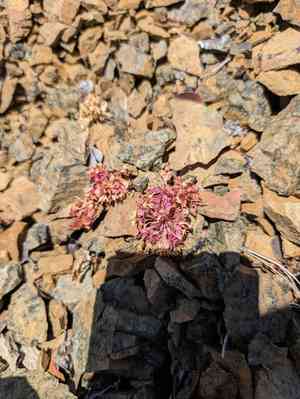
This plant can be identified by its small, succulent leaves and delicate, five-petaled pink or white flowers. The leaves are often clustered at the base, while the flowers grow on slender stems.
Scientific Classification of Brandegee's springbeauty
Phylum
Vascular plants
Class
Dicotyledons
Order
Caryophyllales
Family
Pussypaw
Genus
Spring beauty
Species
Brandegee's springbeauty
Planting and Growing of Brandegee's springbeauty
Care Difficulty
Easy
Watering Schedule
Every day
Sunlight Requirements
Partial sun
Sunshine Duration
4-8 hours
Ideal Temperature
60-75℉
Soil Type
Potting Mix, Peat Mix
Soil pH
6.5-7.5
Fertilizer Type
Balanced
Pruning Season
Spring, Summer
Pruning Area
Branches, Leaves
Pruning Frequency
2 times a year
Repotting Season
Spring
Pot Type
Terracotta, Plastic
 How to Water Brandegee's springbeauty?
Claytonia saxosa requires a balanced approach to watering due to its preference for rocky and well-drained habitats. It is best to aim for approximately 250 ml of water per session, ensuring the soil is just moist but not saturated. Overwatering can easily lead to root rot, so it’s crucial to let the topsoil dry out between waterings.
What are the symptoms of an underwatered Brandegee's springbeauty?
›
What should I do if my Brandegee's springbeauty is not getting enough water?
›
What are the symptoms of an overwatered Brandegee's springbeauty?
›
How to save an overwatered Brandegee's springbeauty?
›
 What Are the Sunlight Requirements for Brandegee's springbeauty?
Partial sun to full sun. Ideal lighting helps Claytonia saxosa maintain its vibrant color and promotes strong, healthy growth, enhancing its ability to flower robustly.
What is the optimal light intensity?
›
How can I ensure the optimal light conditions?
›
What are the benefits of providing ideal lighting?
›
 What Is the Ideal Temperature Range for Brandegee's springbeauty?
The ideal temperature range for Claytonia saxosa is between 60°F and 75°F. Maintaining this temperature helps support its growth, ensuring optimal metabolic activity and promoting flowering. Temperature stability in this range can prevent stress, allowing the plant to allocate resources efficiently for growth.
 What Soil is Best for Brandegee's springbeauty?
Claytonia saxosa thrives in soils that provide excellent drainage. Sandy soil and loam allow excess water to flow away, preventing root rot. Proper drainage ensures healthy root development and reduces the risk of fungal diseases. Claytonia saxosa prefers soils that have moderate fertility. These plants do not require overly rich soils, so a balanced nutrient supply, often found in loam, supports their growth without overwhelming them with nutrients. A soil pH ranging from 6.5 to 7.5 is ideal for Claytonia saxosa. This pH range ensures the availability of essential nutrients and fosters healthy plant growth while avoiding nutrient lockout issues.
 How to Fertilize Brandegee's springbeauty?
Claytonia saxosa requires a delicate balance when it comes to fertilizer amount. Use a diluted liquid fertilizer at one-quarter strength every other week. For slow-release, apply only a small amount, about half a teaspoon per plant, once in early spring.
 How to Prune Brandegee's springbeauty?
Prune your Claytonia saxosa in early Spring or Summer to give it the best chance to recover and thrive. Avoid autumn or winter pruning as it might stress the plant when it is less active. After pruning, ensure your plant receives adequate water and indirect sunlight to help it recover and stimulate new growth. Monitor the plant's health and adjust care as needed, especially if you notice any signs of stress or disease.
More About Pruning Techniques→
 How to Propagate Brandegee's springbeauty plant?
1
Collect seeds from mature plants in early spring. Ensure the seeds are fully dry before storing them in a cool, dry place. This step is crucial to ensure the viability of the seeds for propagation.
2
Prepare a well-draining soil mixture using equal parts of peat moss, sand, and potting soil. Proper soil ensures optimal drainage and provides nutrients necessary for initial seedling growth.
3
For division propagation, carefully lift the plant using a garden fork. Split the root clumps into smaller sections, ensuring each section has roots attached. This method helps in creating multiple plants from a single mature specimen.
 How to Repot Brandegee's springbeauty plant?
1
Repot Claytonia saxosa when you notice it's root-bound or the soil doesn't drain well anymore. Early signs include roots emerging from the drainage holes or water sitting on the soil surface. Spring, when growth is vigorous, is ideal.
2
Select a pot that’s slightly larger than the current one, with adequate drainage holes. A clay or terracotta pot helps to wick moisture away, preventing overwatering, while ensuring the plant has room to grow.
3
A well-draining, gritty soil mix fosters healthy roots for Claytonia saxosa. Combine cactus soil with perlite or coarse sand to prevent root rot and promote aeration. This supports robust plant development.



