
Sierra springbeauty (Claytonia nevadensis)
Also known as: Little Leaf Miner’s Lettuce, Nevada Spring Beauty
The Sierra springbeauty is an attractive wildflower that thrives in the alpine and subalpine zones of the Sierra Nevada mountains. This hardy plant features dainty pink to white flowers emerging from a base of succulent, spoon-shaped leaves. It prospers in moist, rocky areas and is notable for its early blooming period, often appearing just as the snow begins to melt, providing essential nectar for early-season pollinators.
In This Article
Attributes of Sierra springbeauty
Lifespan
Perennial
Plant Type
Herb
Plant Height
10-20 cm
Spread
N/A
Leaf Color
Green
Flower Size
0.5-1 cm
Flower Color
White to pinkish
Images of Sierra springbeauty
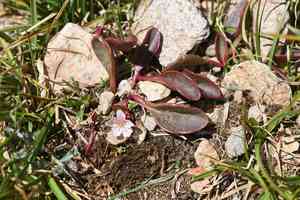
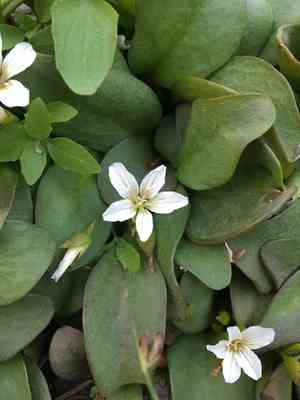
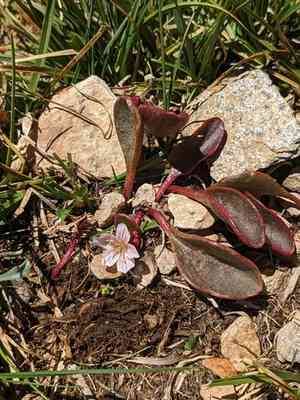
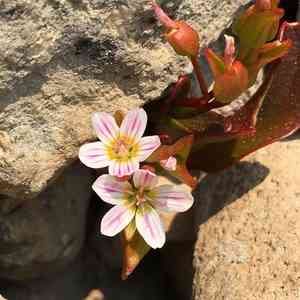
Quickly Identify Sierra springbeauty
1
Look for the small, oval, and succulent leaves that are clustered around the base of the plant. The flowers are white to pinkish, usually with five petals, and bloom in early spring.
Scientific Classification of Sierra springbeauty
Phylum
Vascular plants
Class
Dicotyledons
Order
Caryophyllales
Family
Pussypaw
Genus
Spring beauty
Species
Sierra springbeauty
Planting and Growing of Sierra springbeauty
Care Difficulty
Easy
Watering Schedule
Every 2 days
Sunlight Requirements
Partial sun
Sunshine Duration
4-8 hours
Ideal Temperature
60-70℉
Soil Type
Potting Mix, Peat Mix
Soil pH
6.5-7.5
Fertilizer Type
Balanced
Pruning Season
Spring, Summer
Pruning Area
Branches, Leaves
Pruning Frequency
2 times a year
Repotting Season
Spring
Pot Type
Terracotta, Plastic
 How to Water Sierra springbeauty?
The optimal watering amount for Claytonia nevadensis should be around 150 milliliters per session. This amount ensures that the soil is adequately moist but not overly saturated, allowing the roots to absorb water while also promoting proper soil aeration.
What are the symptoms of an underwatered Sierra springbeauty?
›
What should I do if my Sierra springbeauty is not getting enough water?
›
What are the symptoms of an overwatered Sierra springbeauty?
›
How to save an overwatered Sierra springbeauty?
›
 What Are the Sunlight Requirements for Sierra springbeauty?
Partial sun to full shade fosters growth by simulating spring undergrowth conditions. The balance avoids moisture stress and maintains cellular functions, promoting lush, resilient growth.
Is Claytonia nevadensis shade-tolerant?
›
What is the best way to provide ideal lighting conditions?
›
How does ideal lighting benefit Claytonia nevadensis?
›
 What Is the Ideal Temperature Range for Sierra springbeauty?
The optimal temperature range for growing Claytonia nevadensis is between 60°F and 70°F. This range provides the ideal conditions for photosynthesis and other metabolic processes crucial for healthy growth. Monitoring indoor temperatures or planting in shaded garden areas helps maintain this range consistently.
 What Soil is Best for Sierra springbeauty?
Claytonia nevadensis requires soil with excellent drainage to prevent root rot. Well-draining soil ensures roots receive sufficient oxygen, promoting healthy growth and preventing waterlogged conditions. The plant thrives in nutrient-rich soil that supports its development. Incorporating organic matter or compost enhances soil fertility, providing essential nutrients that foster vigorous growth and flowering. Moderate levels of organic matter help retain moisture while promoting aeration. This balance means the soil can hold enough water during dry spells yet drain excess during wetter periods, benefiting the plant's overall health.
 How to Fertilize Sierra springbeauty?
For Claytonia nevadensis, a light hand with fertilizers is preferred. A diluted solution of liquid fertilizer, approximately half the recommended strength, should suffice. For solid fertilizers, a light sprinkle around the base of the plant will ensure it receives the necessary nutrients without overwhelming its roots.
 How to Prune Sierra springbeauty?
Begin by removing any dead or damaged leaves to promote a healthy plant. Hold the leaf at the base, close to the stem, and use your shears to cut cleanly. Regularly trim excess growth to help maintain the natural shape and airflow of the plant. This encourages better light penetration and reduces the risk of fungal issues. Pinching or pruning back the main stems lightly can encourage branching and result in a bushier plant. Make the cuts just above a leaf node to stimulate growth.
More About Pruning Techniques→
 How to Propagate Sierra springbeauty plant?
1
Collect seeds from mature Claytonia nevadensis by allowing seed pods to dry on the plant, then breaking them open to extract seeds. Ensure seeds are fully mature to enhance germination success.
2
Mix equal parts of peat, perlite, and sand to create a well-draining soil mix. This supports seedling growth and prevents root rot, which can occur in heavier soils.
3
Spread seeds evenly on the surface of moistened soil in a seedling tray. Lightly press them into the soil but do not cover, as some light is required for germination.
 How to Repot Sierra springbeauty plant?
1
Repotting Claytonia nevadensis should be considered if you notice that the roots are peeping out of the drainage holes, indicating it's outgrowing its current pot. Another good time to repot is when the plant stops growing or seems stunted, meaning it might need more room or fresher soil to thrive. Ideally, do this in spring or summer.
2
Select a pot that offers good drainage and is just a size larger than the current one to provide room for root expansion without overburdening the plant. A pot that's too big can retain excess moisture, leading to root rot. Opt for ceramic or plastic pots that ensure appropriate temperature regulation for the delicate roots.
3
For Claytonia nevadensis, a well-draining potting mix is crucial. The soil should allow water to flow through easily, avoiding waterlogging, while retaining enough moisture to keep the roots hydrated. You can enhance the mixture with a bit of perlite or sand to improve aeration, supporting healthy root growth.



