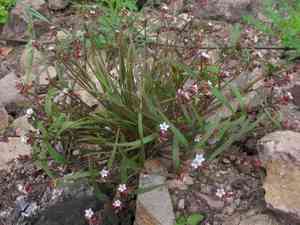
Serpentine spring-beauty (Claytonia exigua)
Also known as: Broadleaf Miner's Lettuce
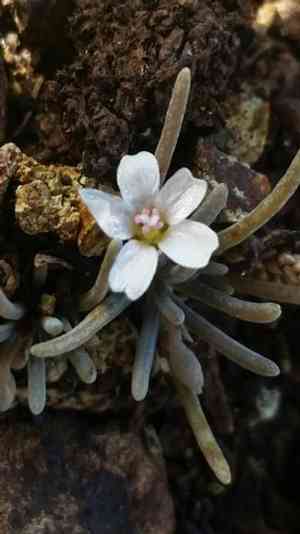
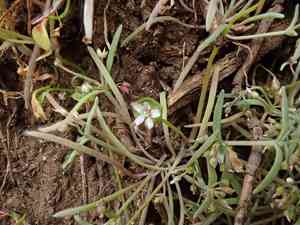
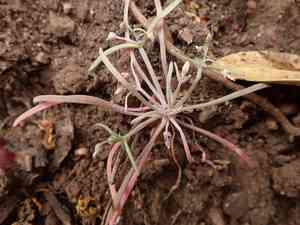
Claytonia exigua, also known as serpentine springbeauty, is a succulent annual herb. It generally forms a cluster of upright or slightly leaning stems, reaching heights of up to 15 cm. The leaves at the base are thick, narrow, and linear, resembling fingers, while the leaves higher up the stem tend to be more crescent or disc-shaped.
In This Article
Attributes of Serpentine spring-beauty
Lifespan
Annual
Plant Type
Herb
Plant Height
2-15 cm
Spread
10-20 cm
Leaf Color
Green
Flower Size
1-1.5 cm
Flower Color
White to pinkish
Images of Serpentine spring-beauty
Quickly Identify Serpentine spring-beauty
1
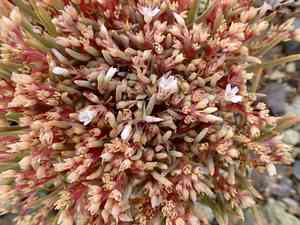
Claytonia exigua can be identified by its small, basal rosette of spatula-shaped leaves and delicate, white to pinkish flowers with five petals. The plant typically grows low to the ground and has a stem that may appear slightly reddish.
Scientific Classification of Serpentine spring-beauty
Phylum
Vascular plants
Class
Dicotyledons
Order
Caryophyllales
Family
Pussypaw
Genus
Spring beauty
Species
Serpentine spring-beauty
Planting and Growing of Serpentine spring-beauty
Care Difficulty
Easy
Watering Schedule
Every 2 days
Sunlight Requirements
Partial sun
Sunshine Duration
4-8 hours
Ideal Temperature
60-75℉
Soil Type
Potting Mix, Peat Mix
Soil pH
6.5-7.5
Fertilizer Type
Balanced
Pruning Season
Spring, Summer
Pruning Area
Branches, Leaves
Pruning Frequency
2 times a year
Repotting Season
Spring
Pot Type
Plastic, Ceramic
 How to Water Serpentine spring-beauty?
Claytonia exigua, also known as serpentine springbeauty, requires a gentle touch when it comes to watering. Aim for a delicate balance—water the plant until the top inch of soil is moist, but avoid leaving the soil soggy. The goal is to mimic its natural environment, where water is relatively scarce but consistent.
What are the symptoms of an underwatered Serpentine spring-beauty?
›
What should I do if my Serpentine spring-beauty is not getting enough water?
›
What are the symptoms of an overwatered Serpentine spring-beauty?
›
How to save an overwatered Serpentine spring-beauty?
›
 What Are the Sunlight Requirements for Serpentine spring-beauty?
Partial sun is ideal for Claytonia exigua. This range offers a balance that maximizes photosynthesis and growth potential while minimizing the risk of heat stress or dehydration.
What is the best location for Claytonia exigua?
›
How can you handle fluctuating light conditions?
›
What benefits arise from providing ideal light to Claytonia exigua?
›
 What Is the Ideal Temperature Range for Serpentine spring-beauty?
For optimal growth of Claytonia exigua, maintaining a temperature range between 60°F and 75°F is ideal. Within this range, the plant can thrive, maximizing both its growth and flowering potential. This temperature range allows for effective metabolic functions, photosynthesis, and nutrient uptake, which are crucial for the plant's overall health and vibrancy.
 What Soil is Best for Serpentine spring-beauty?
Claytonia exigua thrives in well-drained soil to prevent root rot. This quality ensures efficient water management, allowing roots access to necessary moisture without waterlogging, ultimately promoting healthy growth. The plant performs best in soils with moderate nutrient content. This balance allows for optimal growth without the risk of nutrient burn or deficiency, ensuring the plant receives proper nourishment for robust development. A pH range from 6.5 to 7.5 is ideal for Claytonia exigua as it enhances nutrient availability and uptake, facilitating healthier plant metabolism and overall vitality.
 How to Fertilize Serpentine spring-beauty?
Claytonia exigua thrives with minimal fertilization due to its natural adaptation to nutrient-poor soils. A low concentration, diluted to half-strength liquid fertilizer, is generally sufficient to maintain healthy growth without risking nutrient burn.
 How to Prune Serpentine spring-beauty?
Begin by identifying any dead or yellowing leaves. Snip these off at the base to encourage healthy new growth and improve the plant's aesthetic appeal. Trim back straggly stems to maintain a neat shape. This encourages denser growth and keeps the plant looking lush and tidy. Focus on maintaining the plant's natural form.
More About Pruning Techniques→
 How to Propagate Serpentine spring-beauty plant?
1
Start by filling the seed tray with potting soil. Sow the seeds of Claytonia exigua on the surface of the soil, ensuring they are evenly distributed. Lightly cover the seeds with a thin layer of soil, taking care not to bury them too deep.
2
Gently water the soil using a spray bottle to ensure even moisture. Be careful not to wash away the seeds. The soil should be kept consistently moist but not waterlogged to encourage germination.
3
Place the seed tray in a location with adequate sunlight or under a grow light for best results. Maintain a warm temperature conducive to seed germination, ideally around 15-20°C (59-68°F).
 How to Repot Serpentine spring-beauty plant?
1
Claytonia exigua signals the need for repotting when its roots begin to outgrow their current container, often poking through drainage holes. Spring is the ideal season as the plant is commencing its active growth phase, which helps it recover quickly from any root disturbance.
2
Select a pot that's just one size larger than the current one, preferably made of material like terracotta, which allows for better moisture evaporation. This helps prevent root rot and supports the plant's preference for drier soil conditions.
3
Opt for a well-draining sandy soil mix to mimic its natural habitat. This type of soil prevents waterlogging, ensuring the roots remain healthy and the plant continues to thrive without suffering from root rot.


