
Pinkfairies (Clarkia pulchella)
Also known as: Ragged robin, Large-flower clarkia
The plant commonly known as pinkfairies (Clarkia pulchella) is also referred to as deerhorn clarkia and ragged robin. It is native to the Pacific Northwest region of North America. Meriwether Lewis of the Lewis and Clark expedition was the first non-Native American to encounter this species. Despite Lewis being the first to discover the plant, the genus name "Clarkia" actually honors his fellow explorer, William Clark.
In This Article
Attributes of Pinkfairies
Lifespan
Annual, Biennial, Perennial
Plant Type
Herb
Plant Height
15 cm to 46 cm
Spread
30 cm
Leaf Color
Green
Flower Size
4 cm
Flower Color
White Pink Purple Red
Images of Pinkfairies
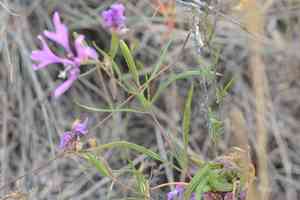
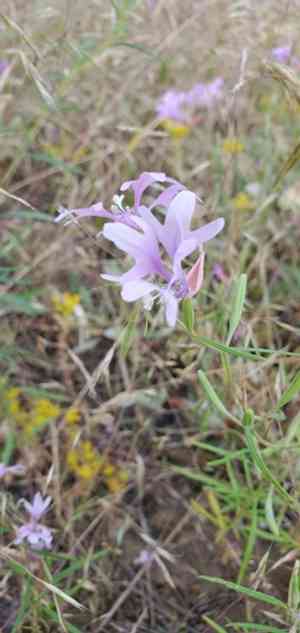
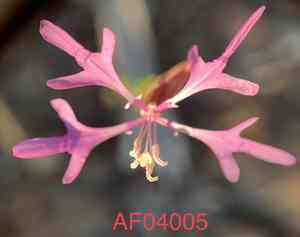
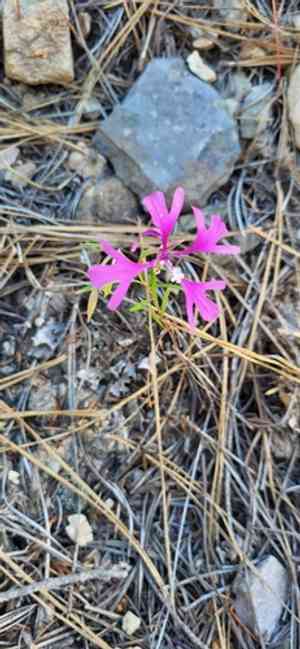
Quickly Identify Pinkfairies
1
Look for deeply lobed, almost antler-like flowers and narrow, lance-shaped leaves. The flowers are typically pink or lavender with a distinctive three-part structure.
Scientific Classification of Pinkfairies
Phylum
Vascular plants
Class
Dicotyledons
Order
Myrtales
Family
Evening primrose
Genus
Clarkia
Species
Pinkfairies
Planting and Growing of Pinkfairies
Care Difficulty
Easy
Watering Schedule
Every 4 days
Sunlight Requirements
Full sun
Sunshine Duration
4-8 hours
Ideal Temperature
60-75℉
Soil Type
Potting Mix, Peat Mix
Soil pH
6.5-7.5
Fertilizer Type
Balanced
Pruning Season
Spring, Summer
Pruning Area
Branches, Leaves
Pruning Frequency
2 times a year
Repotting Season
Spring
Pot Type
Plastic, Ceramic
 How to Water Pinkfairies?
Clarkia pulchella prefers a moderate soak that ensures the soil is moist but not waterlogged. Ideal watering involves providing about 150ml of water per session. Make sure the top inch of soil dries out between waterings, sitting just right on the balance of providing hydration without drowning the roots.
What are the symptoms of an underwatered Pinkfairies?
›
What should I do if my Pinkfairies is not getting enough water?
›
What are the symptoms of an overwatered Pinkfairies?
›
How to save an overwatered Pinkfairies?
›
 What Are the Sunlight Requirements for Pinkfairies?
Full to partial sun is ideal. Adequate light exposure ensures healthy growth and vibrant blooms, crucial for the plant’s overall health and aesthetic appeal.
More About Sunlight Requirements Techniques→
What is the best lighting condition for Clarkia pulchella?
›
How do I ensure my Clarkia pulchella gets optimal light?
›
What are the benefits of optimal lighting for Clarkia pulchella?
›
 What Is the Ideal Temperature Range for Pinkfairies?
The ideal temperature range for Clarkia pulchella is between 60°F to 75°F. This range provides optimal conditions for growth and flowering. Maintaining temperatures within this range helps the plant to thrive, as it closely mimics the native habitat conditions. Regular monitoring of temperatures can ensure that these conditions are consistently met and the plant's growth potential is maximized.
 What Soil is Best for Pinkfairies?
Clarkia pulchella thrives in well-draining soil, preventing water from accumulating around the roots. This condition diminishes the risk of root rot and fosters healthy root development essential for lush blooms. While not overly demanding, this plant benefits from soil enriched with organic matter, supplying vital nutrients that support vigorous flowering and robust plant structure. The ideal soil retains enough moisture to support the plant during dry spells but drains excess water quickly, reducing the threat of diseases caused by soggy conditions.
 How to Fertilize Pinkfairies?
Clarkia pulchella benefits from a modest amount of fertilizer. Use half the recommended strength of a general-purpose liquid fertilizer for flowering plants. Dilute it with water, applying about one tablespoon per gallon. Avoid high-nitrogen fertilizers as they may stimulate unwanted foliage growth rather than flowers.
 How to Prune Pinkfairies?
In early spring, before new growth appears, cut back the previous year's growth to just above ground level. This encourages robust new shoots and maintains the plant's dense and attractive form. During mid-summer, give your Clarkia pulchella a light trim if it becomes too leggy. Trim selectively to maintain the shape and encourage the plant to bush out more, which will also enhance flowering.
More About Pruning Techniques→
 How to Propagate Pinkfairies plant?
1
Start by filling your seed tray with a well-draining seed-starting mix. Lightly moisten the soil to provide an ideal environment for the seeds, ensuring even distribution and aeration for better seed sprouting.
2
Scatter the Clarkia pulchella seeds evenly over the prepared seed tray, covering them with a very thin layer of soil. Press down gently to ensure good seed-to-soil contact. Avoid burying them too deeply for optimal emergence.
3
Use the fine mist sprayer to water the seeds lightly and regularly. Keep the soil consistently moist but not waterlogged. Place the tray in a location that receives indirect sunlight for balanced warmth and growth.
 How to Repot Pinkfairies plant?
1
Repot Clarkia pulchella when you notice roots emerging from the drainage holes or when the plant's growth slows despite proper care. This indicates the plant is becoming root-bound and needs more space. Spring or early autumn are ideal times since the plant is not in its peak growth phase, and conditions are more temperate, reducing stress.
2
Select a pot with adequate drainage holes to prevent waterlogging, which is essential for Clarkia pulchella's health. The new pot should be one size larger than the current one, providing enough space for root expansion without overwhelming the plant, ensuring it does not retain excessive moisture.
3
Opt for a well-draining, nutrient-rich potting mix, ideally one containing equal parts of peat, perlite, and vermiculite. This composition ensures good aeration and moisture retention, which are essential for maintaining Clarkia pulchella's health and encouraging robust growth.



