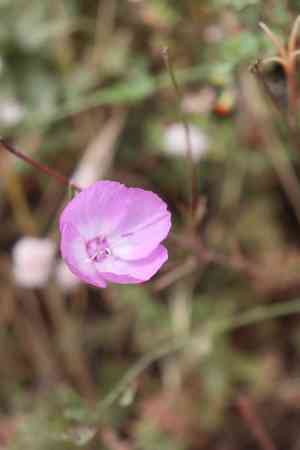
Lewis' clarkia (Clarkia lewisii)
Also known as: Red Ribbons Clarkia, Lewis' Clarkia
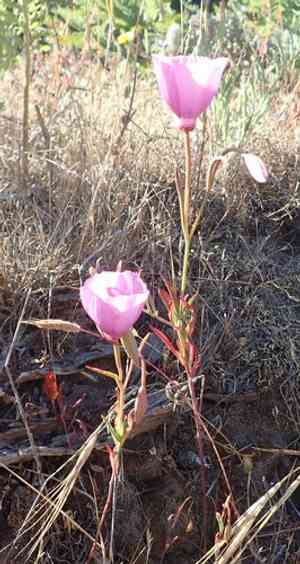
Lewis' clarkia (Clarkia lewisii) is distinguished by its striking, cup-shaped flowers that display a mix of pink and lavender shades. The blossoms typically have four petals, often marked with red near the base, which serve to attract pollinators effectively. Adapted to open, sunny environments, this wildflower features slender, upright stems and narrow, lanceolate leaves that help minimize water loss. Blooming in spring and summer, Lewis' clarkia adds vibrant color to its natural landscapes, making it both resilient and visually appealing.
In This Article
Attributes of Lewis' clarkia
Lifespan
Annual
Plant Type
Herb
Plant Height
Approximately 12 to 24 inches (30 to 60 cm)
Spread
Approximately 6 to 12 inches (15 to 30 cm)
Leaf Color
Bright to dark green
Flower Size
About 1 inch (2.5 cm)
Flower Color
Bright pink to red
Images of Lewis' clarkia
Quickly Identify Lewis' clarkia
1
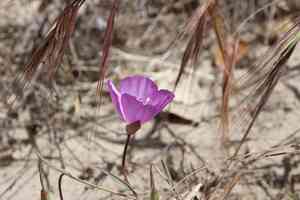
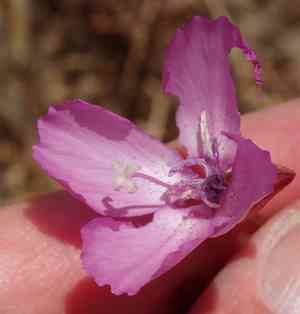
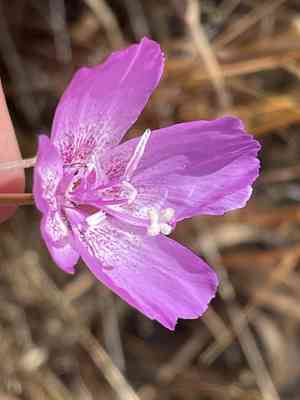
To identify Clarkia lewisii, look for its slender stems and lanceolate leaves. The flowers are typically bright pink to red, with four petals that are deeply notched or fringed, giving them a ribbon-like appearance.
Scientific Classification of Lewis' clarkia
Phylum
Vascular plants
Class
Dicotyledons
Order
Myrtales
Family
Evening primrose
Genus
Clarkia
Species
Lewis' clarkia
Planting and Growing of Lewis' clarkia
Care Difficulty
Easy
Watering Schedule
Every 2 days
Sunlight Requirements
Full sun
Sunshine Duration
4-8 hours
Ideal Temperature
60-75℉
Soil Type
Potting Mix, Peat Mix
Soil pH
6.5-7.5
Fertilizer Type
Balanced
Pruning Season
Spring, Summer
Pruning Area
Branches, Leaves
Pruning Frequency
Once a year
Repotting Season
Spring
Pot Type
Plastic, Ceramic
 How to Water Lewis' clarkia?
When watering Clarkia lewisii, ensure that you provide about 250 milliliters of water per session. It is crucial to let the soil become moderately dry between waterings to prevent root rot. The goal is to maintain moisture at the root level without waterlogging the soil.
What are the symptoms of an underwatered Lewis' clarkia?
›
What should I do if my Lewis' clarkia is not getting enough water?
›
What are the symptoms of an overwatered Lewis' clarkia?
›
How to save an overwatered Lewis' clarkia?
›
 What Are the Sunlight Requirements for Lewis' clarkia?
Clarkia lewisii flourishes in full sun or partial sun, benefiting from 6-8 hours of direct sunlight daily. Ideal light conditions encourage vibrant flowering and robust growth, enhancing the plant's aesthetic appeal and overall health.
Question 1: Ideal Sun Intensity?
›
Question 2: Best Positioning for Optimal Growth?
›
Question 3: Benefits of Proper Light Exposure?
›
 What Is the Ideal Temperature Range for Lewis' clarkia?
Clarkia lewisii thrives best within an ideal temperature range of 60°F to 75°F. This span provides the perfect environment for optimal growth and ensures that the plant's metabolic rates are neither too slow nor excessively high. In such conditions, the plant can photosynthesize efficiently, leading to healthy foliage and vibrant blooms.
 What Soil is Best for Lewis' clarkia?
Clarkia lewisii thrives in well-drained soil, which prevents waterlogging that can lead to root rot. Ensuring good drainage allows roots to access oxygen effectively, fostering healthy plant growth. This species benefits from a soil rich in organic matter, which supplies essential nutrients and retains moisture. A nutrient-rich environment supports vigorous blooms and robust growth. While Clarkia lewisii prefers well-drained conditions, it also requires moderate moisture retention to sustain growth during dry spells. Balanced moisture levels enhance the plant’s resilience against drought.
 How to Fertilize Lewis' clarkia?
For Clarkia lewisii, use a diluted liquid fertilizer at half the recommended strength for regular houseplants. Over-fertilizing can harm the plant, so always err on the side of caution. When using slow-release granular fertilizers, apply about one tablespoon per plant, mixing it into the top layer of soil.
 How to Prune Lewis' clarkia?
Start by identifying any dead, damaged, or crossing stems. These should be cut right back to the base to promote healthy growth and prevent disease spread. To encourage a bushier growth pattern, trim one-third of the newer growth. This will prompt the plant to produce more side shoots, leading to a fuller appearance and more flowers. Trim back any overly long stems that disturb the plant's natural shape. This will not only keep the plant tidy but also ensure sunlight penetrates deeper into the plant, benefiting overall health.
More About Pruning Techniques→
 How to Propagate Lewis' clarkia plant?
1
Begin by filling seed trays with a well-draining potting mix. Ensure the trays have adequate drainage holes to prevent waterlogging, as excess moisture can lead to seed rot.
2
Scatter seeds evenly over the surface of the potting mix and lightly cover them with a thin layer of sand or additional potting mix. Avoid burying the seeds too deeply, as they require light for germination.
3
Gently water the seeded trays using a fine mist to avoid displacing the seeds. Maintain consistent moisture levels, keeping the soil slightly damp but not soaked to favor seedling emergence.
 How to Repot Lewis' clarkia plant?
1
Clarkia lewisii shows signs of needing repotting when its roots start to emerge from the drainage holes or if the plant's growth becomes stunted. Additionally, if the soil's surface appears worn out or water isn't absorbing properly, it's time to consider repotting. Spring and autumn are ideal seasons as the mild temperatures minimize transplant shock.
2
Select a pot that is 1-2 inches larger in diameter than the current one to accommodate new growth. Make sure the pot has sufficient drainage holes to prevent waterlogging, which can lead to root rot. A slightly deeper pot offers room for roots to expand, promoting healthier growth.
3
Opt for a well-draining sandy mix to keep roots aerated and healthy. Such soil mimics Clarkia lewisii's natural habitat and prevents water retention, reducing the risk of root diseases. Add some organic matter to boost nutrient content, ensuring the plant has everything it needs for robust growth.



